
Cleaning, Sealing & Restoration Specialists

Stone Grinding Northern Suburbs - Sydney
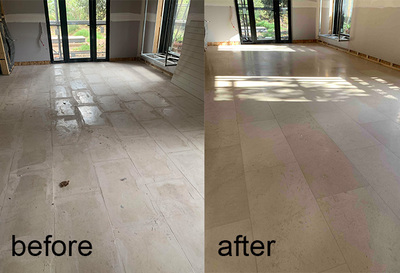
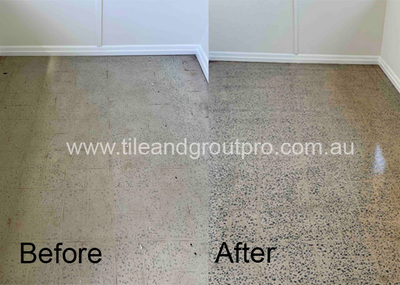
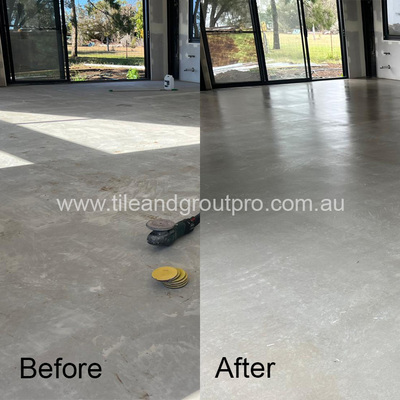
When stone is badly scratched, uneven, heavily etched, worn through the traffic lanes or simply too far gone for a light refinish, professional grinding is the service that makes real transformation possible. At Tile and Grout Pro Northern Suburbs, we do not guess, rush or hide defects under temporary coatings. We correct the surface properly, remove the damaged top layer in a controlled way and rebuild the finish so your floors, walls, stairs and stone features look cleaner, flatter, sharper and far more valuable.
That is why homeowners, builders, strata managers, architects and commercial clients call our team when they want a company that genuinely knows stone. We have years and years of hands-on experience, a history of thousands of successful jobs and a large experienced team that can assist with projects of every size—from a single damaged room right through to larger residential, retail, hospitality and commercial areas. We cover all Sydney suburbs and all Northern Suburbs area.
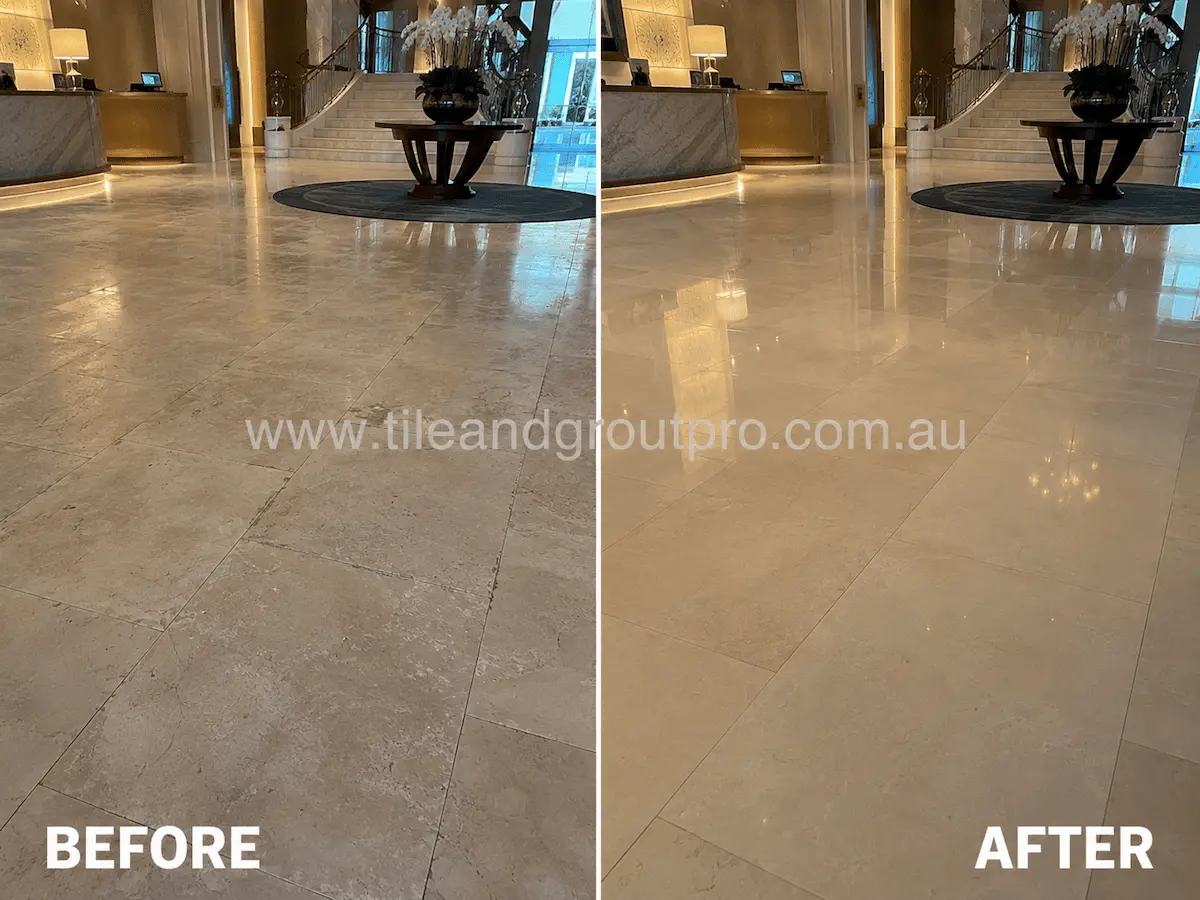
Our stone experts assess the material, the location, the type of damage, the level of correction required, the slip-resistance expectations and the finish you actually want to live with. Then we recommend the most suitable grinding, honing, polishing, repair and sealing sequence for the surface—not the quickest shortcut and not a one-size-fits-all method.
Want honest expert advice before the damage gets worse? Call 1300 880 703 now or use our online enquiry form for stone grinding in Northern Suburbs. We will help you understand the problem, the likely cause and the best next step for your surface.
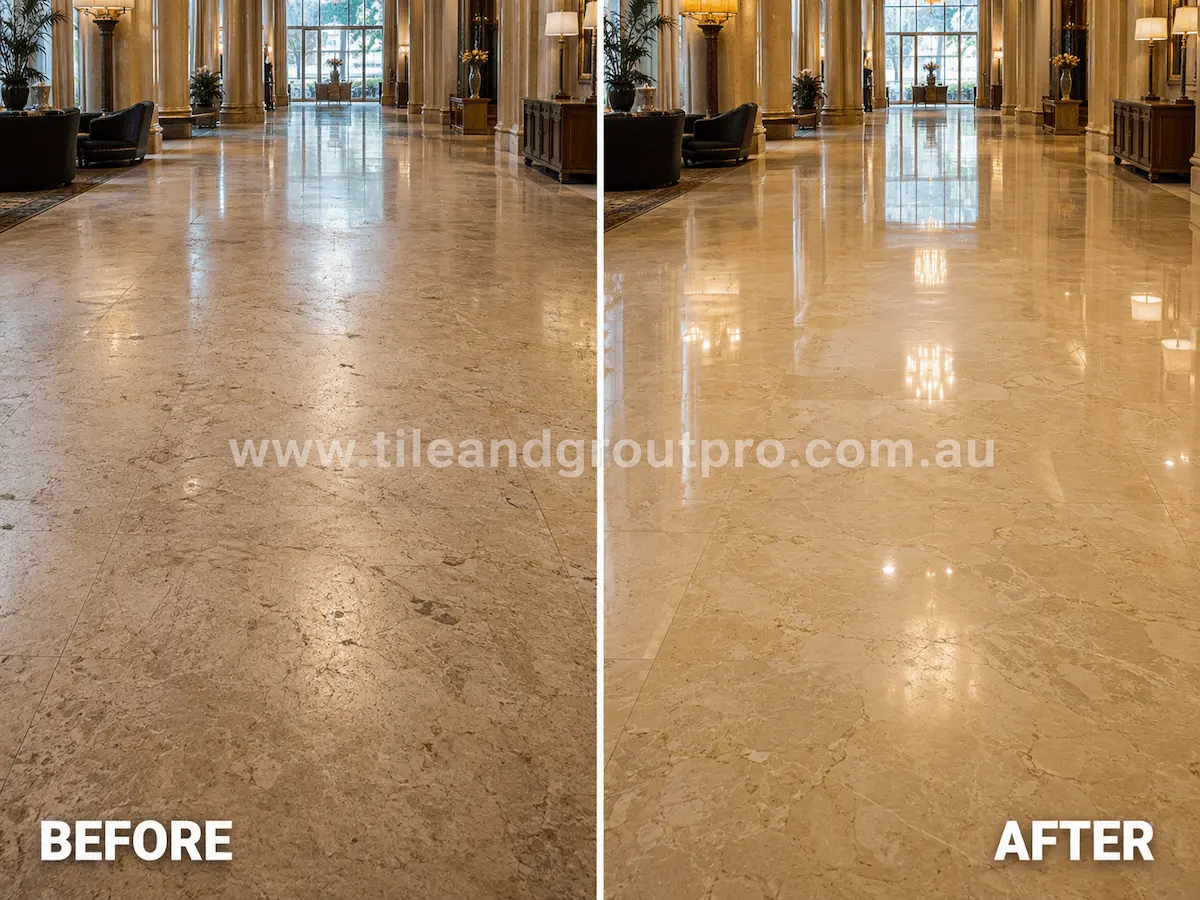
Why professional stone grinding is such a high-value service in Northern Suburbs
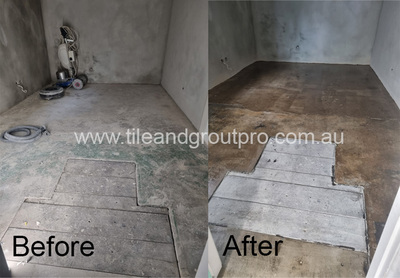
Grinding is the foundation service for badly worn stone because it deals with the actual condition of the surface instead of just improving the appearance for a short time. It can remove lippage between tiles, reduce or eliminate deeper scratches, take out heavy etching, cut through old build-up, reduce staining contamination at the face, flatten worn traffic paths and prepare the stone for a refined honed, satin or polished finish. When done correctly, stone grinding can make an old, tired or damaged floor look dramatically more premium without the disruption and cost of replacement.
For many clients, that means a smarter investment, better visual impact, easier maintenance and a finish that finally suits the way the space is used. For some surfaces the goal is a flatter low-sheen finish. For others it is maximum clarity and reflection. The key is knowing how far to cut, how far to refine and when to stop. That is where experience matters most.
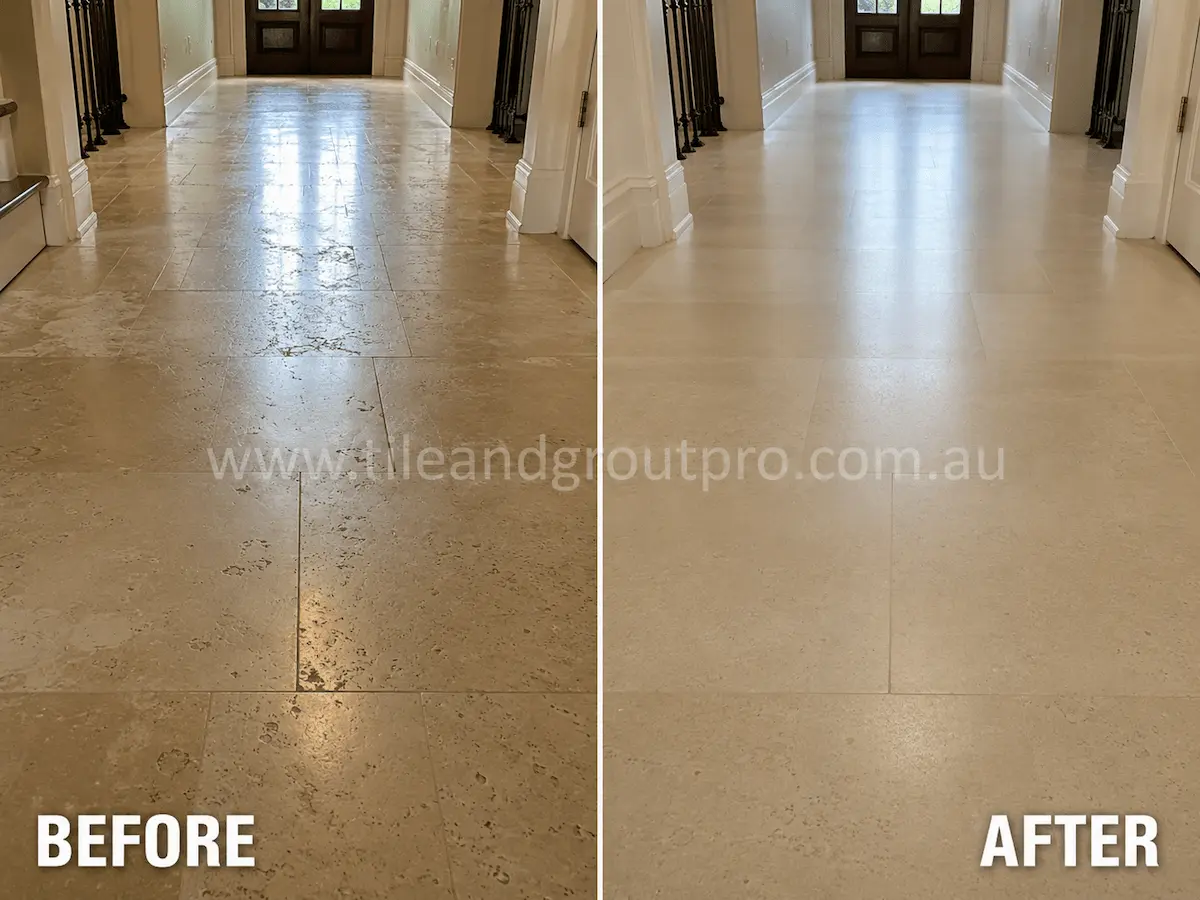
Common problems we solve with stone grinding
Our stone grinding services in Northern Suburbs are designed for surfaces with real defects—not just light cosmetic dullness. We regularly correct:
- Lippage and uneven tiles caused by installation height variation, movement or patch repairs.
- Deep scratches and gouges from furniture dragging, grit abrasion, poor maintenance and high traffic.
- Heavy etching and chemical damage from acidic products, bathroom chemicals, kitchen spills and incorrect cleaners.
- Worn paths and loss of finish in entryways, kitchens, hallways, foyers and commercial walkways.
- Surface contamination and old coating build-up that leaves the stone patchy, sticky, cloudy or impossible to maintain properly.
- Embedded staining, discolouration and dullness where light treatments have already failed.
- Poor previous workmanship that left swirl marks, inconsistent reflection, over-polished patches or obvious transitions.
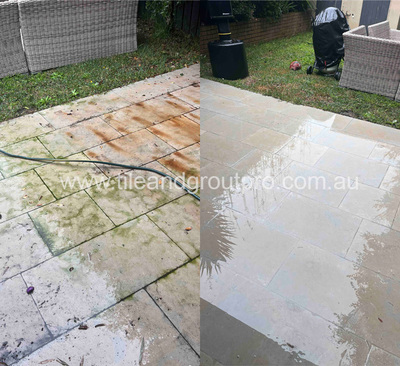
- Water-related and outdoor wear issues where weather, salts, dirt, moss and surface breakdown have affected appearance and performance.
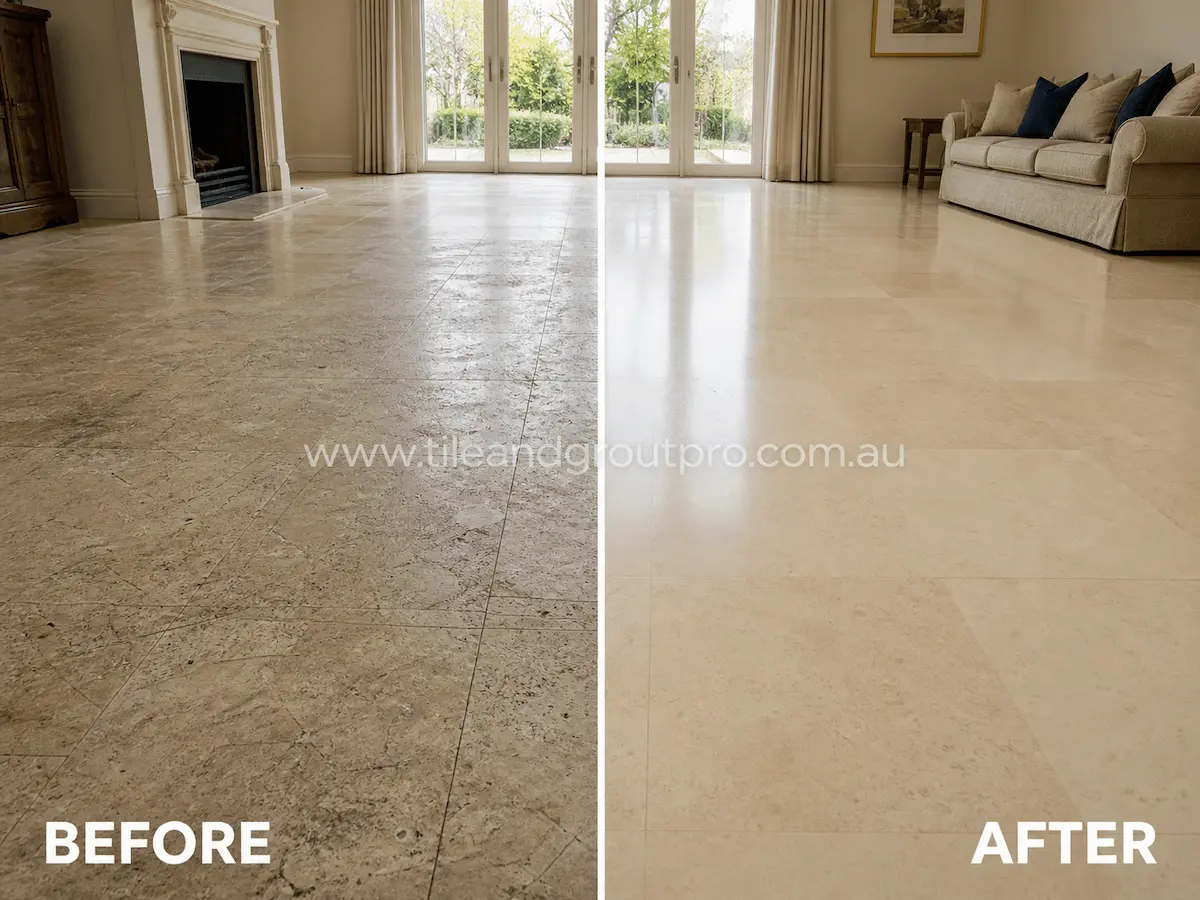
Different causes, different risks, different solutions
One of the biggest mistakes in this industry is treating every dull or damaged stone floor the same way. A floor with acid etching does not behave like a floor with lippage. A surface with trapped moisture does not behave like a surface with traffic wear. A heavily coated stone does not respond like a clean natural finish. The visible symptom may look similar, but the correct treatment path can be completely different.
We assess causes such as poor installation, weak bedding, movement, grit abrasion, acidic attack, wrong cleaners, topical coating failure, sealer failure, subfloor irregularity, water ingress, salt exposure, neglected maintenance, grout deterioration, outdoor weathering and previous poor repairs. That diagnosis stage helps us protect the stone, avoid unnecessary removal and recommend the most suitable process for the actual cause—not just the visible symptom.
Stone grinding levels explained clearly for clients in Northern Suburbs
In stone restoration, grinding is the corrective cutting stage. It is usually described in practical terms such as a light grind, corrective grind, flattening grind, lippage-removal grind or full mechanical regrind, and it is carried out with progressively coarser-to-finer diamond abrasives. On many projects, the early grinding stages are referred to as coarse grinding or metal-bond diamond grinding because they are the stages that actually cut the stone, flatten the tile edges and remove the deeper defects.
Clients often search for terms like diamond grinding, lippage removal, floor flattening, scratch removal, etch removal, stone levelling and full regrind. Those are the right kinds of search terms because they describe what the service is actually doing. The exact grit sequence varies by stone, but heavy correction commonly starts in the coarse grinding range and then moves into refinement so the surface can later be honed or polished properly.
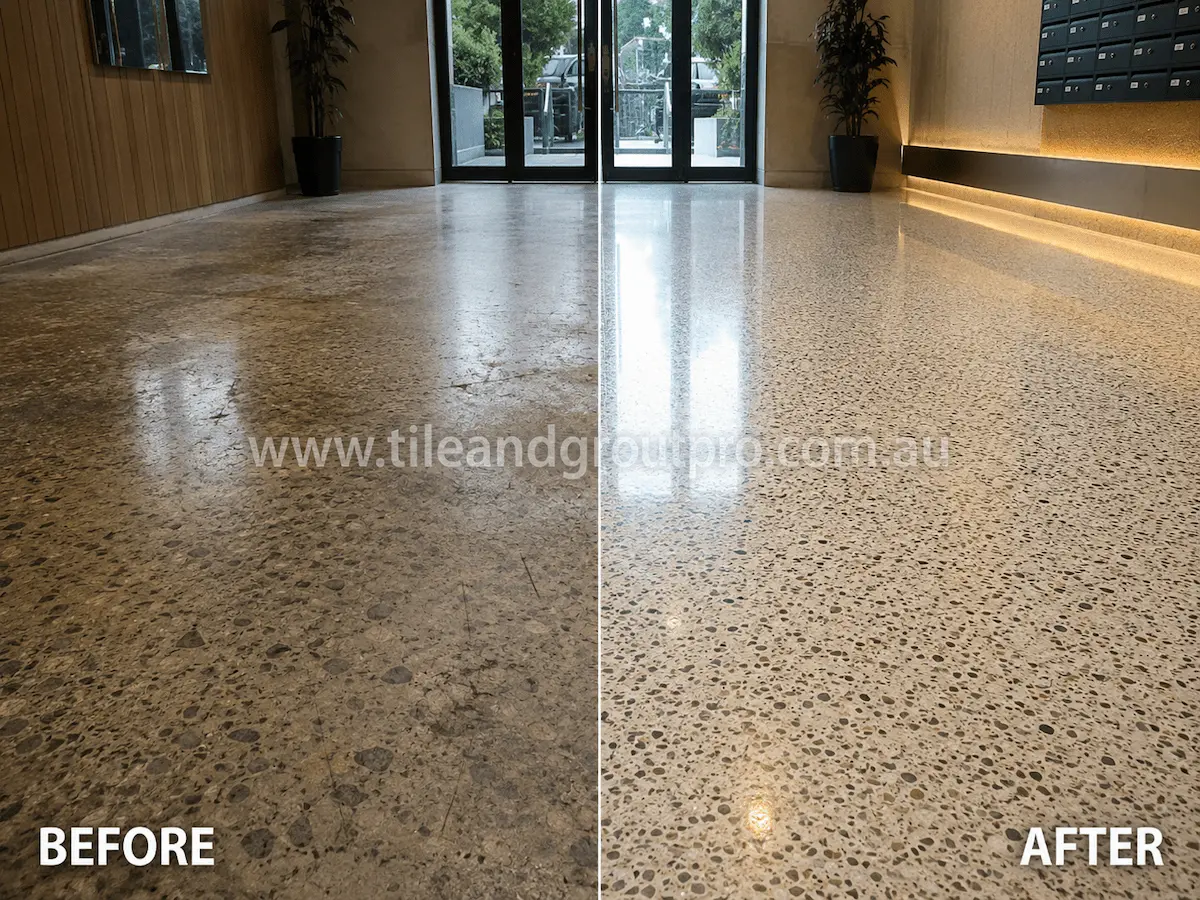
Light grind / spot grind
This is the lightest form of grinding and is used for localised defects rather than full-floor flattening. It is suitable for isolated scratches, minor lippage, patch blending after a repair, isolated acid etching and small worn areas where the stone does not need a full mechanical regrind.
Best suited to: selected internal floors, repaired sections, landings, hallways, localised traffic marks, some stair treads and small damaged areas where the installation is stable.
Industry language you will hear: spot grinding, localised diamond grinding, blend grinding or light corrective grinding.
Typical next stage: honing, polish restoration and sealing.
Corrective grind
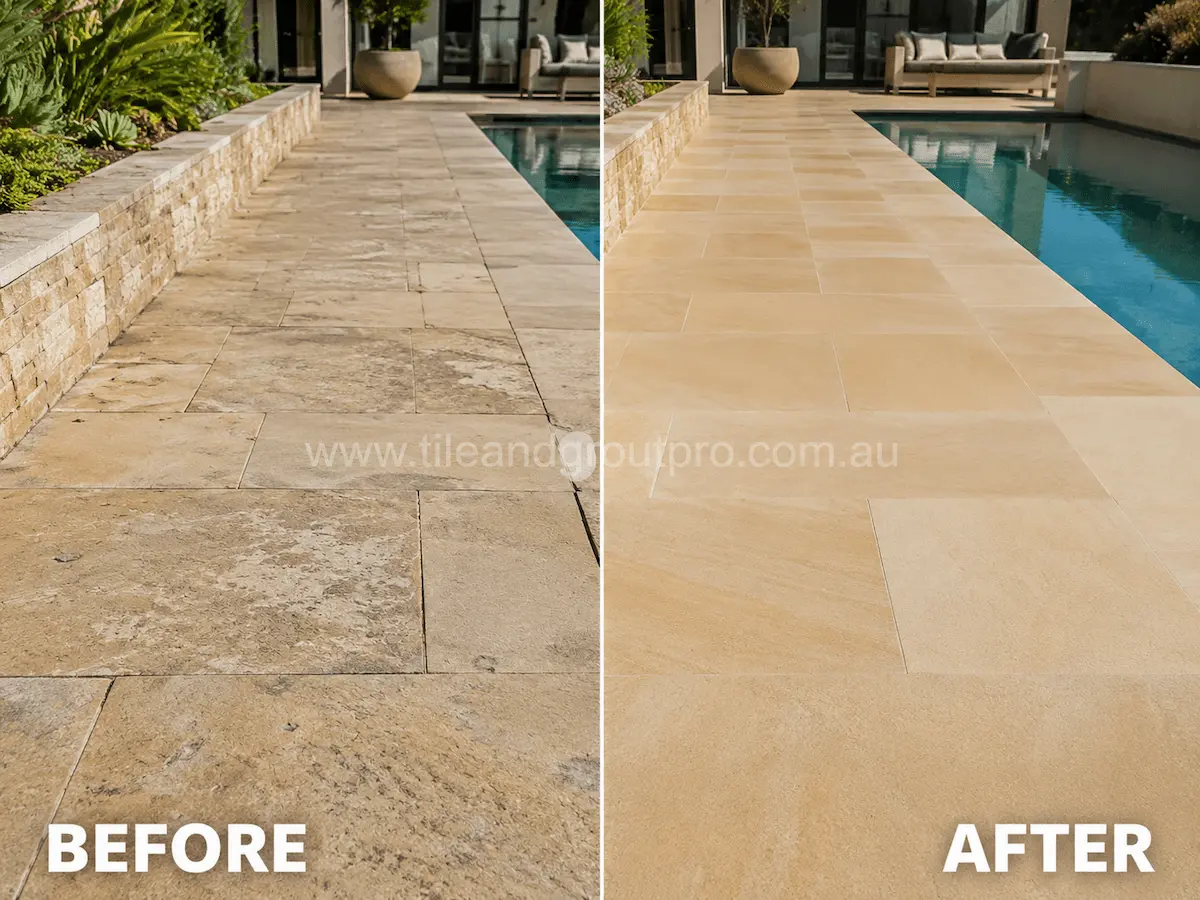
This is one of the most common real-world service levels. It is used where the floor has moderate scratches, repeated acid etching, noticeable wear paths, moderate lippage, coating residue or inconsistent reflection. A corrective grind removes more damage than a simple refinish and creates a flatter, more uniform base for a true honed finish or polished finish.
Best suited to: living areas, kitchens, foyers, apartment entries, commercial walkways, older bathroom floors with stable stone, and interiors where the client wants the surface reset properly instead of cosmetically improved.
Industry language you will hear: corrective diamond grinding, scratch removal grinding, etch removal grinding or medium-cut grinding.
Typical next stage: resin-bond honing, polish refinement, grout joint repair where needed and penetrating sealer.
Flattening grind / lippage-removal grind
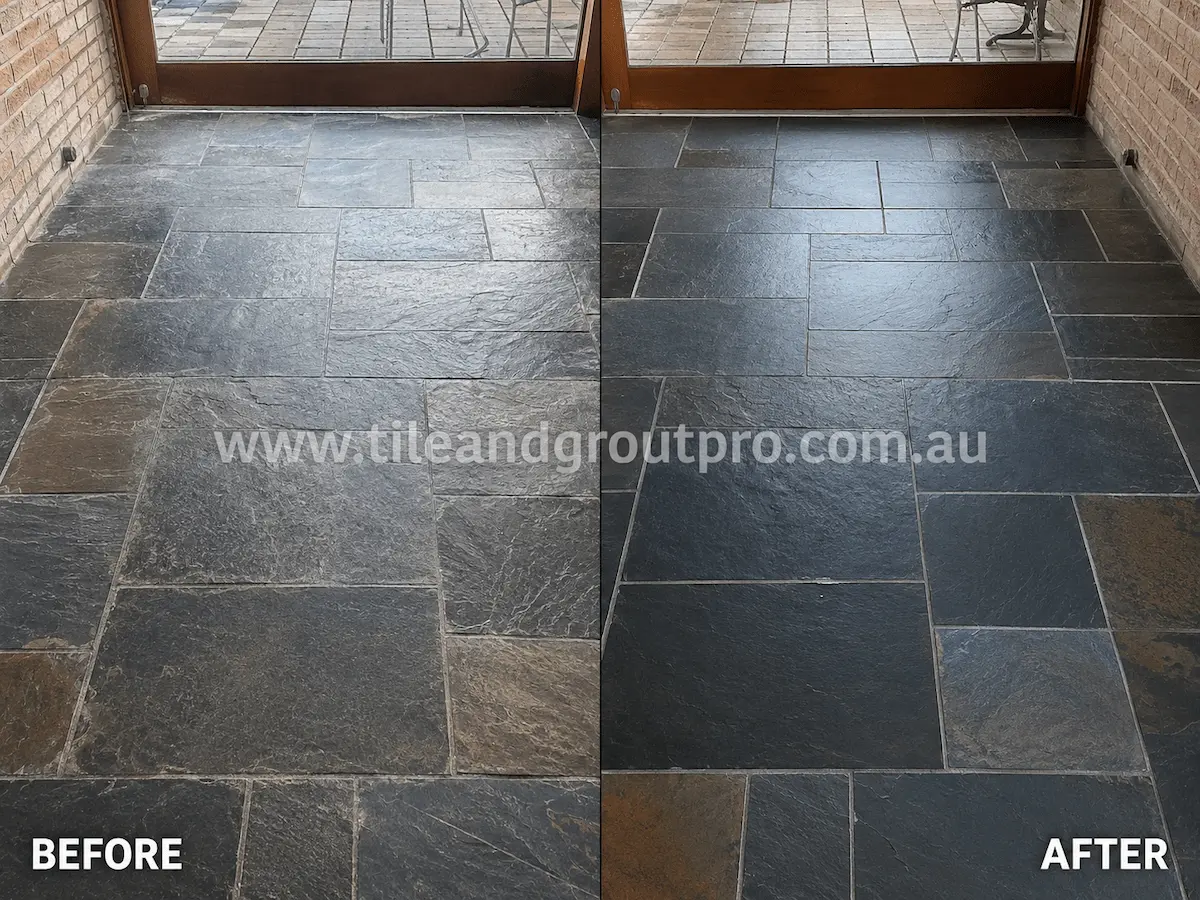
This level is selected when the problem is not just dullness but tile height variation, stronger lippage, deeper gouges, broad traffic wear, failed previous restoration work or a visibly uneven tile plane. The goal is to flatten the installation more decisively so the finish can be rebuilt evenly across the area.
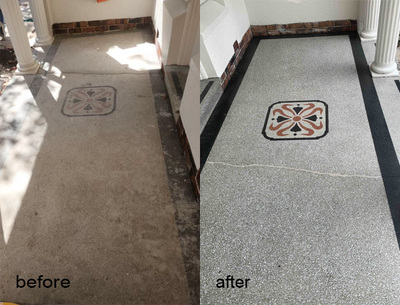
Best suited to: heavily worn residential floors, hotel and retail entries, commercial lobbies, older stone floors with obvious lippage, and selected terrazzo or concrete surfaces requiring real plane correction.
Industry language you will hear: flattening cut, lippage removal, floor levelling, plane correction or heavy corrective grinding.
Typical next stage: progressive honing through finer diamonds, then either a satin hone or a polished finish depending on the slip-resistance needs and the area.
Full mechanical regrind / heavy restoration grind
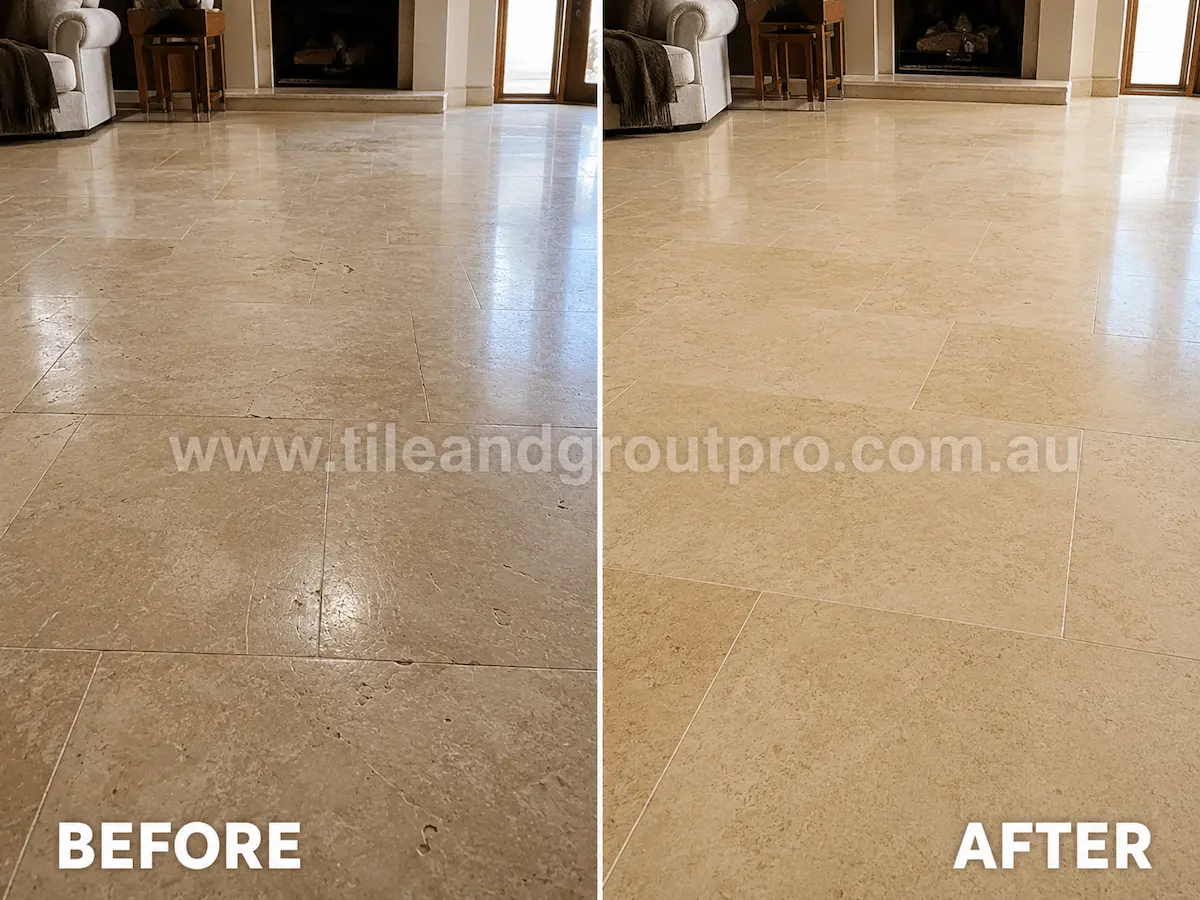
This is the most aggressive end of the grinding spectrum and is reserved for surfaces with serious height variation, widespread lippage, deep embedded damage, severe coating build-up, obvious waviness or long-standing defects that lighter methods cannot remove. It is sometimes called a full regrind or full mechanical restoration cut because it resets the face of the floor much more comprehensively.
Best suited to: thicker and stable floor installations, broad stone pavements, selected concrete and terrazzo floors, and larger areas where major flattening is the only way to get a professional result.
Not usually suited to: thin wall cladding, unstable stone, loose or hollow tiles, fragile nosings, very thin stone and naturally textured outdoor stone intended to remain textured.
Typical next stage: full honing sequence, grout joint correction, filler replacement where required, polish build if suitable, and an impregnating or penetrating sealer.
Which grinding level suits which area?
The correct grinding level is chosen by the stone type, tile thickness, fixing condition, moisture risk, traffic load and finish requirement. Internal dry floors usually allow the widest choice because the final finish can later be taken to a honed finish, satin finish or polished finish. Wet areas such as bathrooms, ensuites and laundries need more caution because the finish still has to make sense for the environment. Pool surrounds, alfresco zones and external paving need the most careful judgement because underfoot performance, weathering, salts, dirt and drainage all matter.
Walls and other vertical surfaces can sometimes be mechanically corrected, but they are not treated like floors. Edge support, stone thickness, access and fixing method matter much more. Stairs need particular care because tread consistency, arrises, nosings and slip awareness are critical. Calcareous stones such as marble, limestone and travertine usually cut faster and need careful control, while siliceous or harder stones such as granite, quartzite, slate and many terrazzo surfaces often need more aggressive tooling and more disciplined abrasive progression.
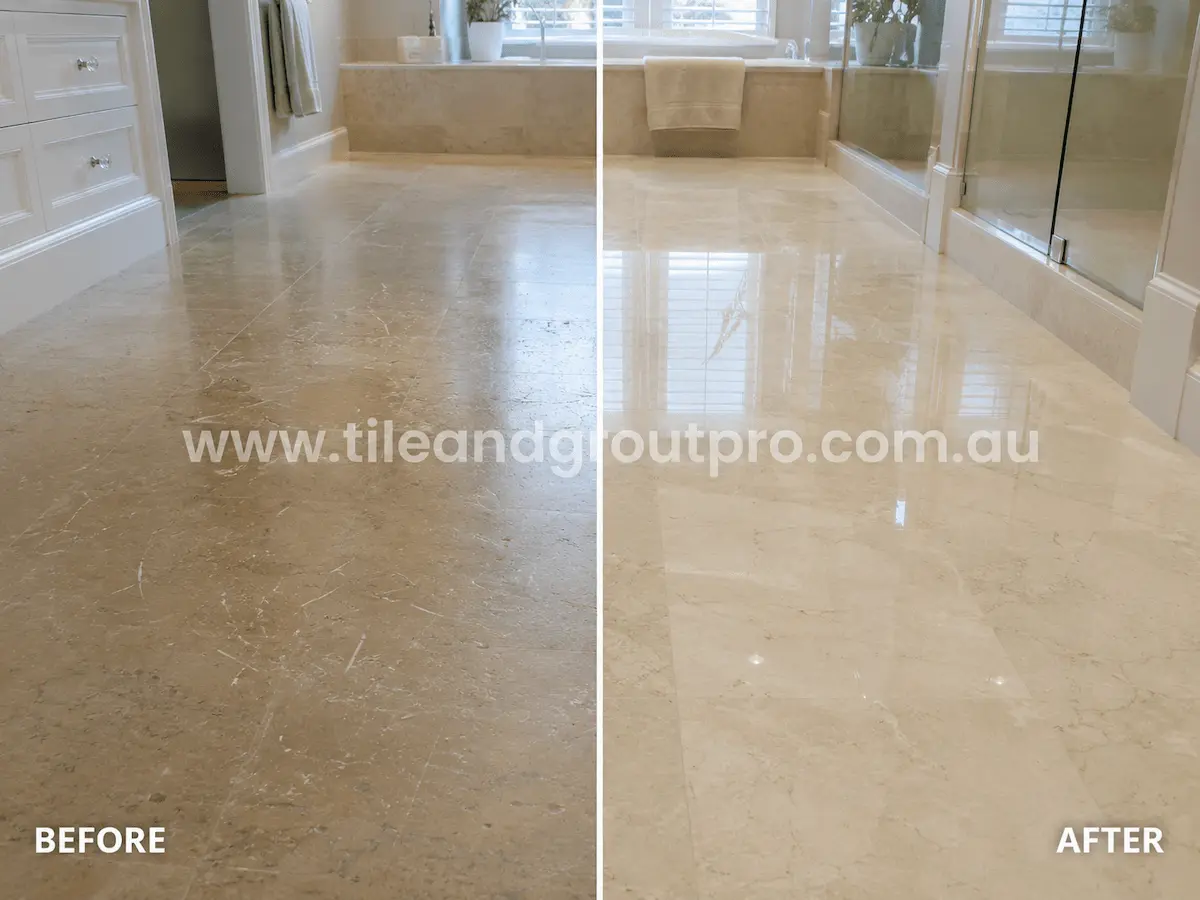
How grinding differs from honing, polishing and full restoration
Grinding is the corrective cutting stage used to remove material and fix genuine defects such as lippage, deeper damage and major wear. Honing is the refinement stage that leaves the stone smoother and flatter with a matte, low-sheen or satin appearance. Polishing takes refinement further to increase clarity, reflectivity and shine where the area and stone type make that suitable. Restoration is the broader service category that may include grinding, honing, polishing, repairs, replacement pieces, chip filling, grout work, stain treatment and sealing as part of one integrated program.
This matters because many clients are told they need “polishing” when the surface really needs grinding first, or they are sold “restoration” without any proper explanation of the steps involved. Our team explains the sequence properly so you know what level of correction your surface actually needs and why.
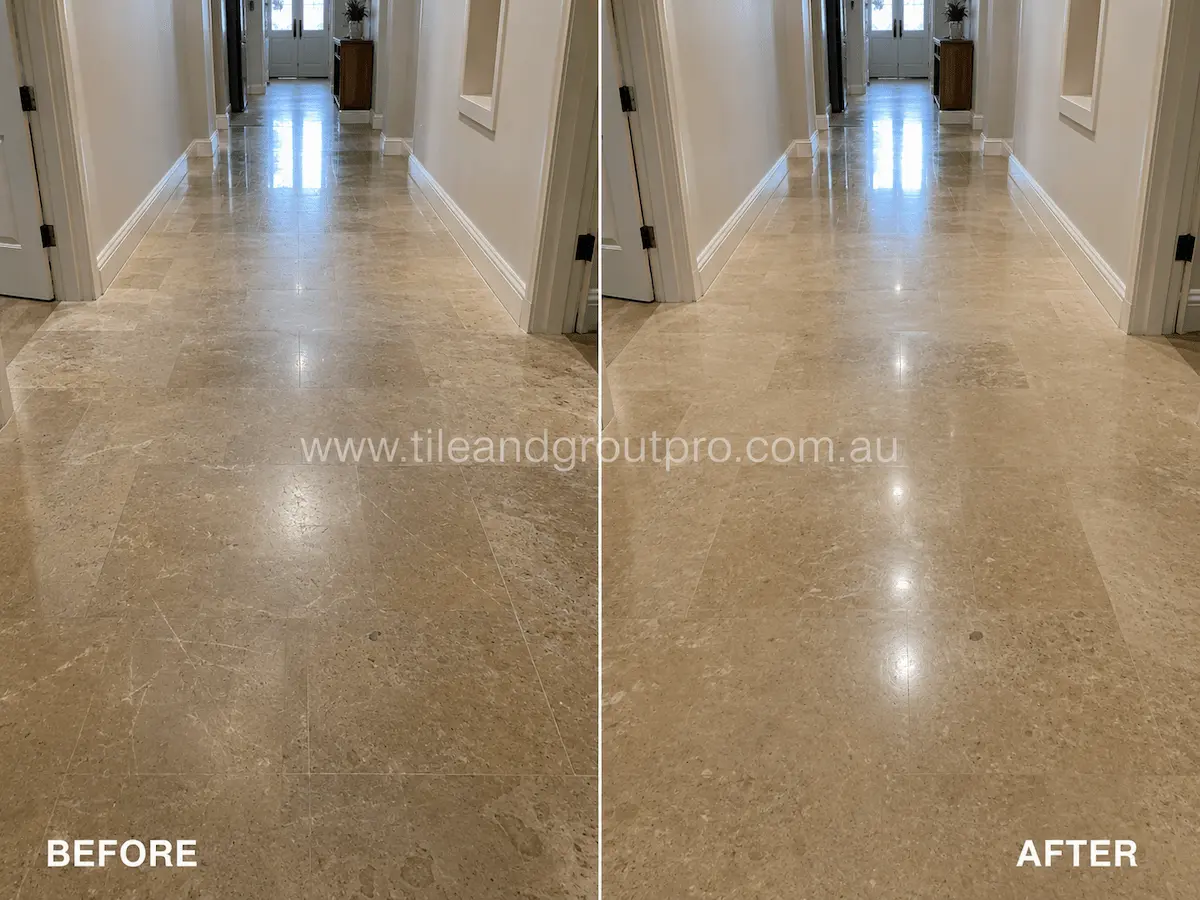
How different surfaces respond to grinding
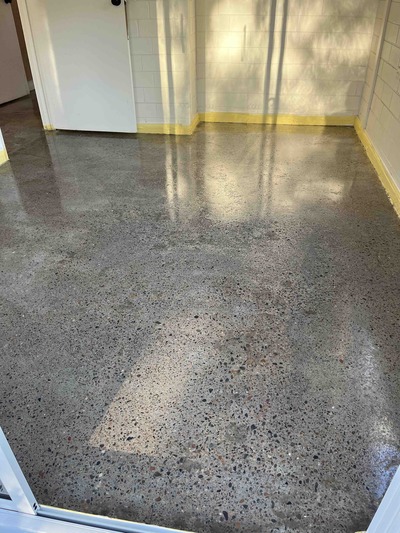
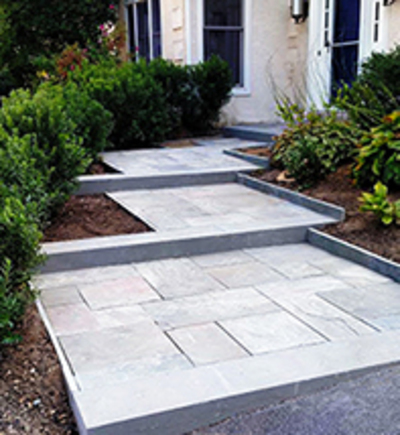
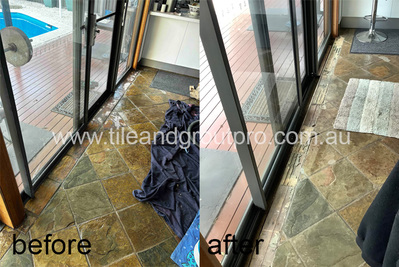
Marble, limestone and travertine are popular candidates for grinding because they can often be corrected beautifully, but they are also more sensitive to acids, fillers, over-cutting and poor technique. Granite, quartzite and dense terrazzo are harder and usually demand more aggressive diamond tooling, more machine stability and greater patience to achieve a flat, even result. Bluestone, sandstone and slate often require careful judgment around natural texture, cleft surfaces, porosity, edge fragility, outdoor suitability and final slip performance. Concrete introduces its own set of considerations such as hardness variation, aggregate exposure, old coatings and slab movement.
This is exactly why clients choose our team. We know that the best-looking result is not just about taking a surface smoother—it is about choosing the finish and refinement level that genuinely suits the material, the location and the way the area is used every day.
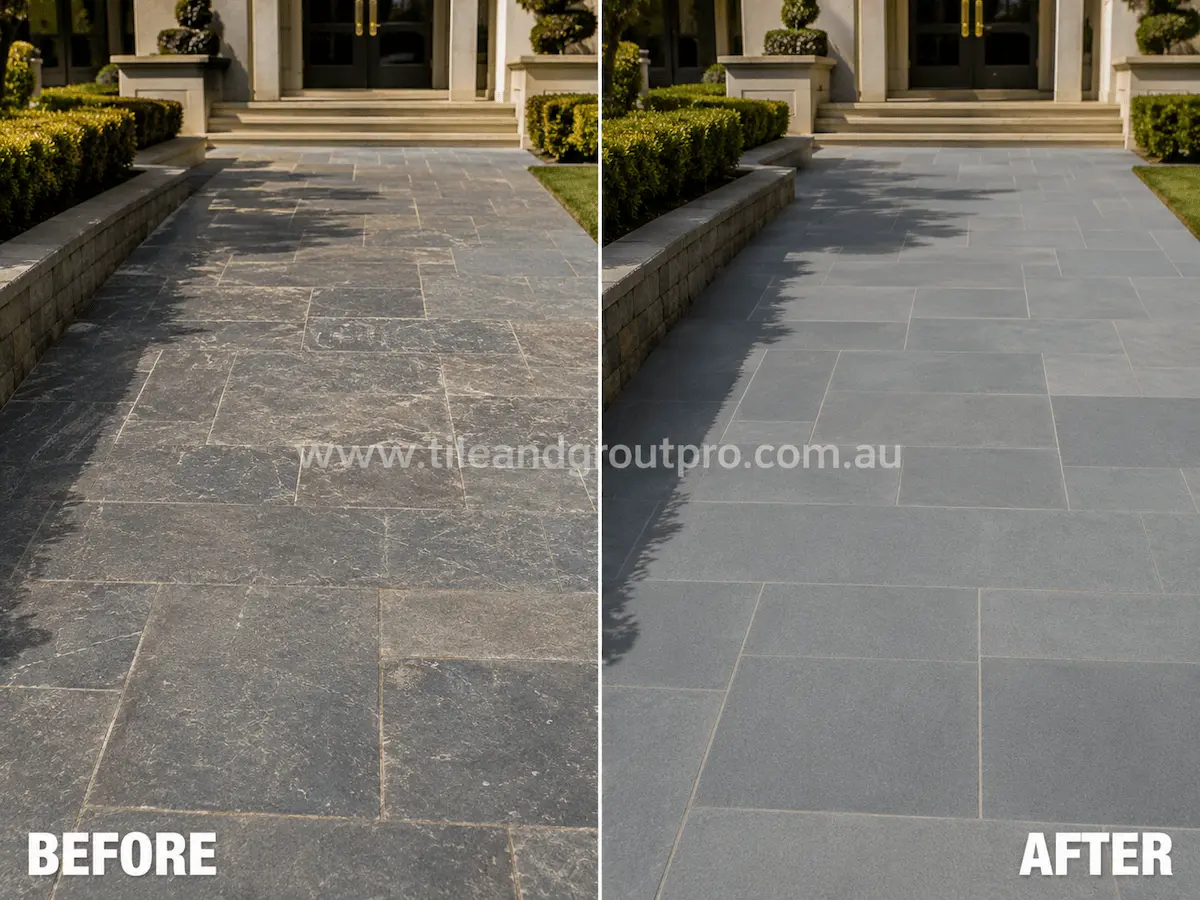
Professional equipment and product categories used in the market
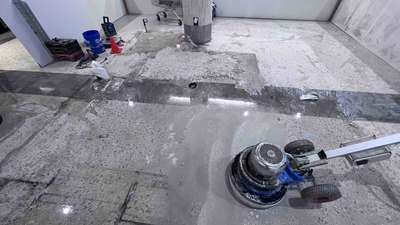
Because we are a specialist service company, we select the method and professional product category to suit the job rather than pushing a single treatment everywhere. Depending on the surface and condition, professional stone grinding may involve heavy-duty planetary or rotary machines, hand-held edge grinders, metal-bond diamond abrasives, hybrid diamonds, resin-bond honing pads, dust-control or wet-slurry systems, extraction equipment, levelling tools, moisture-assessment tools, stain-treatment compounds, pH-neutral stone cleaners, grout joint repair materials, fillers and penetrating or impregnating sealers.
Each category has advantages, limits and risks. Some abrasives cut aggressively but leave deeper scratch patterns. Some refinement systems create better clarity but only after the floor is properly flattened. Some sealers enhance colour while others prioritise invisible protection. Some products are suitable for porous outdoor stone while others are better for indoor stain resistance. The wrong combination can create hazing, patchiness, inconsistent reflection, moisture trapping, colour variation or poor long-term performance. That is why our clients rely on expert selection rather than guesswork.
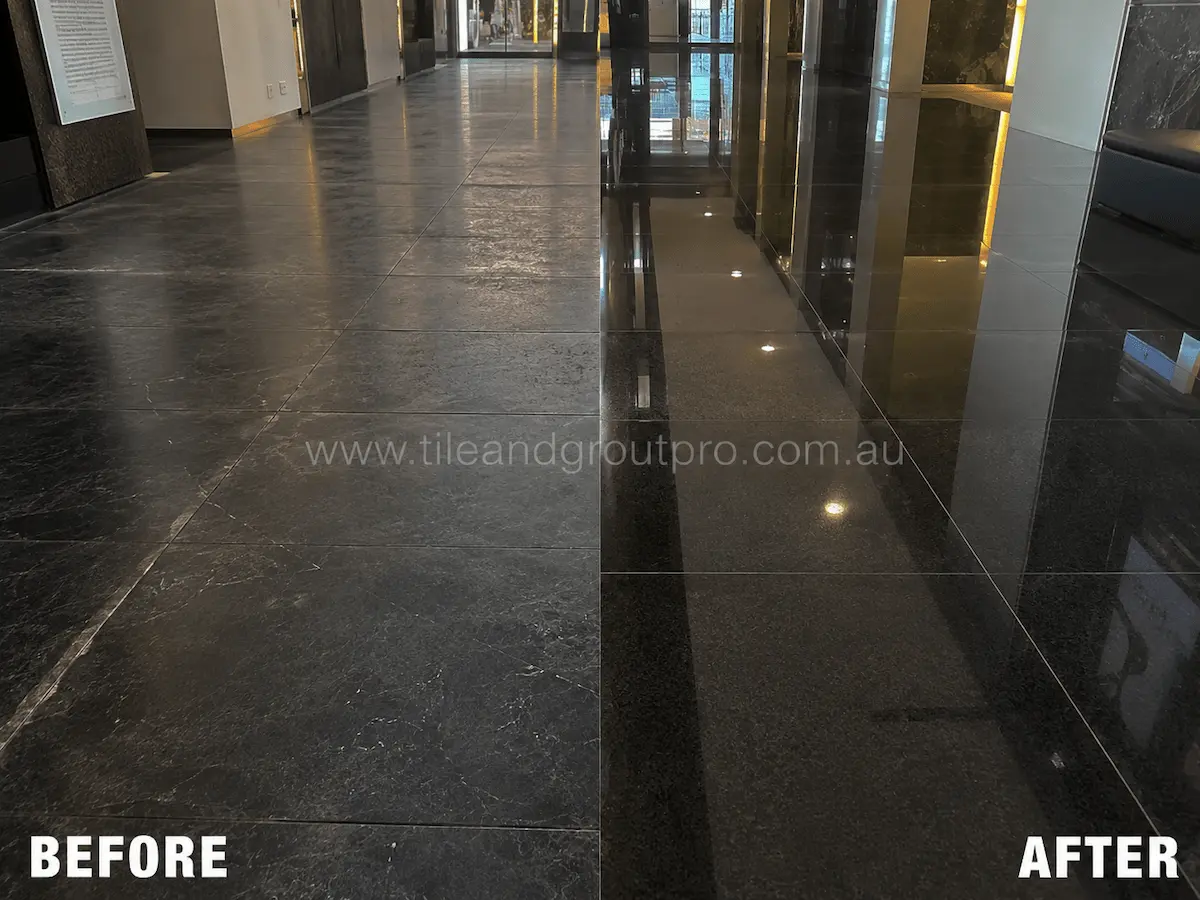
What can go wrong with an inexperienced stone grinding company
Stone grinding is not a beginner service. An inexperienced operator can remove too much material, leave deep machine marks, expose uneven scratch patterns, miss lippage at the edges, round over tile lines, damage skirtings, create visible picture framing, leave the surface flatter in one section than another, grind through softer areas, miss moisture problems or recommend a finish that becomes slippery or impractical for the location.
We are often called in after another company has made the surface look worse, not better. The floor may be patchy, over-cut, under-refined, uneven in gloss or still showing the original defects because the operator did not understand the stone. Choosing an experienced team from the start is almost always the safer and more cost-effective decision.
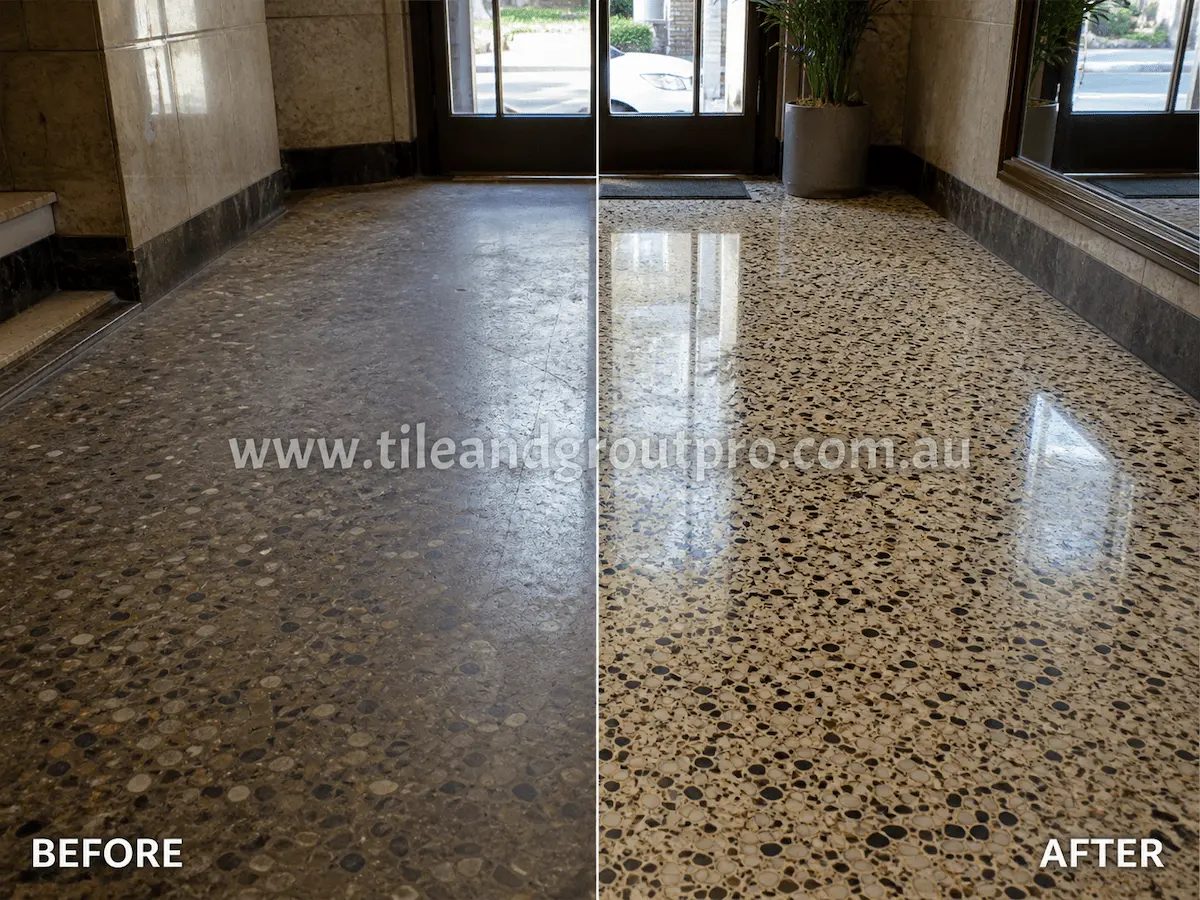
Why Tile and Grout Pro is the smart choice in Northern Suburbs
Clients choose Tile and Grout Pro because we combine technical know-how with practical service advice. We know what stone should look like, how it should be treated and what result is realistic for the material, location and budget. We explain the options clearly, select the most suitable process and deliver work that is designed to last—not just look good on the day.
- Years of real-world experience across residential and commercial stone surfaces.
- Thousands of successful jobs completed across a wide range of stone types and problem categories.
- A large experienced team of tile and stone experts available for small, medium and large jobs.
- Service-driven recommendations focused on the best method for your stone, not product sales.
- Clear advice on risks, finish options and suitability for indoor, outdoor, floor, wall and stair applications.
- High-conversion value for clients because we help preserve and improve existing surfaces instead of defaulting to replacement.
Speak to a real stone specialist today. Call 1300 880 703 or send an enquiry through our stone grinding contact page for Northern Suburbs. We will help you compare the likely result, the finish choices and the best service path for your project.
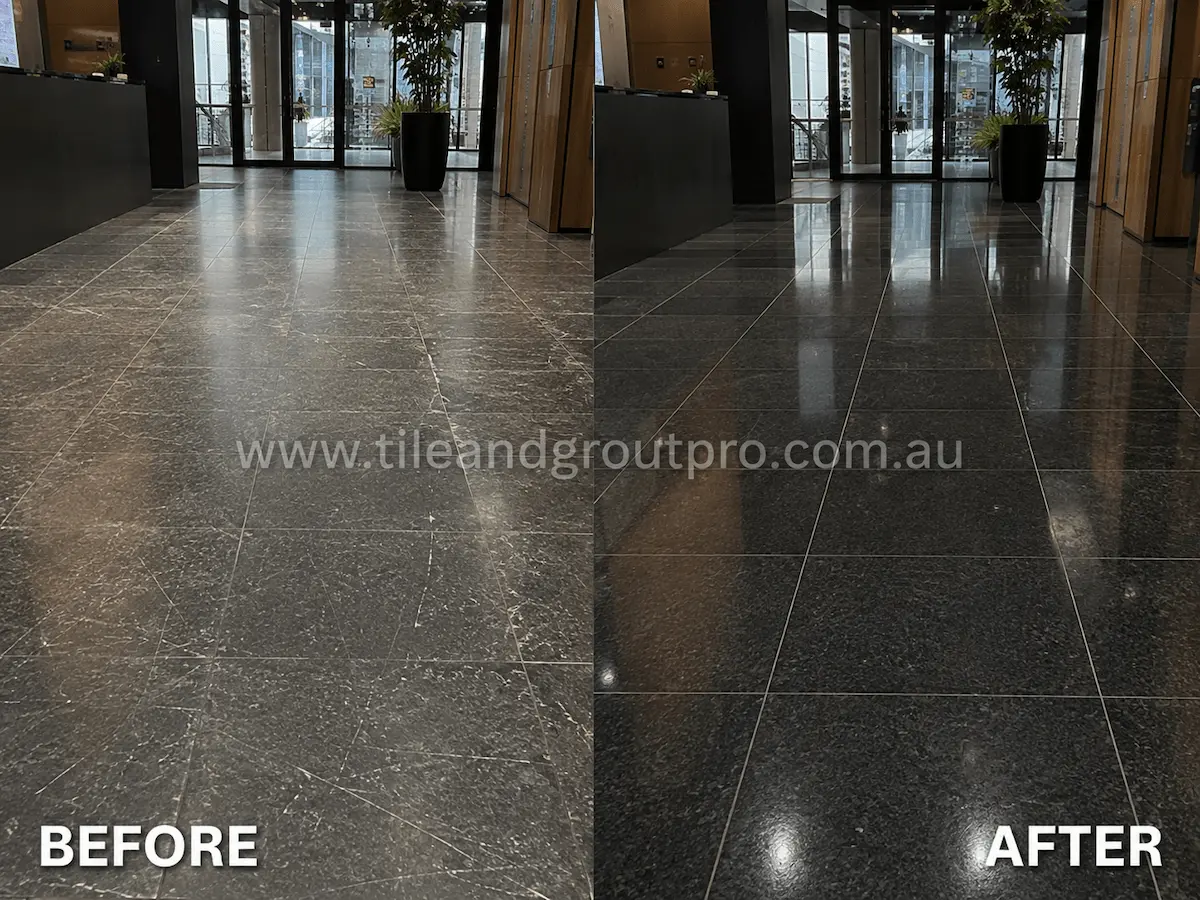
After grinding, we always recommend sealing as the next protective step in Northern Suburbs
Once a stone surface has been mechanically ground, corrected and refined, we strongly recommend professional sealing to help protect the newly opened pore structure against water, oils, food spills, dirt carry-in and day-to-day staining. This is especially important after diamond grinding, corrective grinding, lippage removal and heavy stone restoration grinding because these processes expose fresh material that is often more absorbent until it is properly protected. For that reason, our team almost always recommends a water-based penetrating / impregnating sealer rather than an unnecessary topical coating.
Based on years of practical sealing and resealing work, the best recommended sealer range we use and recommend is Deepshield. We prefer Deepshield because it gives breathable below-the-surface protection instead of building a heavy film, it is more suitable for many indoor and outdoor stone applications, and it fits the long-term maintenance path we want for our clients after grinding. If you want us to complete the full process properly, ask about our stone and grout sealing service in Northern Suburbs once the grinding stage is complete.
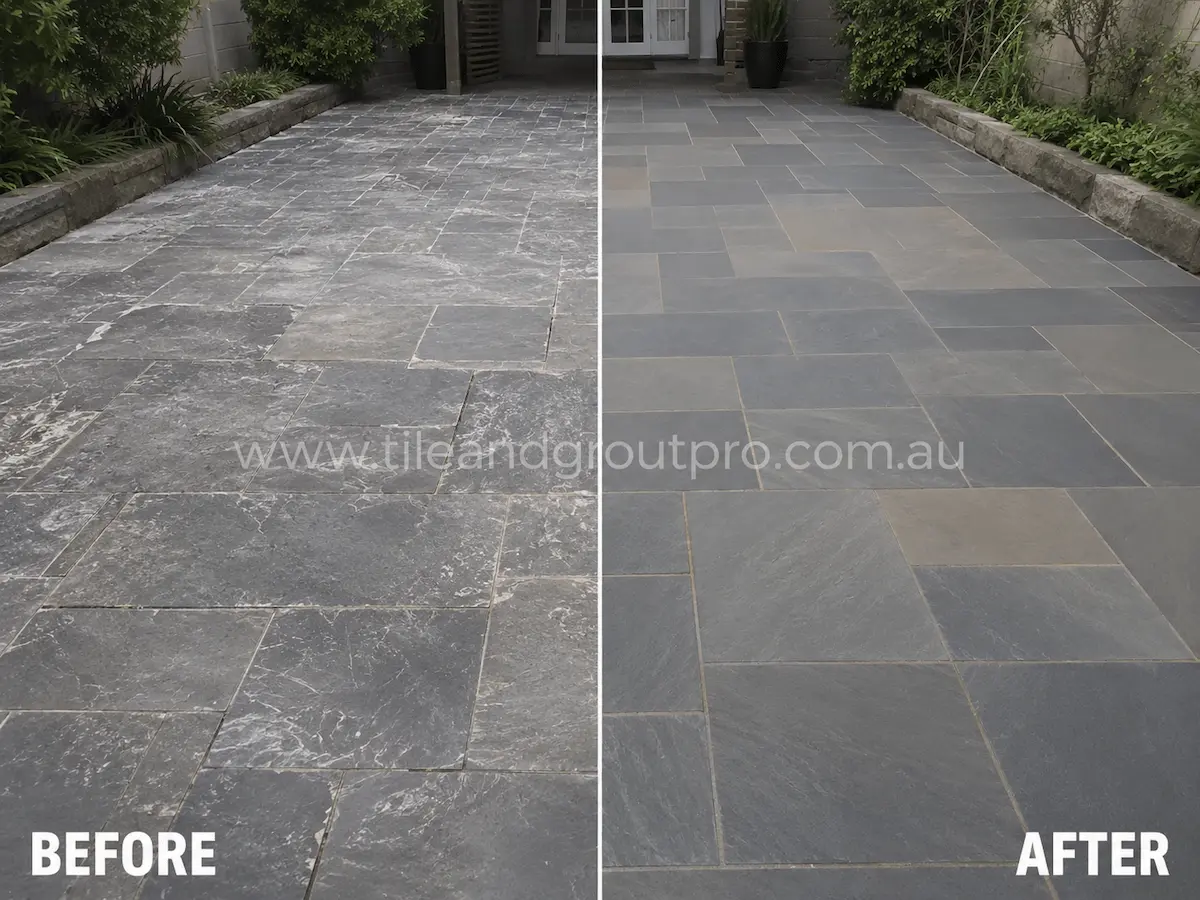
The different Deepshield sealer options we recommend after stone grinding
- Deepshield Transparent Penetrating Sealer – our go-to option for many porous honed, ground and natural-finish stone surfaces where the goal is invisible breathable protection with a natural look. It is a premium penetrating impregnating water-based sealer designed for natural stone, grout lines, concrete, pavers and other porous surfaces, and Deepshield states it can be used indoors and outdoors while maintaining an invisible natural appearance. It is an excellent fit for many ground limestone, travertine, sandstone, slate, bluestone and similar porous surfaces where clients do not want a visible coating or artificial shine.
- Deepshield GOLD Transparent Penetrating Sealer – our premium recommendation where the stone is denser, more refined, more highly honed, semi-polished or fully polished, or where we want maximum long-term performance from a premium invisible penetrating system. Deepshield describes GOLD as an ultra-premium penetrating / impregnating water-based sealer for interior and exterior surfaces, including marble, natural stone tiles and grout lines, with protection for up to 15 years depending on use and exposure. This is often the strongest choice after grinding when the restoration program is continuing through finer honing or polishing stages, or when the material is denser and more difficult to protect properly.
- Deepshield Colour Enhancing Penetrating Sealer – recommended when the client wants protection plus a slightly richer, deeper, more highlighted colour. This is still a penetrating impregnating water-based sealer, but Deepshield explains that it is designed to slightly darken and highlight the character of coloured porous surfaces while remaining breathable rather than leaving a heavy topical coating. It can be a great option for selected bluestone, slate, sandstone, terrazzo, pavers and some outdoor natural stone where colour enrichment is desirable and appropriate.
- Deepshield Penetrating Grout Sealer – this is the specialist option for cement-based grout joints rather than the stone face itself. We recommend it where the grout around a freshly restored or ground stone installation also needs protection. Deepshield states that grout sealer is vapour permeable, suitable for vertical and horizontal grout joints, and should be used on grout rather than on the stone surface itself. It is a very practical add-on in kitchens, bathrooms, showers, entries, living areas, outdoor entertaining areas and other stone installations where grout is part of the long-term maintenance risk.
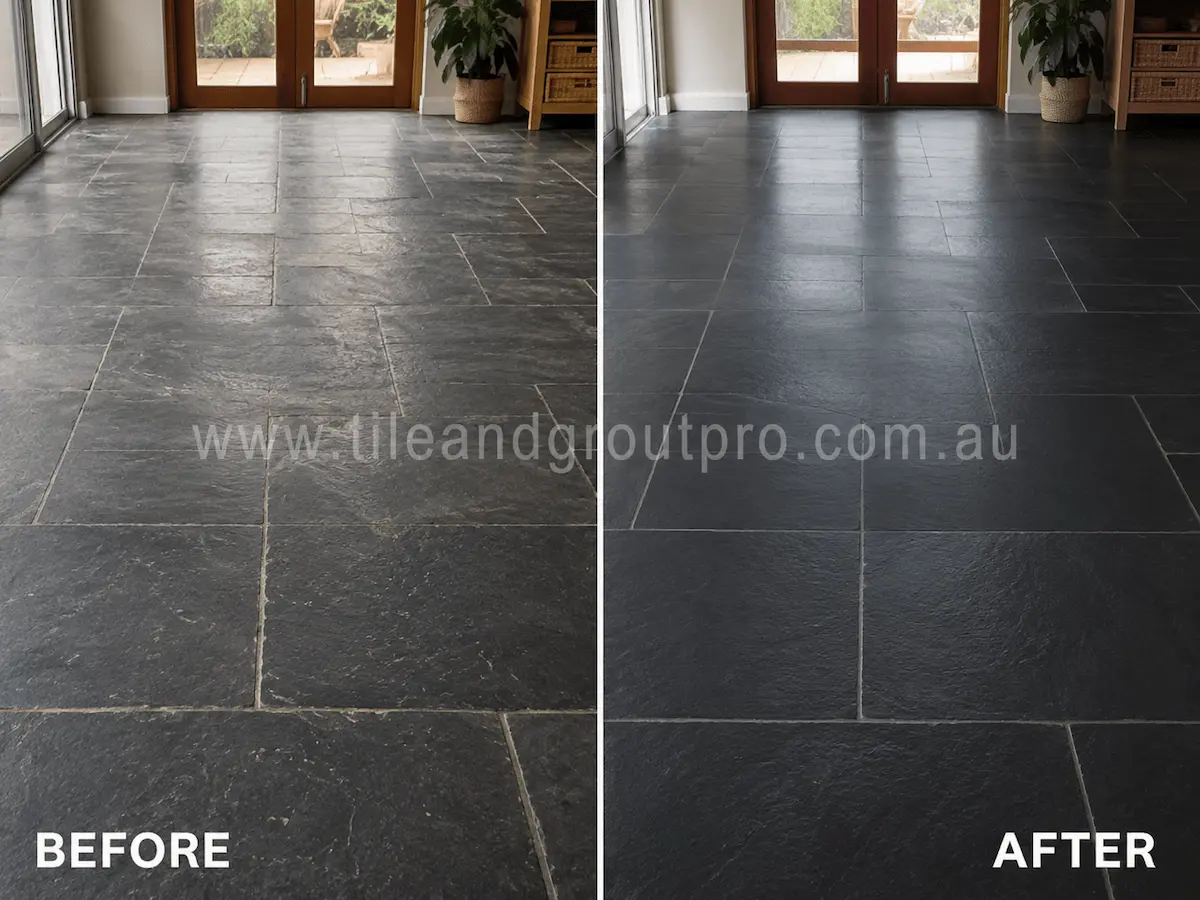
How we choose the right Deepshield system for each area
The right sealing choice depends on the stone type, porosity, finish level, traffic, moisture exposure and visual brief. After grinding, porous floors in kitchens, living areas, hallways, entries and many outdoor spaces often suit Deepshield Transparent where natural-look protection is the priority. Dense marble, denser terrazzo, finer honed finishes and surfaces that are moving toward a higher polish often suit Deepshield GOLD. Surfaces next to pools, exposed entertaining areas, patios, pathways and feature stone that the client wants to look richer may suit Deepshield Colour Enhancing. Where grout joints are exposed to spills, washing, shower moisture or dirt loading, Deepshield Grout Sealer may also be recommended as part of the complete service.
Our role is to make sure you do not get the wrong sealer for the wrong finish. A poor sealing decision after grinding can reduce the value of the restoration, create patchiness, cause avoidable maintenance issues or leave the client with the wrong visual result. That is why customers call Tile and Grout Pro: we do not just grind the stone and leave—we help finish, protect and future-proof the surface properly. To discuss the best Deepshield option for your ground stone in Northern Suburbs, call 1300 880 703 or use our online enquiry form for stone grinding and sealing in Northern Suburbs.
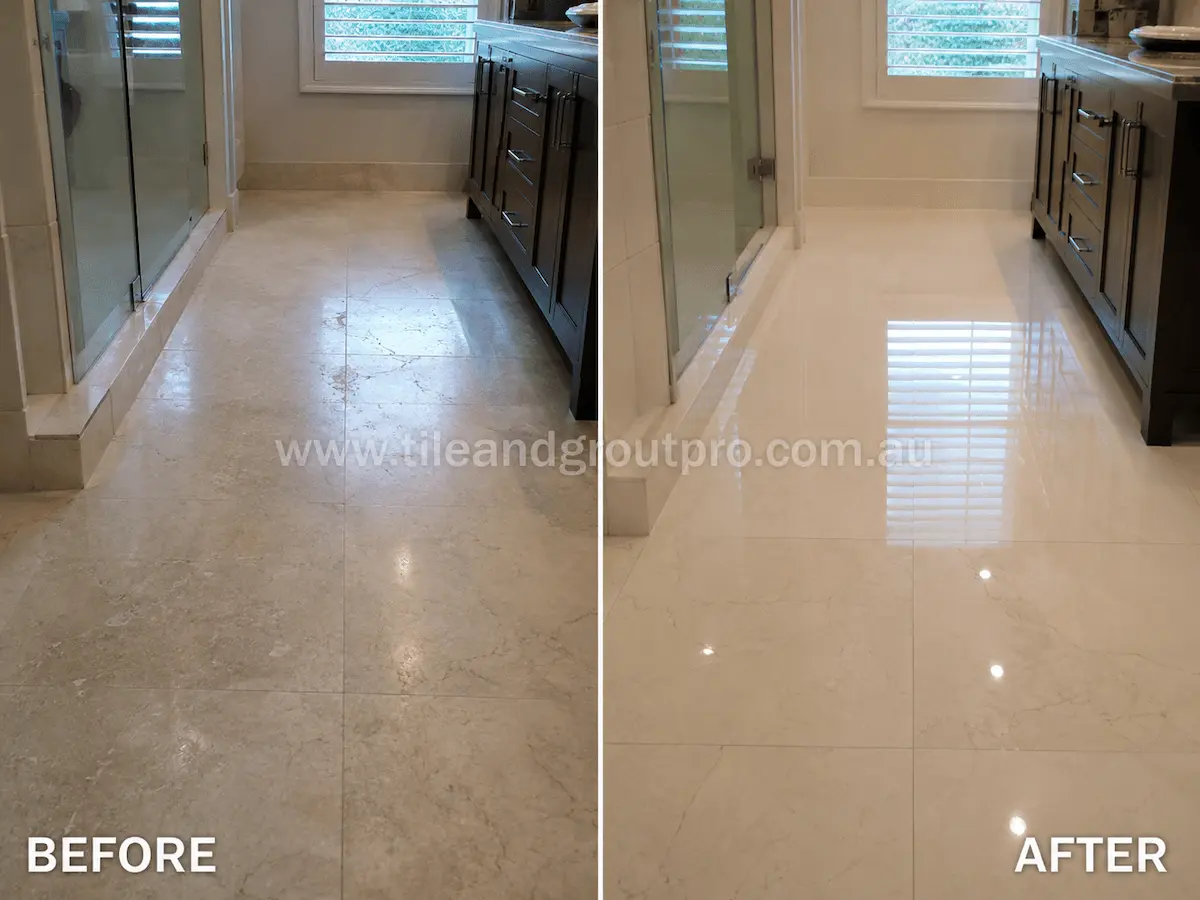
Browse our surface-specific stone grinding pages in Northern Suburbs
If you already know your surface type, use the links below to go straight to the most relevant page. These pages target high-intent searches such as marble floor grinding, terrazzo grinding contractors, limestone lippage removal, concrete grinding services, sandstone resurfacing and quartzite floor restoration.
- Marble Grinding Services in Northern Suburbs
- Limestone Grinding Services in Northern Suburbs
- Travertine Grinding Services in Northern Suburbs
- Granite Grinding Services in Northern Suburbs
- Terrazzo Grinding Services in Northern Suburbs
- Bluestone Grinding Services in Northern Suburbs
- Sandstone Grinding Services in Northern Suburbs
- Slate Grinding Services in Northern Suburbs
- Concrete Grinding Services in Northern Suburbs
- Quartzite Grinding Services in Northern Suburbs
- Soapstone Grinding Services in Northern Suburbs
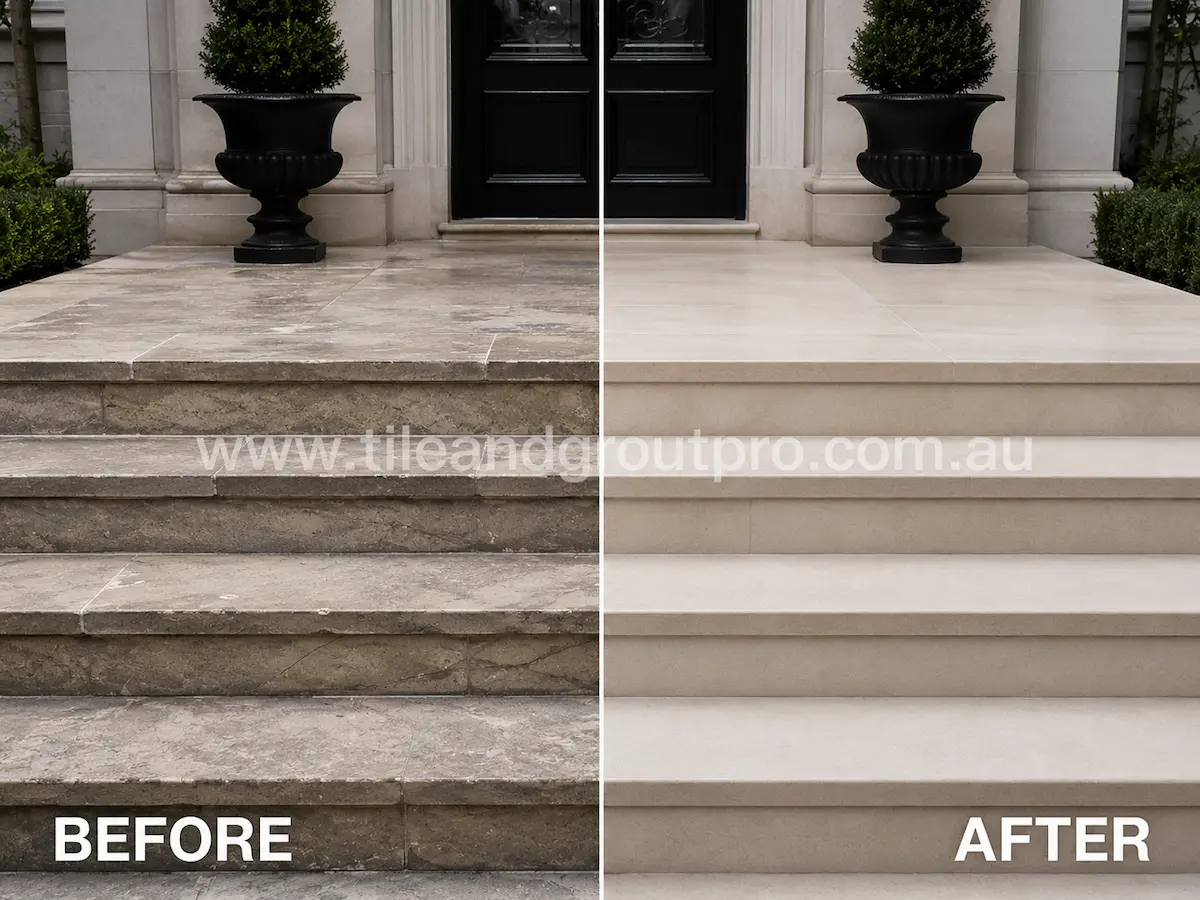
Related services that may be recommended with stone grinding
Grinding is often only one stage of a complete surface recovery plan. After corrective grinding, many surfaces are refined through stone honing in Northern Suburbs for a smooth matte or satin finish, taken further through stone polishing in Northern Suburbs for extra clarity and shine, or incorporated into a broader stone restoration service in Northern Suburbs where repairs, replacement work and finish recovery are all required.
Frequently asked questions about stone grinding in Northern Suburbs
Will grinding remove all damage?
Grinding can dramatically improve many defects, but the result always depends on how deep the damage is, how much material can safely be removed and the specific stone involved. We assess this carefully before recommending the process.
Is grinding suitable for outdoor stone?
It can be, but outdoor suitability depends on the stone type, the finish required, slip expectations, weather exposure and drainage. Outdoor stone must be approached differently from an internal polished floor.
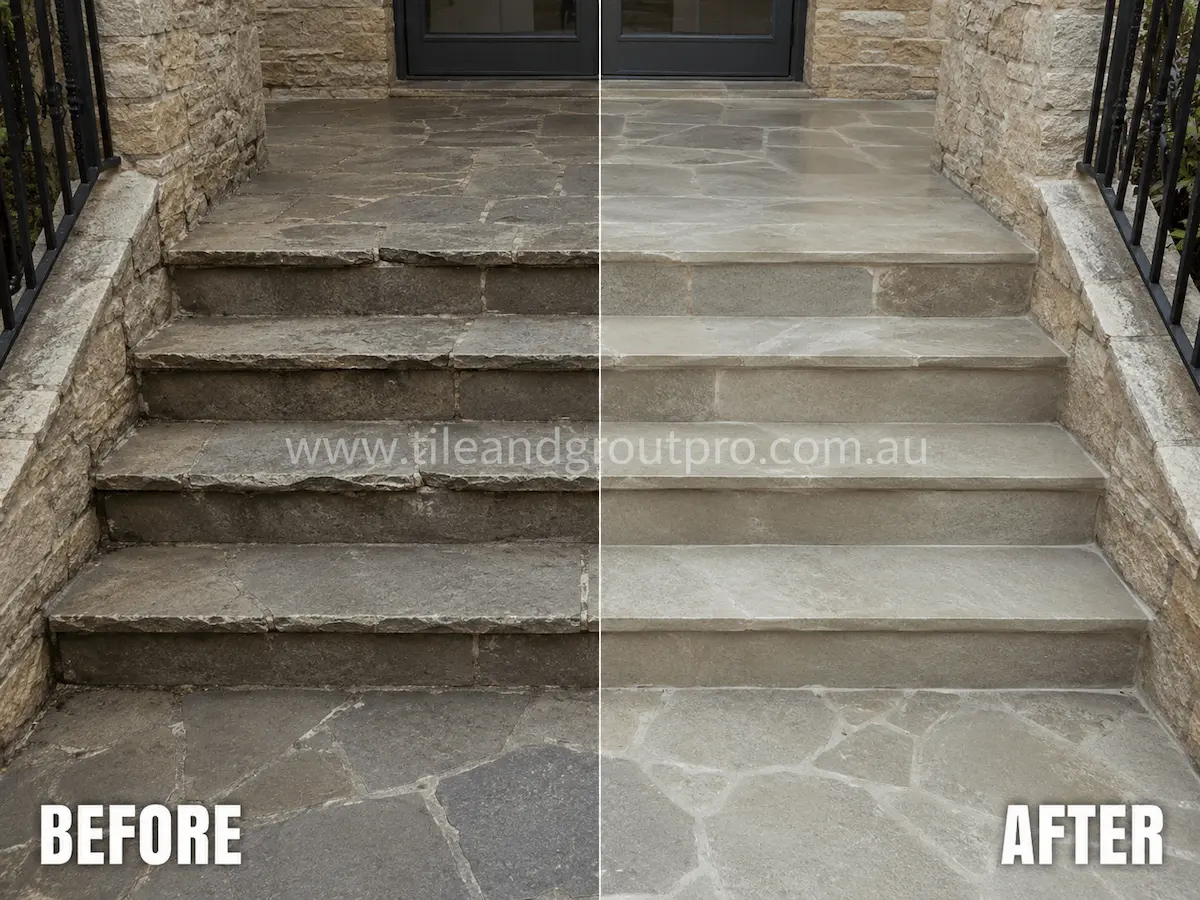
Can grinding make the floor shiny?
Grinding is the corrective cutting stage. Shine is usually developed later through honing and polishing, depending on the surface and the finish you want.
Should I replace the stone instead?
In many cases, no. Professional grinding can be far more cost-effective than replacement and can produce a premium result while preserving the existing installation.
Call now for expert stone grinding in Northern Suburbs
If your stone is scratched, uneven, badly etched, worn or simply not presenting the way it should, now is the time to get expert advice. We handle homes, apartments, prestige residences, strata properties, hotels, retail sites, offices and commercial projects, and our experienced team is ready to assist with all job sizes.
Call 1300 880 703 now for a free stone grinding quote in Northern Suburbs, or send us an enquiry through our online form for local stone grinding services in Northern Suburbs. Tell us the surface type, where it is located and what problems you are seeing, and we will guide you toward the most suitable solution.
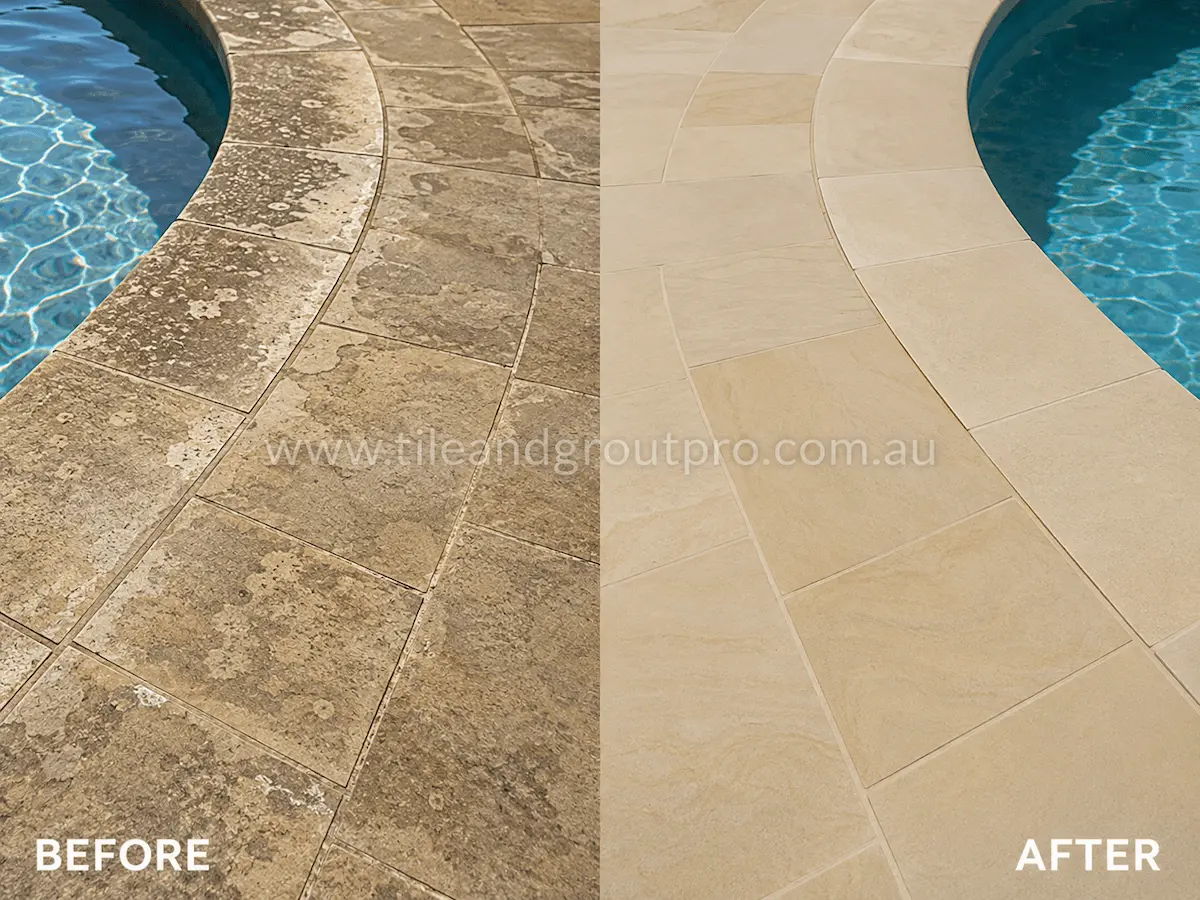
Our Services
Professional tile cleaning, sealing, and restoration services for all types of surfaces
We provide specialised cleaning & sealing solutions for all types of floor and wall tiles
To schedule your appointment or to obtain a free estimate, please Call 1300 880 703 or use our online enquiry form.

Marble
- Marble Cleaning in Northern Suburbs
- Marble Sealing in Northern Suburbs
- Marble Polishing in Northern Suburbs
- Marble Honing in Northern Suburbs
- Marble Grinding in Northern Suburbs
- Marble Resurfacing in Northern Suburbs
- Marble Scratch Removal in Northern Suburbs
- Marble Renewal in Northern Suburbs
- Marble Regrouting in Northern Suburbs
- Marble Repairing in Northern Suburbs
- Marble Restoration in Northern Suburbs
- Marble Stripping in Northern Suburbs

Travertine
- Travertine Cleaning in Northern Suburbs
- Travertine Sealing in Northern Suburbs
- Travertine Polishing in Northern Suburbs
- Travertine Honing in Northern Suburbs
- Travertine Grinding in Northern Suburbs
- Travertine Resurfacing in Northern Suburbs
- Travertine Scratch Removal in Northern Suburbs
- Travertine Renewal in Northern Suburbs
- Travertine Regrouting in Northern Suburbs
- Travertine Repairing in Northern Suburbs
- Travertine Restoration in Northern Suburbs
- Travertine Stripping in Northern Suburbs
Limestone
- Limestone Cleaning in Northern Suburbs
- Limestone Sealing in Northern Suburbs
- Limestone Polishing in Northern Suburbs
- Limestone Honing in Northern Suburbs
- Limestone Grinding in Northern Suburbs
- Limestone Resurfacing in Northern Suburbs
- Limestone Scratch Removal in Northern Suburbs
- Limestone Renewal in Northern Suburbs
- Limestone Regrouting in Northern Suburbs
- Limestone Repairing in Northern Suburbs
- Limestone Restoration in Northern Suburbs
- Limestone Stripping in Northern Suburbs

Granite
- Granite Cleaning in Northern Suburbs
- Granite Sealing in Northern Suburbs
- Granite Polishing in Northern Suburbs
- Granite Honing in Northern Suburbs
- Granite Grinding in Northern Suburbs
- Granite Resurfacing in Northern Suburbs
- Granite Scratch Removal in Northern Suburbs
- Granite Renewal in Northern Suburbs
- Granite Regrouting in Northern Suburbs
- Granite Repairing in Northern Suburbs
- Granite Restoration in Northern Suburbs
- Granite Stripping in Northern Suburbs

Bluestone
- Bluestone Cleaning in Northern Suburbs
- Bluestone Sealing in Northern Suburbs
- Bluestone Polishing in Northern Suburbs
- Bluestone Honing in Northern Suburbs
- Bluestone Grinding in Northern Suburbs
- Bluestone Resurfacing in Northern Suburbs
- Bluestone Scratch Removal in Northern Suburbs
- Bluestone Renewal in Northern Suburbs
- Bluestone Regrouting in Northern Suburbs
- Bluestone Repairing in Northern Suburbs
- Bluestone Restoration in Northern Suburbs
- Bluestone Stripping in Northern Suburbs

Terrazzo
- Terrazzo Cleaning in Northern Suburbs
- Terrazzo Sealing in Northern Suburbs
- Terrazzo Polishing in Northern Suburbs
- Terrazzo Honing in Northern Suburbs
- Terrazzo Grinding in Northern Suburbs
- Terrazzo Resurfacing in Northern Suburbs
- Terrazzo Scratch Removal in Northern Suburbs
- Terrazzo Renewal in Northern Suburbs
- Terrazzo Regrouting in Northern Suburbs
- Terrazzo Repairing in Northern Suburbs
- Terrazzo Restoration in Northern Suburbs
- Terrazzo Stripping in Northern Suburbs


Pavers
- Pavers Cleaning in Northern Suburbs
- Brick Pavers Sealing in Northern Suburbs
- Concrete Pavers Sealing in Northern Suburbs
- Pavers Repairing in Northern Suburbs
- Brick Pavers Repairing in Northern Suburbs
- Concrete Pavers Repairing in Northern Suburbs
- Clay Pavers Repairing in Northern Suburbs
- Natural Stone Pavers Repairing in Northern Suburbs
- Porcelain Pavers Repairing in Northern Suburbs
- Interlocking Pavers Repairing in Northern Suburbs
- Brick Pavers Renewal in Northern Suburbs
- Concrete Pavers Renewal in Northern Suburbs

Sandstone
- Sandstone Cleaning in Northern Suburbs
- Sandstone Sealing in Northern Suburbs
- Sandstone Polishing in Northern Suburbs
- Sandstone Honing in Northern Suburbs
- Sandstone Grinding in Northern Suburbs
- Sandstone Resurfacing in Northern Suburbs
- Sandstone Scratch Removal in Northern Suburbs
- Sandstone Renewal in Northern Suburbs
- Sandstone Regrouting in Northern Suburbs
- Sandstone Repairing in Northern Suburbs
- Sandstone Restoration in Northern Suburbs
- Sandstone Stripping in Northern Suburbs

Slate
- Slate Cleaning in Northern Suburbs
- Slate Sealing in Northern Suburbs
- Slate Polishing in Northern Suburbs
- Slate Honing in Northern Suburbs
- Slate Grinding in Northern Suburbs
- Slate Resurfacing in Northern Suburbs
- Slate Scratch Removal in Northern Suburbs
- Slate Renewal in Northern Suburbs
- Slate Regrouting in Northern Suburbs
- Slate Repairs in Northern Suburbs
- Slate Restoration in Northern Suburbs
- Slate Stripping in Northern Suburbs

Porcelain
- Porcelain Cleaning in Northern Suburbs
- Porcelain Sealing in Northern Suburbs
- Porcelain Polishing in Northern Suburbs
- Porcelain Renewal in Northern Suburbs
- Porcelain Regrouting in Northern Suburbs
- Porcelain Repairing in Northern Suburbs
- Porcelain Restoration in Northern Suburbs
- Porcelain Stripping in Northern Suburbs
- Porcelain Scratch Removal in Northern Suburbs


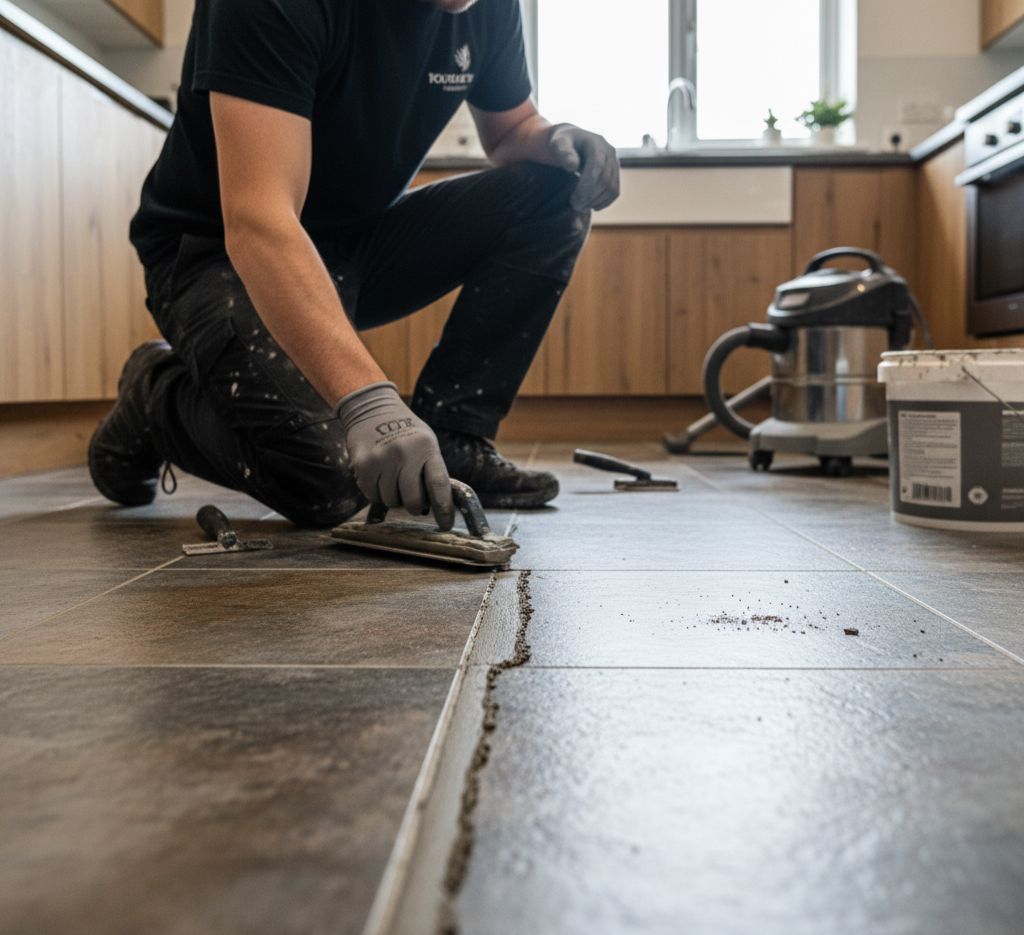
Professional Equipment & Tools
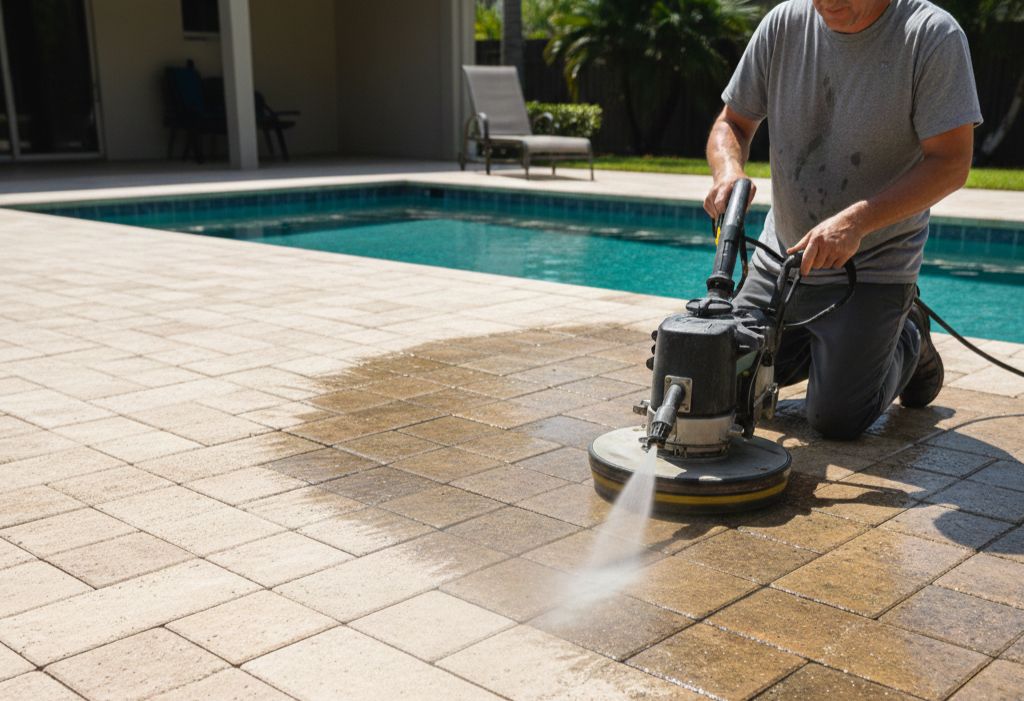
We use commercial-grade machines and specialist tools to deliver deep cleaning and restoration results.


Customer Testimonials
At Tile And Grout Pro, our goal is to be ever-responsive, giving each client personalized service and a beautiful end result.
Outstanding Tile & Grout Transformation
"From the first inspection to the final clean-up, Tile & Grout Pro were professional, responsive, and extremely thorough. Our tiles and grout look better than they did when they were first installed. The team explained the process clearly and delivered an amazing result. We couldn’t be happier and highly recommend their tile and grout cleaning services. "
Grout Colour Sealing Made a Huge Difference
"I never realised how much grout colour sealing could completely transform a floor until Tile & Grout Pro worked their magic. The difference is incredible — our entire home looks brighter and cleaner. The team were knowledgeable, friendly, and clearly take pride in their work. We’ll be recommending Tile & Grout Pro to everyone we know. "
Kitchen Tiles Look Brand New Again
"Our kitchen tiles and grout were years old and extremely dirty. We tried everything, but nothing worked. Tile & Grout Pro cleaned and restored them, and the result is unbelievable — it honestly looks like a brand new floor. Their professionalism and attention to detail really stood out. "
Professional Bathroom Regrouting & Mould Removal
"We had badly stained grout, mould issues, and cracked silicone in our bathroom. Tile & Grout Pro regrouted the shower, replaced the silicone joints, and treated the mould. The bathroom now looks fresh, hygienic, and modern again. Excellent workmanship and great customer service. "
"Tile & Grout Pro restored our natural stone floors through grinding, honing, and polishing, and the results are stunning. The floors have a beautiful, even finish and look brand new. The team were punctual, respectful, and clearly experts in stone restoration. Worth every cent. "
Reliable, Honest & High-Quality Work
"We’ve used Tile & Grout Pro for tile cleaning, sealing, and ongoing maintenance, and they’ve been outstanding every time. Their attention to detail, honest advice, and high-quality results set them apart from other companies. If you want your tiles properly restored, this is the team to call. "