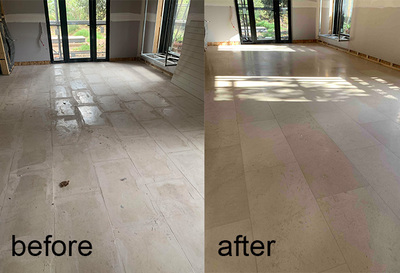
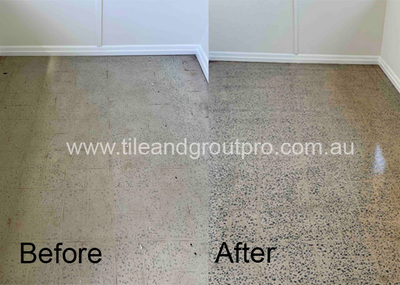
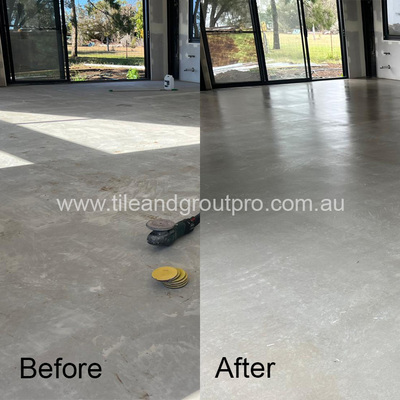
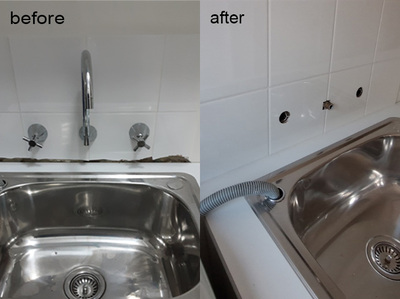

Cleaning, Sealing & Restoration Specialists

Sealer Stripping Lower North Shore - Sydney
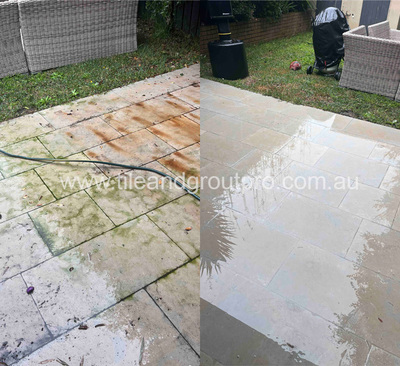
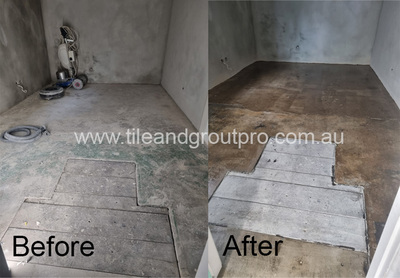
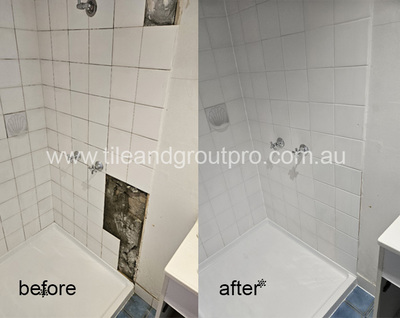
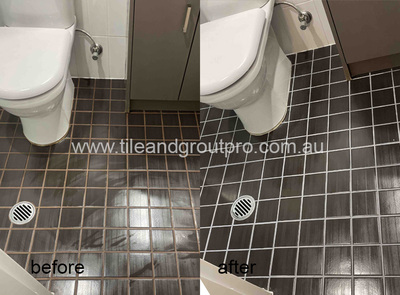
If your tile, grout, stone, pavers or concrete look cloudy, sticky, blotchy, yellowed, darkened, slippery, patchy, milky, peeling, flaking or simply harder to clean than they should, the problem is often not the surface itself. In many cases, the real problem is a failed sealer, topical coating, wet look finish, wax build-up, floor polish residue, poorly applied impregnating sealer or an incompatible reseal sitting on or inside the surface. At Tile and Grout Pro, we provide specialist sealer stripping, coating removal, old sealer removal, strip and reseal and surface preparation services in Lower North Shore for floors, walls, wet areas, dry areas, indoor areas, outdoor areas, pool surrounds, patios, driveways, balconies, bathrooms, kitchens, laundries, commercial spaces and high-traffic common areas. We cover all Sydney suburbs and all Lower North Shore area.
We do not treat sealer stripping like a basic mop-and-scrub job. Correct sealer removal requires proper diagnosis of the existing coating or impregnating system, the substrate below it, the finish level, the age of the installation, the moisture conditions, the traffic pattern, the slip-risk profile, the surrounding materials and what the surface actually needs after stripping. The wrong chemical, the wrong pad, the wrong machine, the wrong dwell time or the wrong rinse procedure can leave behind residue, create more patchiness, damage grout, etch sensitive stone, increase slip risk, stain adjacent finishes or even force a much bigger restoration than was originally necessary. That is why customers call our experienced team when they want the job done properly the first time.
Need experienced advice now? Call 1300 880 703 or use our online enquiry form for a free quote on professional sealer stripping in Lower North Shore. We handle everything from one bathroom or kitchen floor to large residential, strata, hospitality, retail and commercial projects, and our experienced team of tile experts is available for jobs of all sizes.
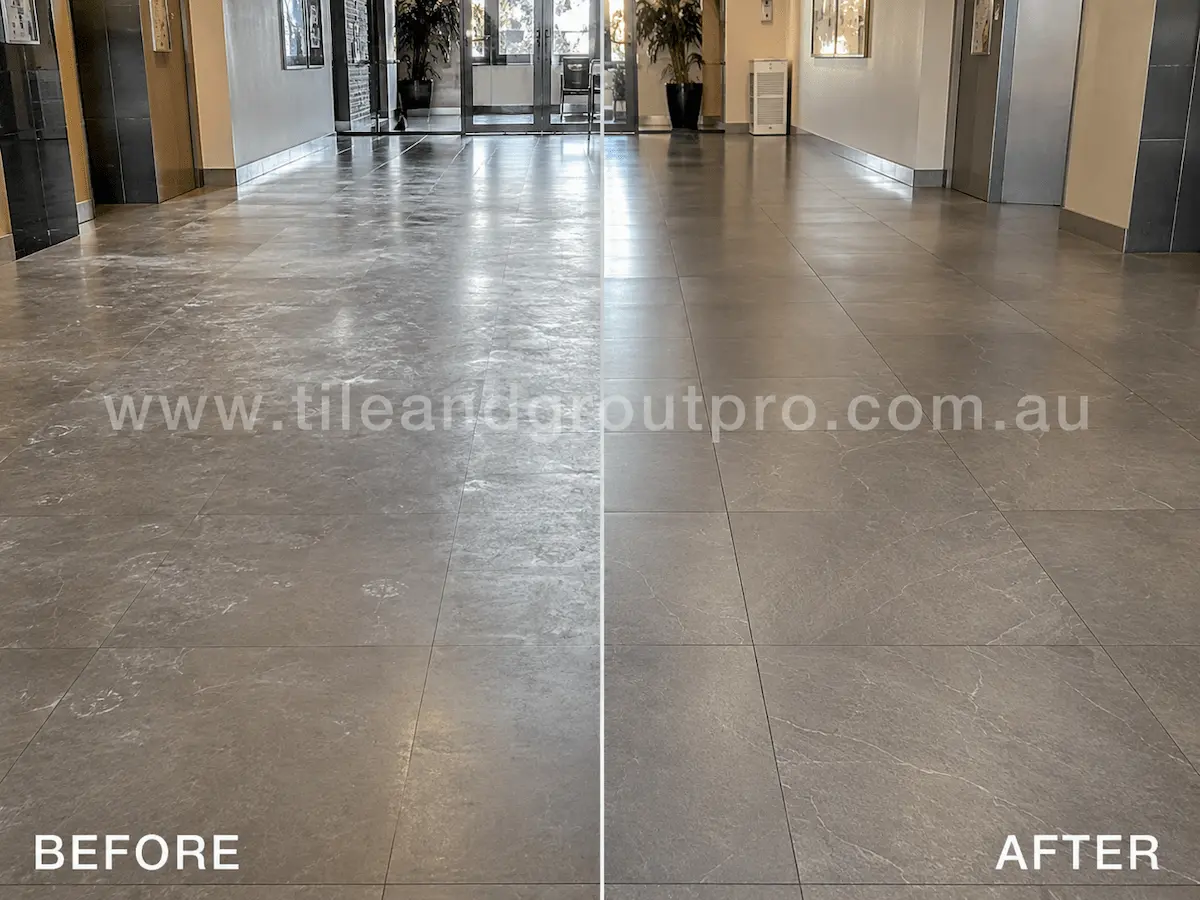
Why professional sealer stripping matters in Lower North Shore
Many people are told their floor is permanently stained, permanently dull, worn out, or ready for replacement, when the real issue is old coating build-up, sealer whitening, trapped contamination under a film, oxidised finish, sealer haze, moisture trapped under a topical layer, patchy colour enhancer residue, traffic-lane wear, poor previous sealing, or a failed attempt to hide the problem with another coat of sealer. Cleaning alone will not fix those issues, and resealing over a failed system usually makes the final result worse. Proper stripping removes the failed material so the surface can be cleaned properly, inspected honestly, repaired if needed, restored if needed, and sealed with the most suitable system for the actual conditions.
We regularly strip failed sealers and coatings from ceramic tiles, porcelain tiles, mosaics, wall tiles, quarry tiles, terracotta, brick pavers, concrete pavers, natural stone including marble, limestone, travertine, granite, slate, sandstone, bluestone, terrazzo, quartzite and soapstone, plus concrete floors, driveways, alfresco areas, pool surrounds, balconies, patios and commercial hard surfaces. We also deal with grout sealer residue, grout joint contamination and failed maintenance coatings that stop surfaces from being properly cleaned or resealed.
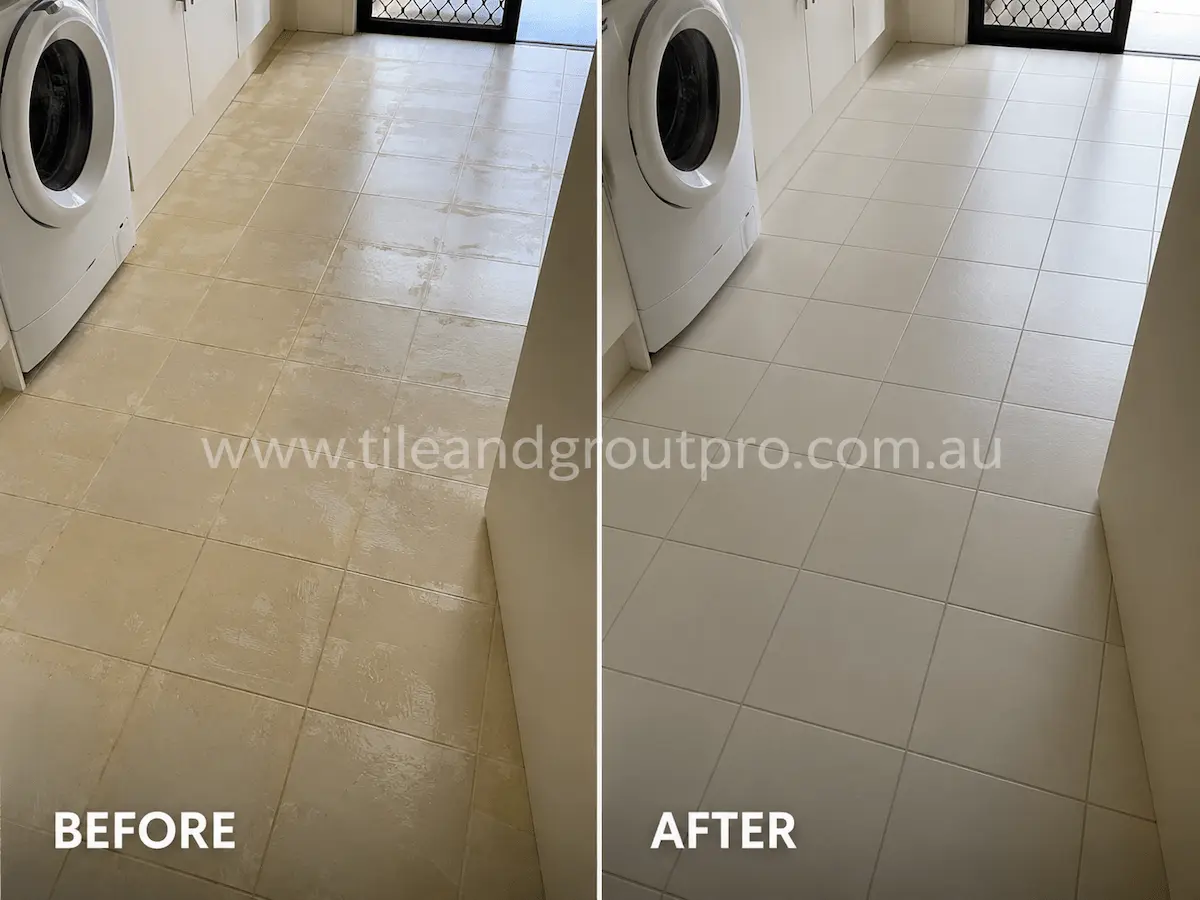
All major sealer and coating types that can require stripping
Because you asked for detail, below is a broad overview of the main sealer, coating and finish categories that can end up needing professional stripping. Different surfaces can have one of these systems, or several layered on top of each other over time.
1. Topical acrylic sealers and acrylic floor coatings
These sit on the surface and create a visible film. They can be used to add sheen, deepen colour, create a wet look, reduce dusting on some porous surfaces or provide a sacrificial wear layer. They are common on terracotta, quarry tiles, some pavers, some decorative concrete, and older tile installations.
- Common problems: peeling, whitening, yellowing, scratching, scuffing, traffic-lane wear, sticky residue, trapped dirt, patchy gloss and flaking.
- Common causes of failure: over-application, moisture from below, poor surface preparation, UV degradation, aggressive cleaners, incompatible recoats and general wear.
- Difficulty: often moderate to high if multiple coats have built up over time.
- Best stripping approach: test patch, film-softening chemistry, machine agitation, residue extraction, rinse and neutralisation.
2. Waxes, floor polishes, maintenance finishes and sacrificial finishes
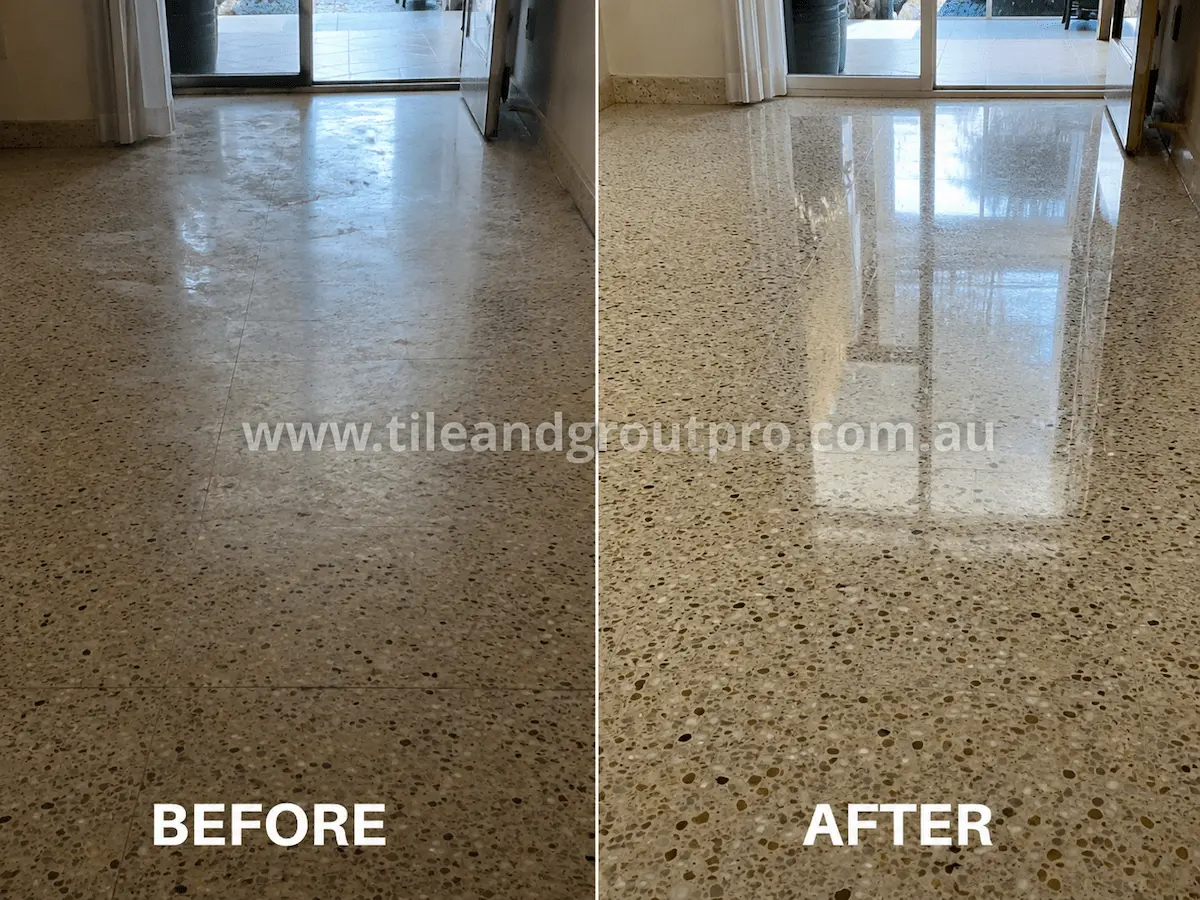
These are not always sold as “sealers”, but they commonly build up like a sealer problem and often have to be stripped off before the surface can be restored properly. They are frequently found on older internal floors, commercial areas and clay-based surfaces.
- Common problems: darkening, black heel marks, sticky feel, patchy shine, rapid re-soiling, maintenance headaches and cloudy appearance.
- Common causes: repeated re-application without full removal, incompatible cleaners, trapped soil and traffic polishing in some areas but not others.
- Difficulty: moderate, but can become high where the build-up is thick and the grout is heavily contaminated.
- Best stripping approach: finish stripping chemistry, agitation, slurry recovery, detail work and final decontamination.
3. Wet look sealers and gloss-enhancing film-forming coatings
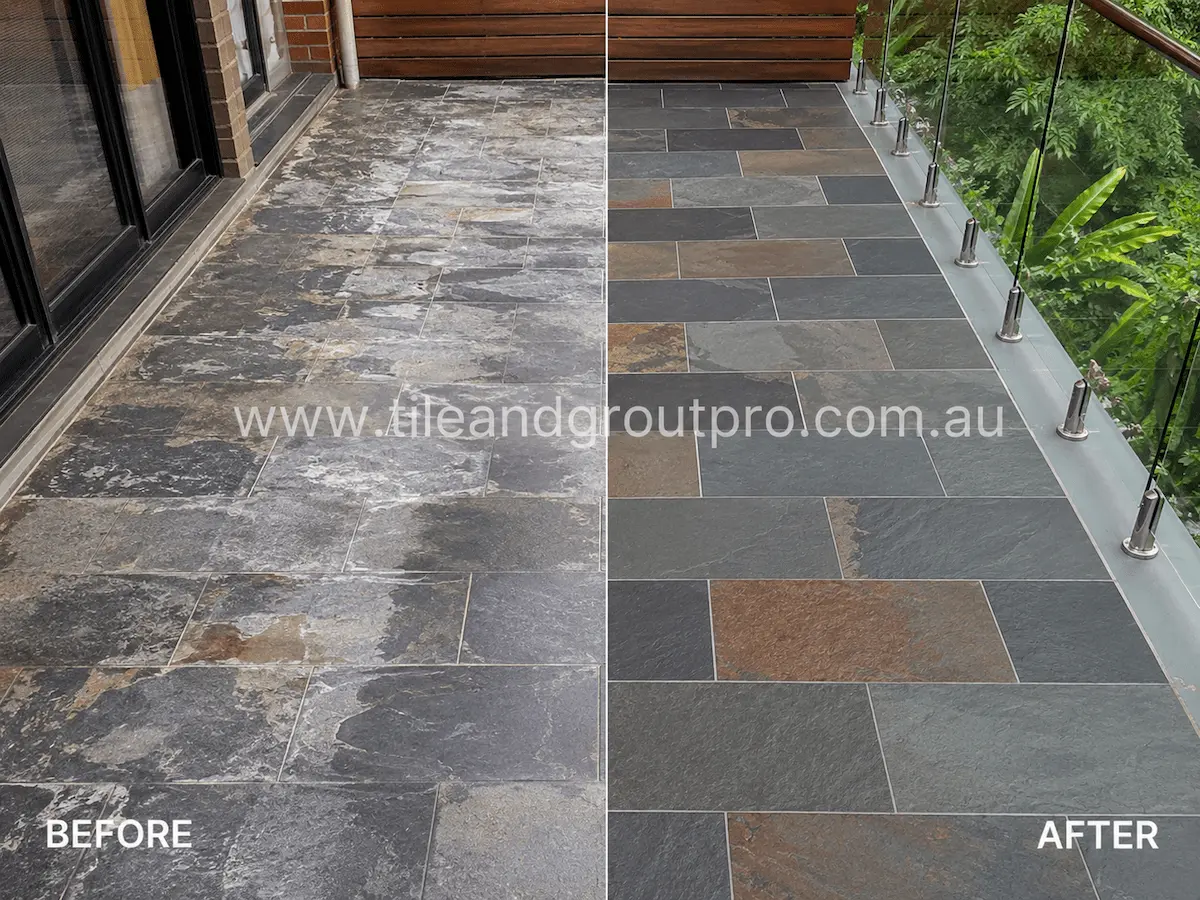
These are often used where the owner wants a darker, richer or glossier appearance on pavers, terracotta, slate or decorative concrete. They can look attractive at first, but when they fail they are one of the most common causes of patchiness, whitening and slippery surfaces.
- Common problems: inconsistent shine, moisture blanching, slipperiness, flaking, yellowing and visible wear paths.
- Suitability: may work in selected situations, but they need realistic maintenance expectations and are not automatically the right choice for every surface or every outdoor area.
- Difficulty: often high on textured pavers, pool surrounds and large exterior surfaces.
4. Penetrating / impregnating sealers that need corrective stripping or removal
Penetrating or impregnating sealers usually sit below the surface rather than forming a thick film, so they do not always “strip” in the same way as a topical coating. However, over-application, wrong product choice, incompatible enhancers, residue left on the surface, blocked pores, failed previous treatment, contamination trapped before sealing or uneven saturation can still create a stripping or corrective-removal job.
- Common problems: sticky patches, residue haze, patchy darkening, poor absorbency, failed resealing, uneven drying, trapped contamination and difficult maintenance.
- Difficulty: highly variable. Some jobs only need residue correction; others need staged chemical work and deep decontamination.
- Common surfaces: natural stone, grout lines, porous pavers, concrete and absorbent clay surfaces.
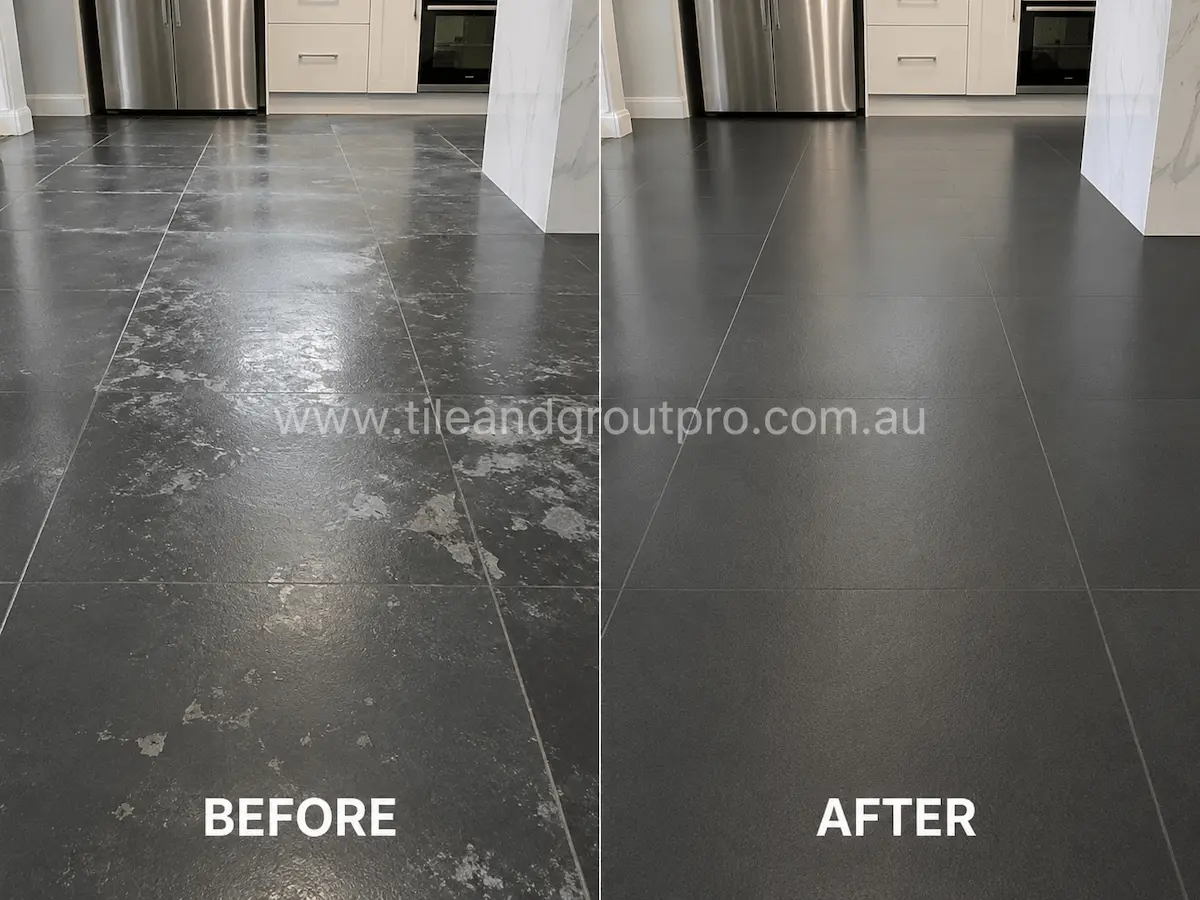
5. Enhancing sealers and colour enhancers
These are used where the client wants a richer, darker or more colour-enhanced appearance, usually without a thick gloss film. When used correctly, they can be effective. When used on the wrong material, applied unevenly or combined with other systems, they can leave dark patches, absorbency differences or a finish the client no longer wants.
- Common problems: blotchiness, inconsistent darkening, patchy enhancement and incompatibility with future sealer choices.
- Common surfaces: slate, sandstone, selected porous stone and some pavers.
6. Solvent-based sealers and solvent-heavy coating systems
These were more common on some older or heavier-duty installations and can still be found on natural stone, pavers and concrete. Some perform well when installed correctly, but they can also create difficult stripping jobs, stronger odours, longer downtime and higher ventilation requirements.
- Common problems: deep darkening, strong odour, difficult removal, residue smearing, sticky failure and more complicated internal work conditions.
- Difficulty: often high, especially in enclosed indoor areas or where multiple coats exist.
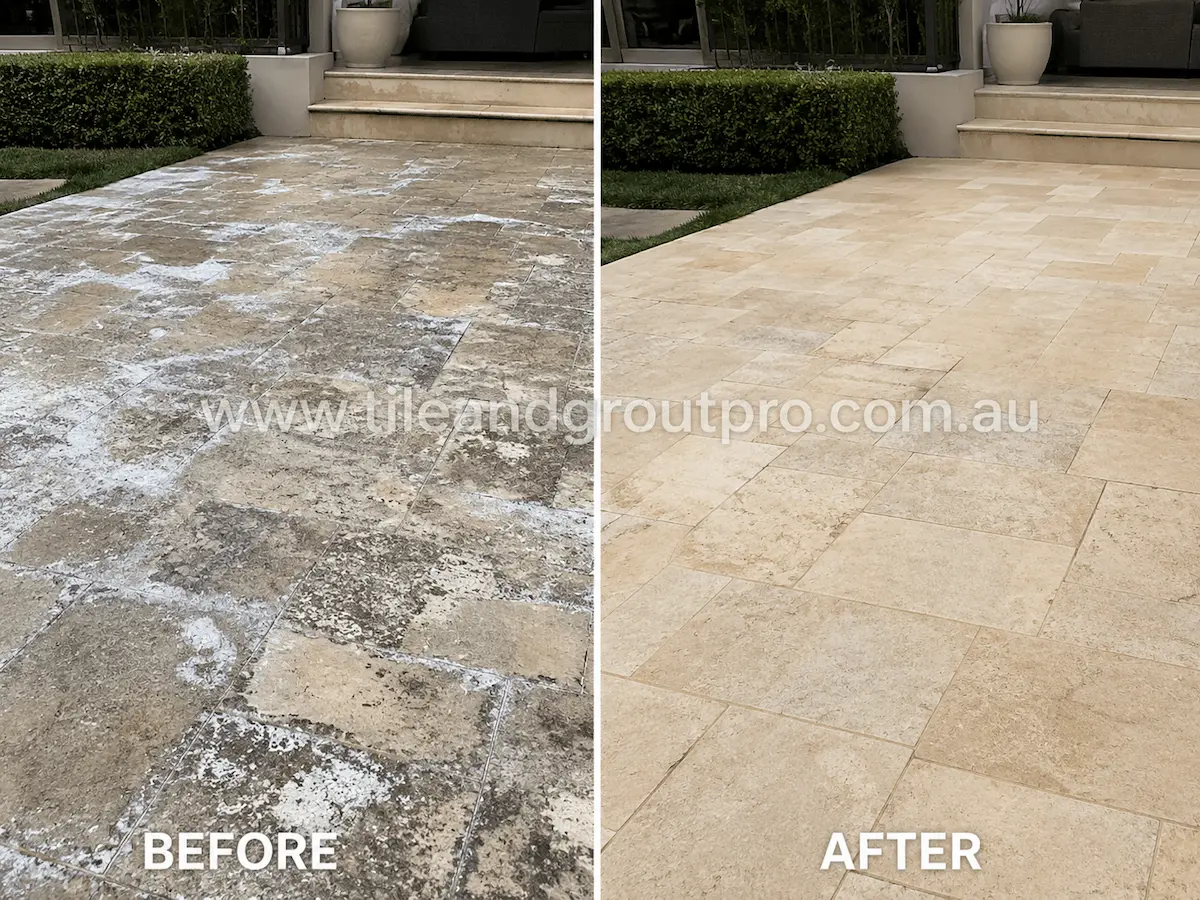
7. Polyurethane, urethane, epoxy and heavier protective coatings
Some commercial floors, garage floors, feature concrete, industrial spaces and specialty installations use harder film-forming coating systems. These are not always common in domestic tile work, but they absolutely appear in the market and can require specialist removal.
- Common problems: delamination, peeling, UV yellowing, wear paths, poor adhesion, trapped moisture and difficult patch repairs.
- Difficulty: often high to very high depending on thickness, age, profile and surface texture.
- Stripping implications: these jobs may require more aggressive chemical softening, mechanical removal, longer dwell time, heavier machinery and a larger downtime window.
8. Cure-and-seal films, concrete sealers and paver coatings
Outdoor concrete, pavers and paving units can carry membrane-forming sealers, wet look coatings, dustproofing films, enhancing systems or maintenance coatings that fail over time. These can go white, patchy, slippery or simply unattractive as exposure, traffic and moisture take their toll.
- Common problems: whitening, clouding, slippery wet performance, tyre marking, hot-tire pickup, UV fade, flaking and poor drainage appearance.
- Difficulty: moderate to high depending on weather exposure, runoff management and coating thickness.
Common symptoms, causes and severity levels we assess
Sealer stripping is not one single problem. It can range from a light residue correction to a full strip, deep clean, repair and reseal project. We assess the visible symptoms, likely causes and severity before recommending the right scope.
- Light severity: recent haze, light residue, isolated sticky patches, minor blotchiness, recent installation issues, small wall areas and mild over-application on dense surfaces.
- Moderate severity: multiple sealer coats, patchy wet look, peeling in traffic lanes, whitening on outdoor areas, dark build-up in grout, uneven enhancement and poor previous reseals.
- Heavy severity: thick acrylic build-up, years of maintenance layers, epoxy or polyurethane wear failure, trapped dirt under coatings, deep residue in textured finishes, large-area external failure and moisture-related delamination.
Typical causes include poor initial surface preparation, sealing a dirty floor, applying a new sealer over an incompatible old one, incorrect coverage rates, too many coats, insufficient drying time, moisture coming from below, harsh cleaning products, soap residue, UV exposure, high traffic, poor ventilation, hard-water deposits, efflorescence, incorrect maintenance advice, and low-quality workmanship from an inexperienced contractor.
Surface-by-surface suitability: floors, walls, wet areas, dry areas, indoors, outdoors and pool surrounds
Indoor dry areas
Living areas, hallways, bedrooms, retail spaces, foyers and office floors often allow better control of dwell time, extraction and dry-down, but they still need protection of skirtings, painted walls, cabinetry, door frames, timber transitions, metal trims and nearby furnishings. Dense porcelain behaves very differently from absorbent terracotta or natural stone, so the stripping method must change accordingly.
Indoor wet areas
Bathrooms, showers, laundries and kitchens often have soap scum, body oils, mould, mineral build-up, hard-water deposits and grout contamination on top of the sealer issue. Wet-area stripping must also consider slip risk, splash control, ventilation, drying time, grout condition and the risk of liquid movement into adjacent rooms or under skirtings. These areas often benefit from stripping followed by deep cleaning, grout treatment and resealing with a breathable penetrating / impregnating system.
Walls, splashbacks and vertical surfaces
Wall stripping requires different chemistry behaviour and much more control. Vertical work often benefits from gel, poultice or cling-style removers that stay in place, along with hand detailing, splash protection and careful rinse management. The risks are different too: drips onto benchtops, cabinet faces, paint, trims, skirting boards, bath edges, shower fittings and adjacent floor finishes all need to be controlled.
Outdoor areas
External stripping on patios, driveways, paths, balconies, alfresco spaces, courtyards and entertainment areas involves weather, drainage, runoff control, surrounding gardens, thresholds, neighbouring surfaces, traffic re-opening times and slip resistance. Outdoor coatings commonly fail due to UV exposure, rain, moisture vapour, leaf tannins, dirt load, algae, mould and repeated thermal movement.
Pool surrounds and next-to-pool areas
Pool surrounds need special attention because appearance and safety matter equally. A finish can look good but still become dangerous when wet if the wrong coating is left behind, partly stripped, overcoated or replaced with the wrong reseal choice. We look closely at texture, slip profile, wet traction, chemical exposure, surrounding drainage and whether the surface needs a breathable natural-look penetrating sealer instead of a film-forming finish.
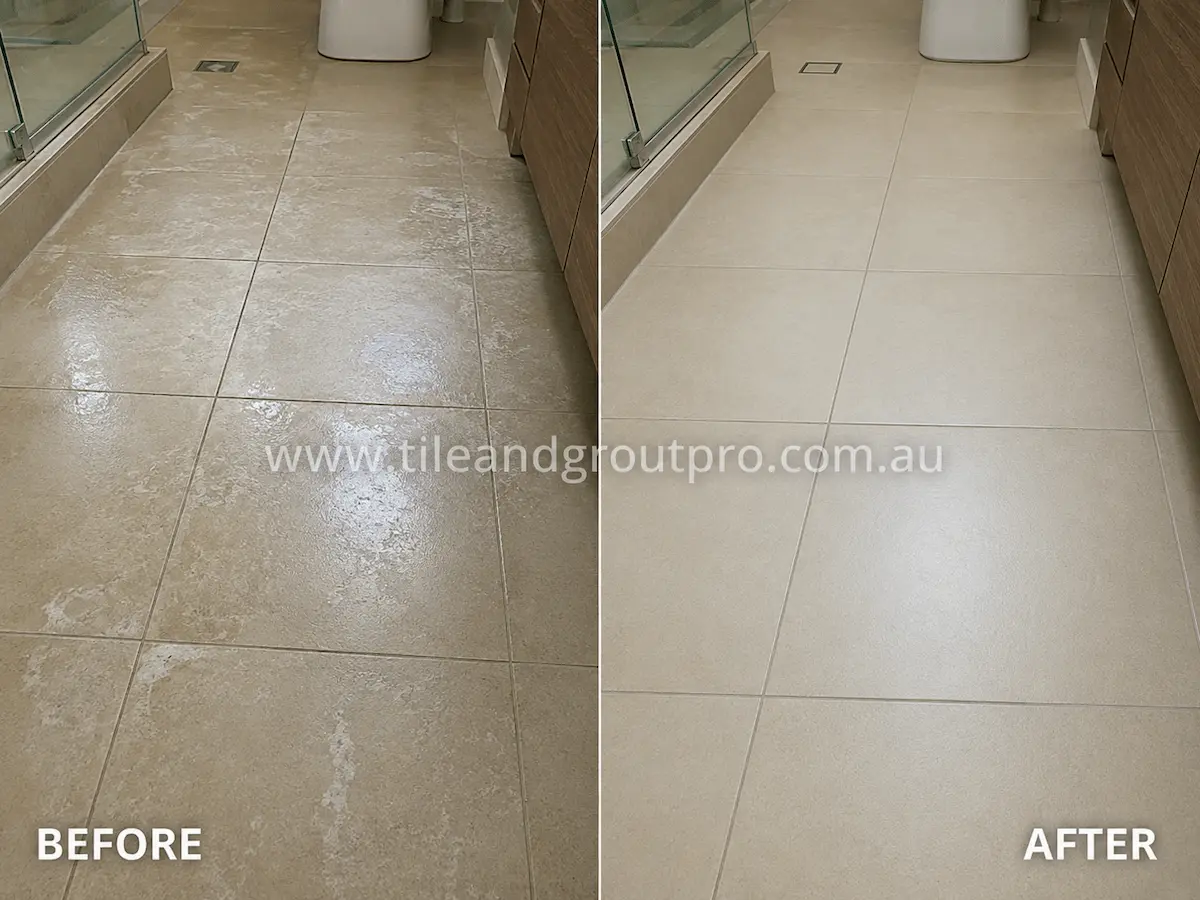
Natural stone compared with ceramic, porcelain and concrete
- Marble, limestone and travertine: more acid-sensitive and more easily damaged by poor chemical choices; stripped with extra care.
- Slate, sandstone, bluestone and some quartzite: often more textured or porous, so residues can lodge deeply and unevenly.
- Granite and dense polished stone: may need residue correction more than film stripping, but product choice still matters.
- Ceramic and porcelain: the tile face may be dense, but grout and texture can retain old residue or failed coating.
- Terracotta, quarry and clay-based tiles: commonly affected by heavy topical coating build-up and often transform dramatically after proper stripping.
- Concrete and pavers: often require a wider weather and slip-risk assessment, especially outdoors.
Products, chemical categories and stripping agents used in the market
You asked for maximum detail, so this is where many pages stop and we go further. Professional sealer stripping can involve a range of product categories, and the correct selection depends on the coating type, the surface below it, the size of the job, the ventilation, the porosity, the texture and what needs to happen after stripping. We do not use one generic chemical on every job.
Chemical and product categories commonly used by professionals
- Alkaline strippers: often used for acrylics, floor finishes, polish build-up, grease-loaded residues and some maintenance films. They can be highly effective but must be chosen and rinsed correctly.
- Solvent-based strippers: often used where heavier or more stubborn films need softening. These can come with stronger odours, higher ventilation requirements and more risk to adjacent finishes if handled carelessly.
- Low-odour solvent alternatives: sometimes selected where interior work conditions or occupied spaces require a more controlled approach, although performance must still match the coating.
- Water-based coating removers: useful for selected coating systems and lower-odour environments, but not automatically strong enough for every failure type.
- Gel strippers and cling removers: valuable on vertical surfaces, stairs, edges, risers, shower walls and areas where a liquid would run away too quickly.
- Paste or poultice-style removers: used where dwell time, precise placement or deeper contamination lift is needed.
- Degreasers and decontamination cleaners: often needed where kitchen oils, body oils, silicone residue, soap scum or general contamination sit on top of or underneath the failed sealer.
- Residue emulsifiers and rinse aids: helpful for breaking down softened coating residue so it can be recovered more completely.
- Neutralisers and pH-balancing rinses: critical after many stripping jobs so the surface is stable and ready for drying assessment and resealing.
- Mineral deposit and hard-water removers: sometimes needed as a separate stage in showers, pool surrounds or exterior areas, but must be selected carefully around acid-sensitive stone.
- Mould and algae treatment products: commonly needed on outdoor paved areas and wet areas before the final reseal.
- Impregnating residue removers: useful where a penetrating sealer has been left on the surface or applied too heavily.
- Adhesive and mastic residue removers: sometimes required where previous repair or renovation products are also part of the problem.
The word “products” in a professional stripping context usually means the correct combination of strippers, emulsifiers, degreasers, neutralisers, rinse agents, absorbent materials, masking products, protective sheeting and post-strip cleaning solutions. Good results come from the right system, not just the strongest bottle.
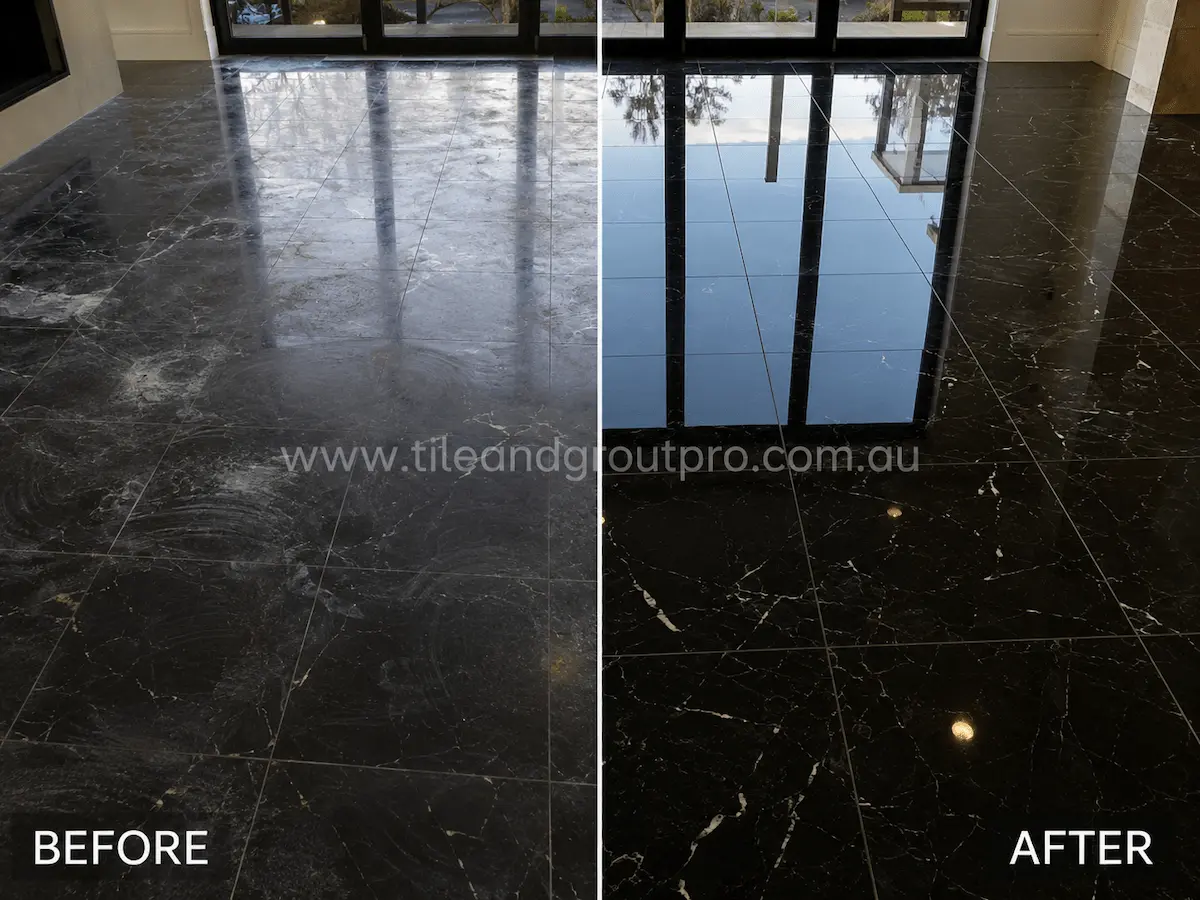
Methods used to strip failed sealer professionally
- Test patching: we identify how the existing sealer reacts before committing to a full-area process.
- Controlled dwell time: the stripping chemistry is allowed to soften the coating without being left so long that it causes secondary damage or drying issues.
- Mechanical agitation: pads, brushes or oscillating tools help break the bond of the coating and lift residue from texture and grout lines.
- Detail hand work: edges, corners, niches, stairs, skirting lines, wall junctions and trims usually need more delicate manual work.
- Slurry recovery and wet extraction: soft residue must be physically removed, not just spread around the floor.
- Rinsing and neutralisation: essential so the next coating or penetrating sealer is not applied over active chemical residue.
- Dry-down and absorbency testing: helps determine whether the surface is truly ready for resealing.
- Mechanical refinement where needed: some stone or concrete surfaces need honing, polishing or other restoration after stripping exposes the real condition underneath.
Machines, equipment and tools used for professional sealer stripping
Because you asked to list the equipment and machines, here is the broader professional picture. Not every job needs every machine, but these are the main categories used across the market for serious stripping work.
- Single-disc rotary scrubbers: a core machine for many floor stripping jobs on internal tile, stone and concrete.
- Weighted floor machines: useful where more downward pressure is needed to break down stubborn build-up.
- Orbital / oscillating floor machines: often preferred on textured surfaces and where a more controlled, flatter action is useful.
- Auto scrubbers: helpful on larger commercial floors for agitation plus recovery in one pass where suitable.
- Wet vacuums and slurry recovery systems: essential for removing dissolved coating, rinse water and residue safely.
- Pressure washers and surface cleaners: suitable on selected external pavers and concrete where runoff can be managed safely.
- Hand scrubbers, grout brushes and edge tools: critical for grout lines, corners, shower edges, stair nosings and wall junctions.
- Scrapers and non-marking blades: sometimes needed for localised heavy build-up.
- Microfibre systems, absorbent pads and cloths: important for wipe-down, edge control and final detailing.
- Sprayers, pump-up applicators and controlled dispensing tools: used to place chemistry accurately without flooding the area.
- Fans, air movers and dehumidifiers: help dry the area after stripping and before resealing, especially indoors.
- Moisture meters and absorbency testing tools: useful to confirm readiness for the next stage.
- Diamond abrasives and restoration equipment: used when stripping reveals etching, scratches, wear or damage that cleaning alone cannot fix.
- Protective masking materials: poly sheeting, edge protection, masking tape, absorbent socks and barriers to protect skirting boards, cabinetry, painted walls, timber, metal and glass.
Different levels of sealer stripping difficulty and likely downtime
Customers often ask, “How hard is this job?” and “How long will the area be out of action?” The honest answer is that difficulty and downtime depend on the surface type, the sealer type, how many coats exist, whether the area is indoors or outdoors, whether the floor is heavily textured, whether skirtings and adjacent finishes need extensive protection, how much detail work is required, and whether stripping is followed by resealing or restoration.
Level 1: light correction and residue removal
- Typical situation: recent haze, light over-application, minor sticky patches, isolated residue on dense tile or polished stone.
- Difficulty: low to moderate.
- Typical downtime: from a few hours to the same day, depending on area size and whether a new sealer is also applied.
- Common areas: walls, splashbacks, bathrooms, polished stone, porcelain and recent installations.
Level 2: full strip and deep decontamination
- Typical situation: peeling acrylic, patchy wet look sealer, old floor polish, whitening, yellowing, sticky finish or grout contamination.
- Difficulty: moderate to high.
- Typical downtime: often one day to a couple of days, depending on area size, drying, occupancy and resealing sequence.
- Common areas: kitchens, living areas, retail areas, pavers, terracotta, quarry tiles, older internal floors and exterior entertainment areas.
Level 3: heavy strip, restoration and reseal
- Typical situation: years of build-up, multiple incompatible coatings, heavy outdoor failure, epoxy or polyurethane coating problems, severe moisture issues, or stripping that exposes deeper wear, damage or etching.
- Difficulty: high to very high.
- Typical downtime: can extend to multiple days depending on weather, ventilation, drying, repairs, restoration and curing of the new sealer system.
- Common areas: large homes, strata common areas, commercial sites, pool surrounds, balconies, patios, driveways and premium natural stone floors.
We always prefer to give a realistic expectation rather than a misleadingly short one. Fast is not the same as correct. Proper drying, neutralising and inspection often make the difference between a reseal that lasts and a reseal that fails early.
Risks, damage and side effects that must be managed properly
This is one of the most important parts of the page, because professional sealer stripping is about managing risk as much as removing old product. A surface can be made worse very quickly by an inexperienced operator.
- Etching risk on calcium-based stone: marble, limestone and travertine can lose finish if the wrong chemistry is used.
- Softening or damaging grout joints: aggressive stripping, over-wetting or poor rinse control can weaken grout or leave it contaminated.
- Patchy or incomplete removal: leaving islands of old sealer behind leads to blotchy resealing and poor absorbency.
- Residue re-deposit: dissolved coating that is not extracted properly can simply settle back into texture, grout or corners.
- Slip-risk increase: partly stripped coatings and residue films can become dangerously slippery, especially in wet areas and pool surrounds.
- Moisture problems: flooding a surface, especially in wet areas, balconies, around thresholds or on moisture-sensitive substrates, can create new issues.
- Odour and ventilation issues: more relevant with stronger stripping chemistry or enclosed indoor spaces.
- Colour change or shading differences: some surfaces reveal their true condition only after stripping, including previous damage, differential absorbency or old staining.
- Damage to adjacent finishes: timber, cabinetry, skirtings, painted walls, plasterboard, stone benchtops, appliances, metal trims, silicone joints, waterproofing details and glass can all be affected if they are not protected properly.
Skirting boards, trims and surrounding-finish risk
Because you specifically mentioned skirting boards, it is worth emphasising this separately. Sealer stripping near skirting boards, architraves, kickboards, cabinet ends, built-in joinery, painted walls, timber thresholds and metal trims demands real care. Stronger chemicals can mark paint, swell MDF-based skirting, stain timber, soften adhesives, leave tide lines, damage caulking or wick into porous materials if the area is not masked and controlled properly. One of the biggest differences between an experienced stripping company and an inexperienced one is how carefully the surrounding surfaces are protected before the actual stripping begins.
What can happen if you choose an inexperienced company
We are often called after failed DIY attempts and failed contractor attempts where the client was promised a “quick strip and seal” but ended up with a more expensive correction job. Problems caused by inexperienced operators regularly include:
- Wrong diagnosis: mistaking a penetrating sealer issue for a topical coating issue, or vice versa.
- Using generic chemicals: one-size-fits-all stripping without regard to stone type, texture, grout condition or occupancy.
- Poor protection of adjacent finishes: skirting boards, paint, cabinetry, trims, appliances and timber affected by splash, drips or wicking.
- Flooding the floor: leaving excessive moisture, especially in wet areas, at thresholds and around wall junctions.
- Insufficient extraction: dissolved residue pushed around rather than fully removed.
- Immediate resealing over active residue: one of the fastest ways to create another failure.
- Ignoring slip resistance: especially risky around showers, exterior paving and pool surrounds.
- Underestimating the job: low quotes, rushed labour and a result that looks better for a week but fails again quickly.
That is exactly why our customers choose Tile and Grout Pro in Lower North Shore. We bring years and years of hands-on experience, thousands of successful jobs completed, a large experienced team that can assist with all job sizes, and the practical judgment to choose the right method for the actual surface instead of guessing.
Why clients trust Tile and Grout Pro in Lower North Shore
We are a service company, not a product warehouse pretending to be a contractor. Our job is to inspect the real problem, explain the risks honestly, recommend the safest and most effective stripping path, carry out the work carefully and then guide you into the most suitable resealing or restoration system. Some jobs only need corrective stripping and a premium penetrating sealer. Some need grout repair first. Some need stone restoration, honing, polishing or pressure cleaning as part of the sequence. Some outdoor clay-based or decorative surfaces still suit a topical finish for appearance or maintenance reasons. The value we bring is knowing the difference.
- Thousands of successful jobs: experience across homes, apartments, strata buildings, retail sites, hospitality venues and commercial properties.
- Large experienced team: available for one room, one shower, one alfresco area, or multi-area projects across large properties.
- Real surface expertise: tile, grout, stone, pavers, walls, floors, internal and external hard surfaces.
- Correct method selection: choosing between strip only, strip and deep clean, strip and restore, or strip and reseal.
- Stronger long-term outcomes: because the work is based on diagnosis, not guesswork.
After stripping, what sealer do we usually recommend?
In most cases, after professional stripping, cleaning and proper dry-down, we strongly recommend a water-based penetrating / impregnating sealer rather than going straight back to another heavy topical film. That is especially true for many natural stone surfaces, grout joints, pavers, porous tiles, pool surrounds and outdoor areas where breathability, lower odour, lower maintenance and better long-term practicality matter. In our view, the best recommended sealer range for future sealing is Deepshield, and we regularly recommend it where the surface and finish requirements suit it.
For local clients in Lower North Shore, we can also help with tile and grout sealing in Lower North Shore, stone restoration in Lower North Shore, tile and grout cleaning in Lower North Shore, tile regrouting in Lower North Shore, tile repair in Lower North Shore and high pressure cleaning in Lower North Shore where the surface also needs cleaning, repairs or restoration before resealing.
When we recommend Deepshield after stripping
- Deepshield GOLD Transparent Penetrating Sealer: our premium recommendation where the surface is denser, refined or highly polished, or where the client wants invisible breathable protection with strong stain resistance on interior or exterior natural stone, tile and grout. View Deepshield GOLD in a new tab.
- Deepshield Transparent Penetrating Sealer: our go-to recommendation where a breathable natural-look finish is preferred on porous stone, grout, pavers, terracotta, concrete and many absorbent surfaces indoors or outdoors. View Deepshield Transparent in a new tab.
- Deepshield Colour Enhancing Penetrating Sealer: suitable where the client wants richer, darker colour enhancement without a heavy topical film, on appropriate porous surfaces. View Deepshield Colour Enhancing in a new tab.
- Deepshield Penetrating Grout Sealer: recommended for grout joints when grout-specific protection is required as part of the resealing stage. View Deepshield Grout Sealer in a new tab.
Important: we do not force the same sealer onto every surface. There are times when a topical sealer or visible film-forming finish may still be the right recommendation — for example where the client specifically wants a sacrificial coating, a visible sheen, a richer wet-look appearance, a particular maintenance regime, dustproofing on selected porous concrete, or a finish style that a penetrating / impregnating sealer will not provide. Our role is to explain the pros and cons clearly and recommend the most suitable system, not the most generic one.
Frequently asked questions about professional sealer stripping in Lower North Shore
Can you strip sealers from both floors and walls?
Yes. We strip sealers and coatings from floors, walls, stairs, risers, showers, splashbacks, balconies, paths, pool surrounds, patios, driveways, entries and many other hard surfaces. The method changes depending on whether the surface is horizontal or vertical and whether it is inside or outside.
Can all penetrating sealers be completely stripped out?
Not always in the same way a topical acrylic film can be stripped. Some penetrating / impregnating systems are corrected rather than simply peeled off, especially where the issue is residue, over-application, contamination under the sealer or failed compatibility. That is why testing and diagnosis matter.
How long before the area can be used again?
Light corrective stripping may reopen the same day, while heavier strip-and-reseal jobs can take one or more days depending on drying, weather, ventilation, job size, repairs and the curing requirements of the new sealer. We will explain the likely downtime clearly once we inspect the surface.
Do you always recommend resealing after stripping?
In most cases, yes. Once the failed coating or residue is removed, the surface often needs a more suitable protective system. For many surfaces, our preference is a breathable water-based penetrating / impregnating sealer, especially Deepshield, unless a topical system is genuinely the better fit for the desired outcome.
What if the old sealer was hiding damage?
That happens often. Old coatings can hide etching, scratches, wear, grout loss, stain patterns and uneven absorbency. Where that occurs, we can also advise on the next stage, whether that is cleaning, grout repair, tile repair, diamond honing, polishing, restoration or the right resealing system.
Call now for expert sealer stripping in Lower North Shore
If your tiles, grout, pavers, natural stone or concrete have old sealer build-up, failed coating, sticky residue, whitening, peeling, patchy darkening, cloudy finish, wet look failure, grout haze, oxidised polish, slippery build-up or a previous strip-and-seal job that did not last, do not leave it to get worse. The sooner the surface is correctly diagnosed, the more likely it is that we can save time, protect the substrate and recommend the most cost-effective path forward.
Call Tile and Grout Pro on 1300 880 703 now for a free quote, or send us a message through our contact form. We provide professional sealer stripping in Lower North Shore for indoor and outdoor surfaces, floors and walls, wet and dry areas, pool surrounds, driveways, patios, bathrooms, kitchens, laundries, commercial entries and more, and our experienced team is ready to help you choose the best products, methods and future sealer system for your surface.
Call now or enquire online for professional sealer stripping, coating removal, strip and reseal, tile sealer stripping, stone sealer stripping, paver sealer removal and concrete sealer removal in Lower North Shore. We cover all suburbs, all property sizes and all job sizes, and we deliver expert advice, careful workmanship and long-term solutions. We cover all Sydney suburbs and all Lower North Shore area.
Our Services
Professional tile cleaning, sealing, and restoration services for all types of surfaces
We provide specialised cleaning & sealing solutions for all types of floor and wall tiles
To schedule your appointment or to obtain a free estimate, please Call 1300 880 703 or use our online enquiry form.

Marble
- Marble Cleaning in Lower North Shore
- Marble Sealing in Lower North Shore
- Marble Polishing in Lower North Shore
- Marble Honing in Lower North Shore
- Marble Grinding in Lower North Shore
- Marble Resurfacing in Lower North Shore
- Marble Scratch Removal in Lower North Shore
- Marble Renewal in Lower North Shore
- Marble Regrouting in Lower North Shore
- Marble Repairing in Lower North Shore
- Marble Restoration in Lower North Shore
- Marble Stripping in Lower North Shore

Travertine
- Travertine Cleaning in Lower North Shore
- Travertine Sealing in Lower North Shore
- Travertine Polishing in Lower North Shore
- Travertine Honing in Lower North Shore
- Travertine Grinding in Lower North Shore
- Travertine Resurfacing in Lower North Shore
- Travertine Scratch Removal in Lower North Shore
- Travertine Renewal in Lower North Shore
- Travertine Regrouting in Lower North Shore
- Travertine Repairing in Lower North Shore
- Travertine Restoration in Lower North Shore
- Travertine Stripping in Lower North Shore
Limestone
- Limestone Cleaning in Lower North Shore
- Limestone Sealing in Lower North Shore
- Limestone Polishing in Lower North Shore
- Limestone Honing in Lower North Shore
- Limestone Grinding in Lower North Shore
- Limestone Resurfacing in Lower North Shore
- Limestone Scratch Removal in Lower North Shore
- Limestone Renewal in Lower North Shore
- Limestone Regrouting in Lower North Shore
- Limestone Repairing in Lower North Shore
- Limestone Restoration in Lower North Shore
- Limestone Stripping in Lower North Shore

Granite
- Granite Cleaning in Lower North Shore
- Granite Sealing in Lower North Shore
- Granite Polishing in Lower North Shore
- Granite Honing in Lower North Shore
- Granite Grinding in Lower North Shore
- Granite Resurfacing in Lower North Shore
- Granite Scratch Removal in Lower North Shore
- Granite Renewal in Lower North Shore
- Granite Regrouting in Lower North Shore
- Granite Repairing in Lower North Shore
- Granite Restoration in Lower North Shore
- Granite Stripping in Lower North Shore

Bluestone
- Bluestone Cleaning in Lower North Shore
- Bluestone Sealing in Lower North Shore
- Bluestone Polishing in Lower North Shore
- Bluestone Honing in Lower North Shore
- Bluestone Grinding in Lower North Shore
- Bluestone Resurfacing in Lower North Shore
- Bluestone Scratch Removal in Lower North Shore
- Bluestone Renewal in Lower North Shore
- Bluestone Regrouting in Lower North Shore
- Bluestone Repairing in Lower North Shore
- Bluestone Restoration in Lower North Shore
- Bluestone Stripping in Lower North Shore

Terrazzo
- Terrazzo Cleaning in Lower North Shore
- Terrazzo Sealing in Lower North Shore
- Terrazzo Polishing in Lower North Shore
- Terrazzo Honing in Lower North Shore
- Terrazzo Grinding in Lower North Shore
- Terrazzo Resurfacing in Lower North Shore
- Terrazzo Scratch Removal in Lower North Shore
- Terrazzo Renewal in Lower North Shore
- Terrazzo Regrouting in Lower North Shore
- Terrazzo Repairing in Lower North Shore
- Terrazzo Restoration in Lower North Shore
- Terrazzo Stripping in Lower North Shore


Pavers
- Pavers Cleaning in Lower North Shore
- Brick Pavers Sealing in Lower North Shore
- Concrete Pavers Sealing in Lower North Shore
- Pavers Repairing in Lower North Shore
- Brick Pavers Repairing in Lower North Shore
- Concrete Pavers Repairing in Lower North Shore
- Clay Pavers Repairing in Lower North Shore
- Natural Stone Pavers Repairing in Lower North Shore
- Porcelain Pavers Repairing in Lower North Shore
- Interlocking Pavers Repairing in Lower North Shore
- Brick Pavers Renewal in Lower North Shore
- Concrete Pavers Renewal in Lower North Shore

Sandstone
- Sandstone Cleaning in Lower North Shore
- Sandstone Sealing in Lower North Shore
- Sandstone Polishing in Lower North Shore
- Sandstone Honing in Lower North Shore
- Sandstone Grinding in Lower North Shore
- Sandstone Resurfacing in Lower North Shore
- Sandstone Scratch Removal in Lower North Shore
- Sandstone Renewal in Lower North Shore
- Sandstone Regrouting in Lower North Shore
- Sandstone Repairing in Lower North Shore
- Sandstone Restoration in Lower North Shore
- Sandstone Stripping in Lower North Shore

Slate
- Slate Cleaning in Lower North Shore
- Slate Sealing in Lower North Shore
- Slate Polishing in Lower North Shore
- Slate Honing in Lower North Shore
- Slate Grinding in Lower North Shore
- Slate Resurfacing in Lower North Shore
- Slate Scratch Removal in Lower North Shore
- Slate Renewal in Lower North Shore
- Slate Regrouting in Lower North Shore
- Slate Repairs in Lower North Shore
- Slate Restoration in Lower North Shore
- Slate Stripping in Lower North Shore
Terracotta

Porcelain
- Porcelain Cleaning in Lower North Shore
- Porcelain Sealing in Lower North Shore
- Porcelain Polishing in Lower North Shore
- Porcelain Renewal in Lower North Shore
- Porcelain Regrouting in Lower North Shore
- Porcelain Repairing in Lower North Shore
- Porcelain Restoration in Lower North Shore
- Porcelain Stripping in Lower North Shore
- Porcelain Scratch Removal in Lower North Shore


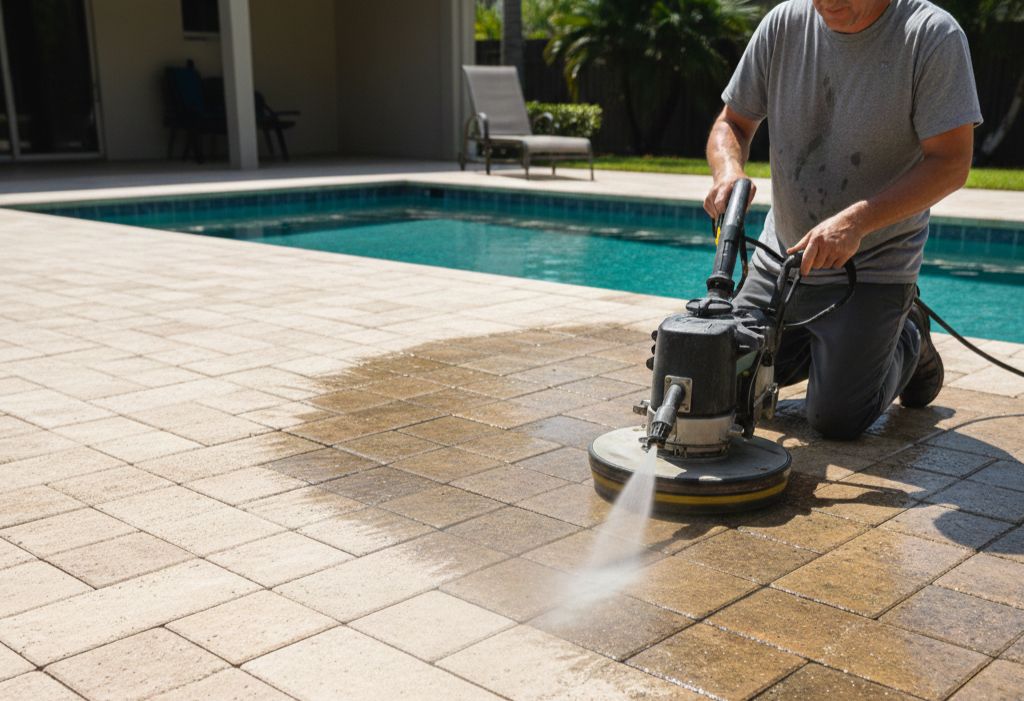
Professional Equipment & Tools
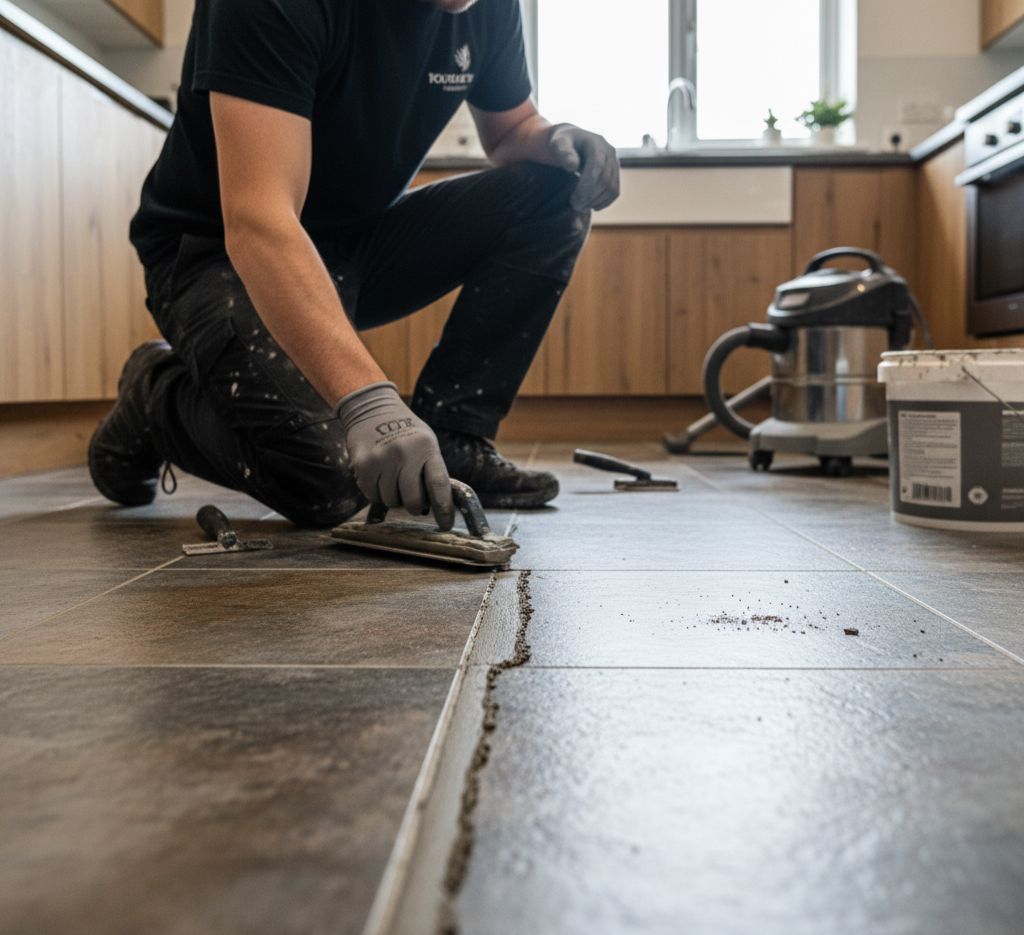
We use commercial-grade machines and specialist tools to deliver deep cleaning and restoration results.


Customer Testimonials
At Tile And Grout Pro, our goal is to be ever-responsive, giving each client personalized service and a beautiful end result.
Outstanding Tile & Grout Transformation
"From the first inspection to the final clean-up, Tile & Grout Pro were professional, responsive, and extremely thorough. Our tiles and grout look better than they did when they were first installed. The team explained the process clearly and delivered an amazing result. We couldn’t be happier and highly recommend their tile and grout cleaning services. "
Grout Colour Sealing Made a Huge Difference
"I never realised how much grout colour sealing could completely transform a floor until Tile & Grout Pro worked their magic. The difference is incredible — our entire home looks brighter and cleaner. The team were knowledgeable, friendly, and clearly take pride in their work. We’ll be recommending Tile & Grout Pro to everyone we know. "
Kitchen Tiles Look Brand New Again
"Our kitchen tiles and grout were years old and extremely dirty. We tried everything, but nothing worked. Tile & Grout Pro cleaned and restored them, and the result is unbelievable — it honestly looks like a brand new floor. Their professionalism and attention to detail really stood out. "
Professional Bathroom Regrouting & Mould Removal
"We had badly stained grout, mould issues, and cracked silicone in our bathroom. Tile & Grout Pro regrouted the shower, replaced the silicone joints, and treated the mould. The bathroom now looks fresh, hygienic, and modern again. Excellent workmanship and great customer service. "
"Tile & Grout Pro restored our natural stone floors through grinding, honing, and polishing, and the results are stunning. The floors have a beautiful, even finish and look brand new. The team were punctual, respectful, and clearly experts in stone restoration. Worth every cent. "
Reliable, Honest & High-Quality Work
"We’ve used Tile & Grout Pro for tile cleaning, sealing, and ongoing maintenance, and they’ve been outstanding every time. Their attention to detail, honest advice, and high-quality results set them apart from other companies. If you want your tiles properly restored, this is the team to call. "