
Cleaning, Sealing & Restoration Specialists

Travertine Polishing Kingston - Melbourne
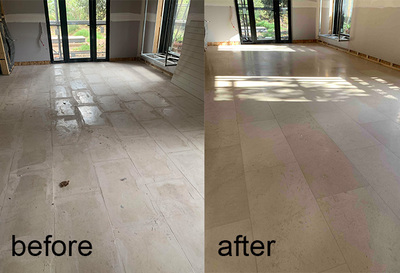
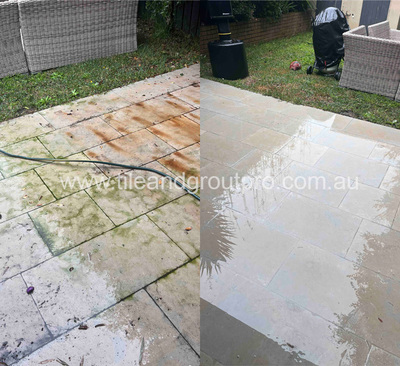
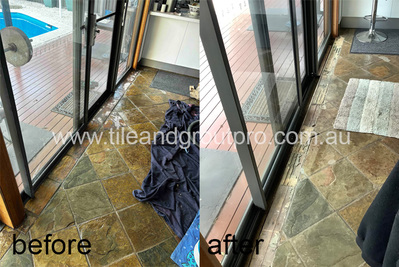
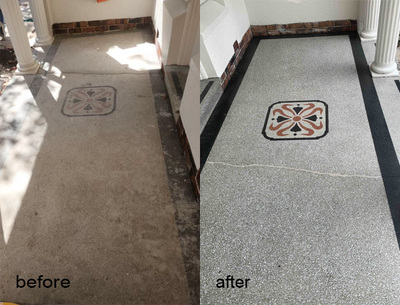
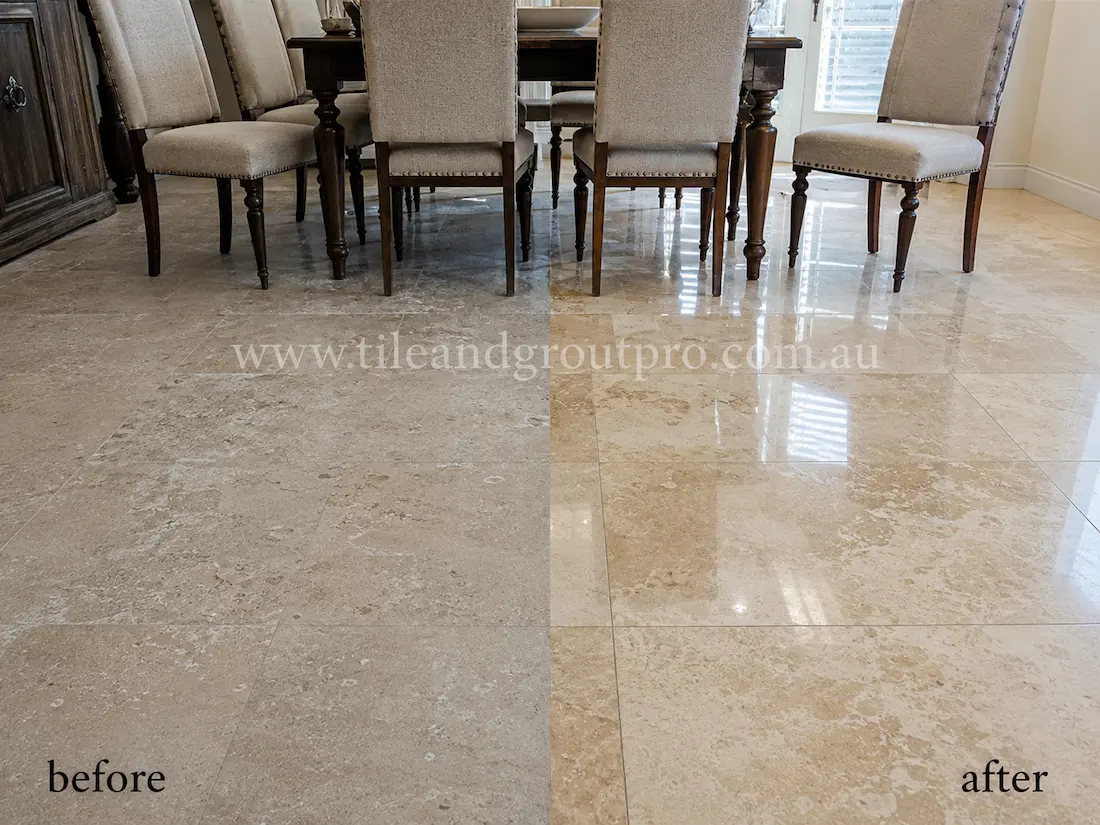
We provide specialist travertine polishing in Kingston for clients who want a cleaner, richer and more refined finish on natural stone surfaces. Our work is designed for surfaces that have become dull, patchy, lightly scratched, etched, visually flat or simply tired after years of use. Because we also handle Kingston surface care across Kingston and surrounding areas, we can advise whether the best path is travertine honing, travertine grinding, travertine resurfacing, full travertine restoration or true polishing to a higher sheen.
What travertine polishing is used for in Kingston
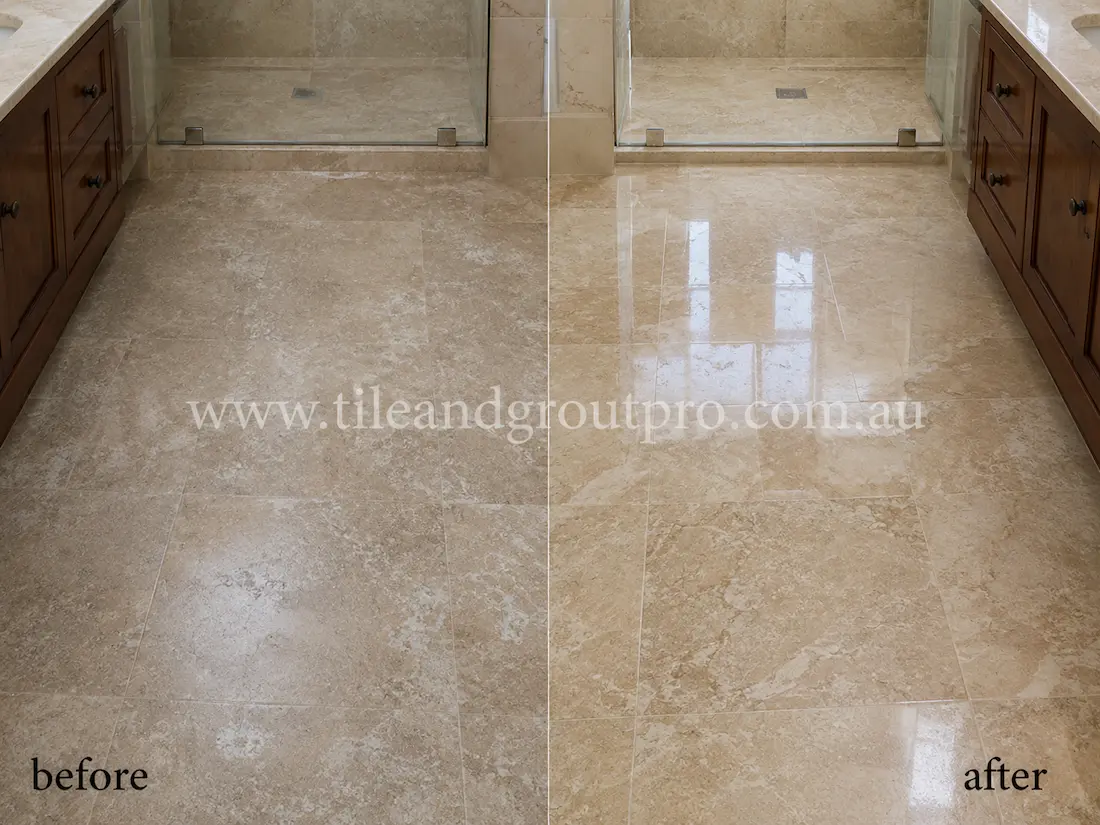
Travertine has natural voids and fill zones, so polishing may also involve filling, blending and careful refinement to keep the finish even and convincing. We regularly polish filled travertine, unfilled travertine, honed travertine, polished travertine, cream travertine, silver travertine, walnut travertine and cross-cut or vein-cut travertine used in floors, bathrooms, showers, entries, hallways, vanities, stairs and selected interior feature areas. Depending on the starting condition, polishing may be the final refinement step after honing, or part of a larger corrective program that starts with grinding or resurfacing. The aim is not just “shine” for the sake of shine. The aim is a controlled finish level that suits the material, the traffic, the slip expectations, the maintenance goals and the look the client actually wants.
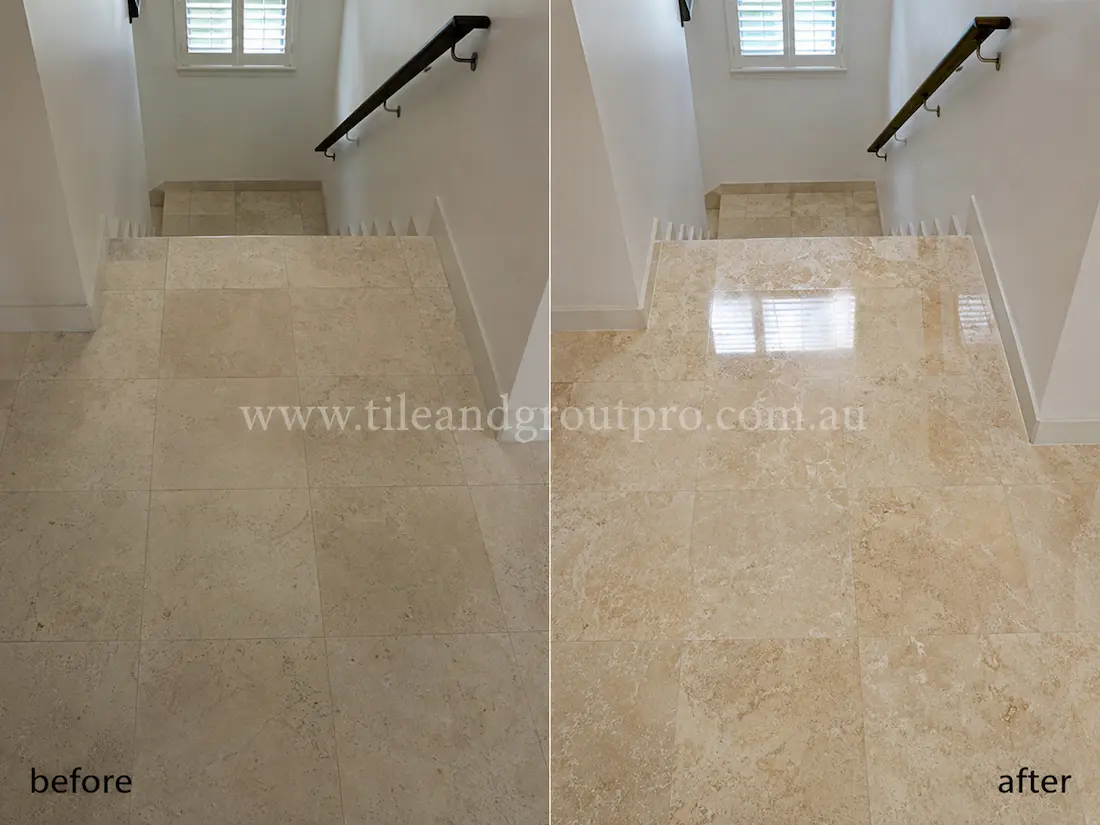
The difference between polishing, honing, grinding and resurfacing
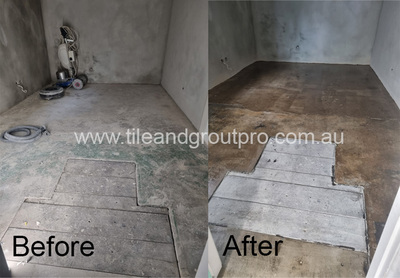
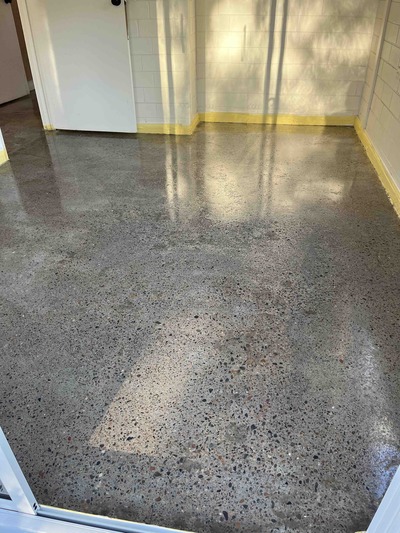
Polishing is the refinement stage that increases sheen, clarity and reflectivity once the surface has been prepared correctly. Honing leaves a smooth matte, satin or low-sheen finish and is often the preparation stage before higher-sheen polishing. Grinding is more aggressive and is used to remove deeper damage, lippage, unevenness and heavier scratches. Resurfacing is the broader corrective renewal process that may include grinding, honing and polishing across a wider area. Some jobs only need polishing, some need honing first, and some need more corrective work before a polished finish will look clean and even.
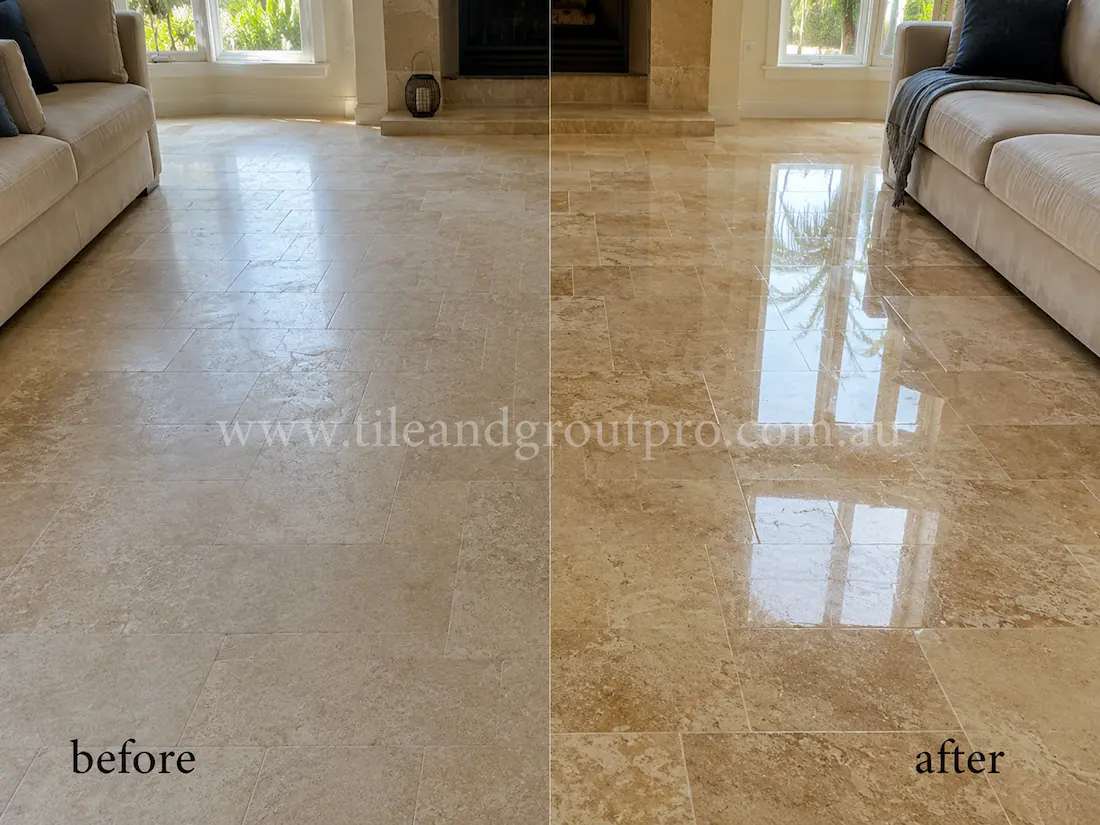
Polishing grades, finish levels and why process control matters
Travertine polishing is never a one-speed, one-pad process. We can tailor the finish to suit the material, the existing condition, the level of wear or dullness, the client’s visual goals, the maintenance expectations, the traffic levels and the way the area is actually used. That means we can help clients choose a finish that is practical as well as beautiful, rather than forcing every surface into the same high-shine result.
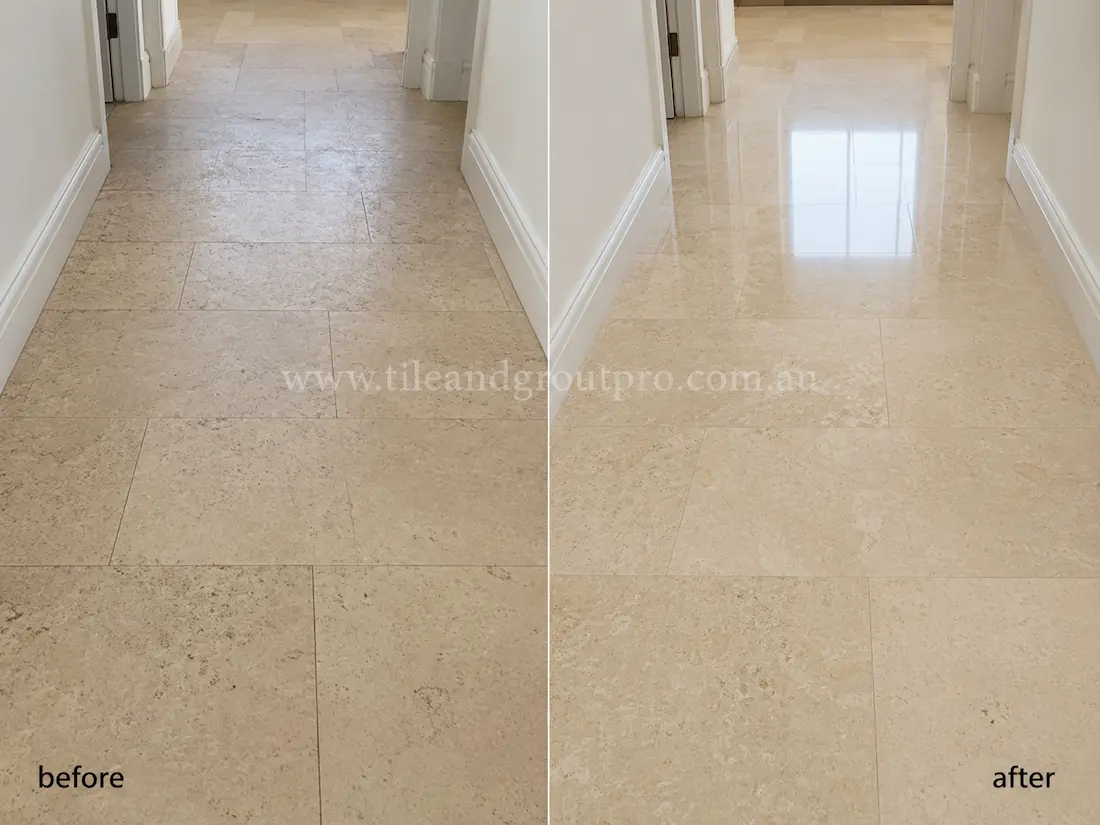
Common polishing finish options we can provide
- Low-sheen finish: ideal for clients who want a cleaner, more refined look without strong reflection. This is often a practical option where a softer appearance, easier day-to-day presentation and a less “showy” finish are preferred.
- Soft sheen finish: a step up from a flat or honed appearance, giving the surface a gentle lift in light reflection while still looking natural and controlled.
- Satin finish: one of the most popular options because it balances elegance with practicality. A satin finish gives more depth and richness than a honed finish without pushing the surface all the way to strong gloss.
- Semi-gloss finish: a brighter, more decorative result for clients who want the surface to look more premium and more obviously refined while still remaining more forgiving than a full high-gloss result.
- Gloss finish: suited to surfaces and settings where stronger shine, clearer light reflection and a more luxurious appearance are desired.
- High-gloss finish: for clients who want maximum visual impact, stronger colour depth and a more prestige presentation, provided the material and existing condition support it.
- Mirror-style finish: where technically appropriate, we can develop a highly reflective finish that gives the surface a crisp, premium look. This is not suitable for every material or every site, so we assess the stone carefully before recommending it.
- Natural refined finish: a more understated finish for clients who want the surface to look cleaner, richer and more professionally maintained without an overtly glossy result.
- Enhanced polished finish: ideal where the goal is to bring out more visual depth, richer colour and stronger elegance in a premium interior or feature area.
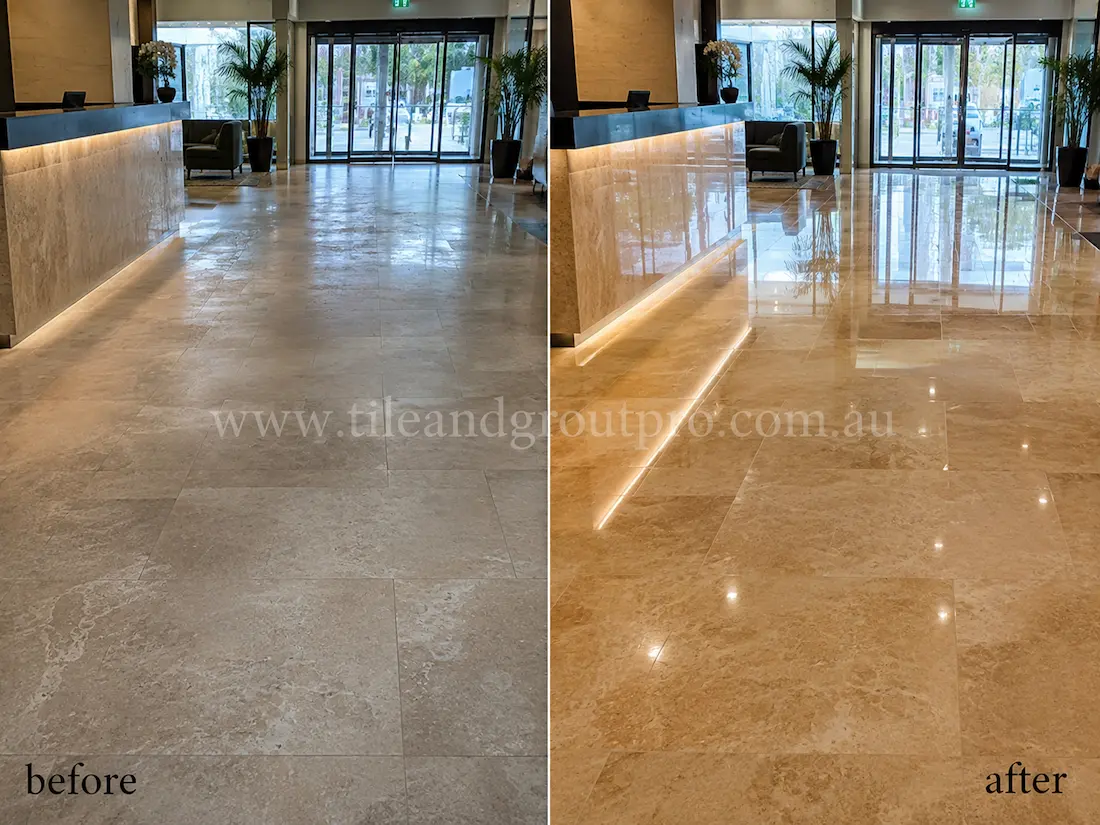
How we help you choose the right polishing level
- For practical everyday use: low-sheen, soft sheen and satin finishes are often the most forgiving and easiest to live with.
- For premium presentation: semi-gloss, gloss and higher-gloss finishes can dramatically improve first impressions and make a room feel brighter, richer and more luxurious.
- For lower visual maintenance: softer finishes generally show marks, residue and traffic wear less aggressively than stronger reflective finishes.
- For high-end interiors: stronger gloss levels can be perfect in foyers, formal living areas, prestige bathrooms, feature spaces, hotels, showrooms and premium commercial settings.
- For clients unsure what to choose: we explain the differences clearly and recommend the finish level that best suits the appearance, practicality, safety, maintenance and long-term expectations of the site.
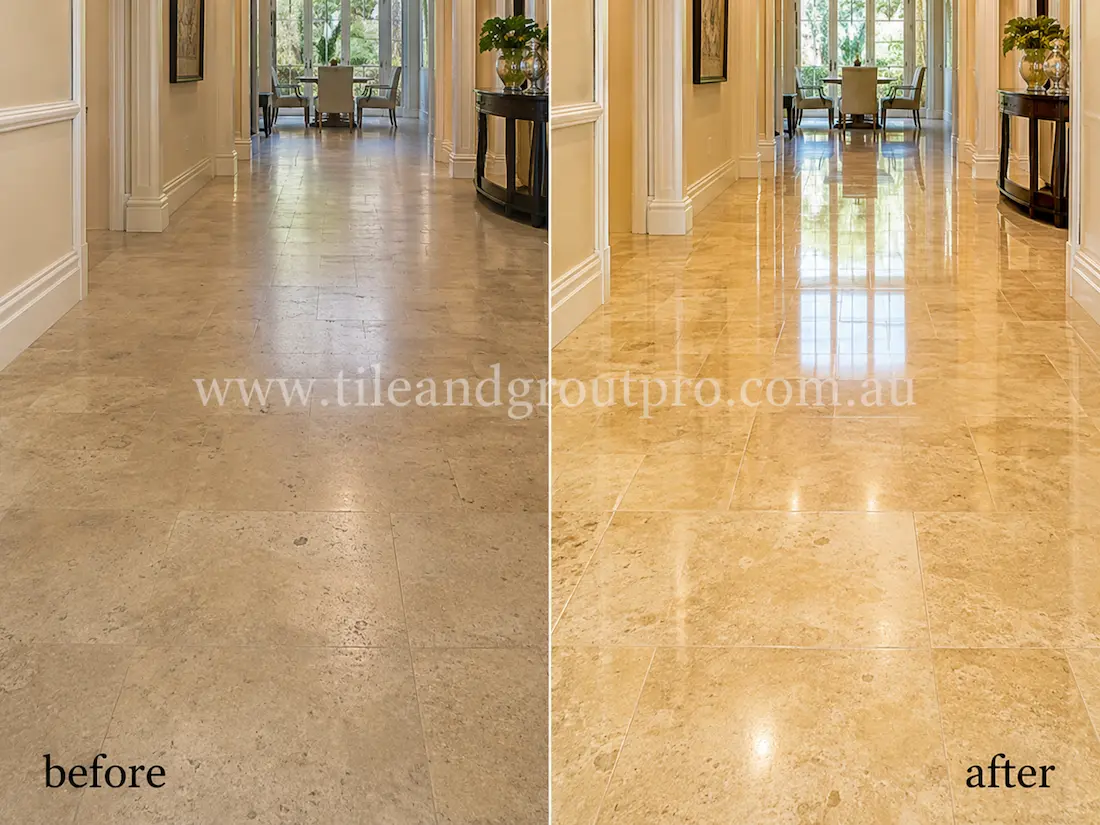
Polishing grade progression and refinement stages
- Initial assessment: we first assess whether the surface actually needs polishing only, or whether it first needs cleaning, scratch correction, honing, grinding, resurfacing or broader restoration work.
- Early preparation and correction stages: these stages remove dullness, light damage, inconsistent wear and the finer scratch patterns that would otherwise stop the final finish from developing properly.
- Mid-refinement stages: this is where clarity begins to build. Each stage reduces the scratch pattern left by the previous stage and creates a more even foundation for the final polish.
- Pre-polishing refinement: a critical step that determines whether the final surface looks clean and premium or whether it ends up hazy, patchy or uneven under light.
- High-grit polishing stages: these stages develop the actual finish level, whether that is satin, semi-gloss, gloss or a more mirror-like finish where appropriate.
- Ultra-fine finishing stages: where suitable, we use finer polishing steps to increase clarity, depth and reflectivity and create a more complete premium result.
- Final inspection and finish matching: we check the finish across the whole area so the result looks controlled, consistent and professionally balanced, not patchy or overworked.
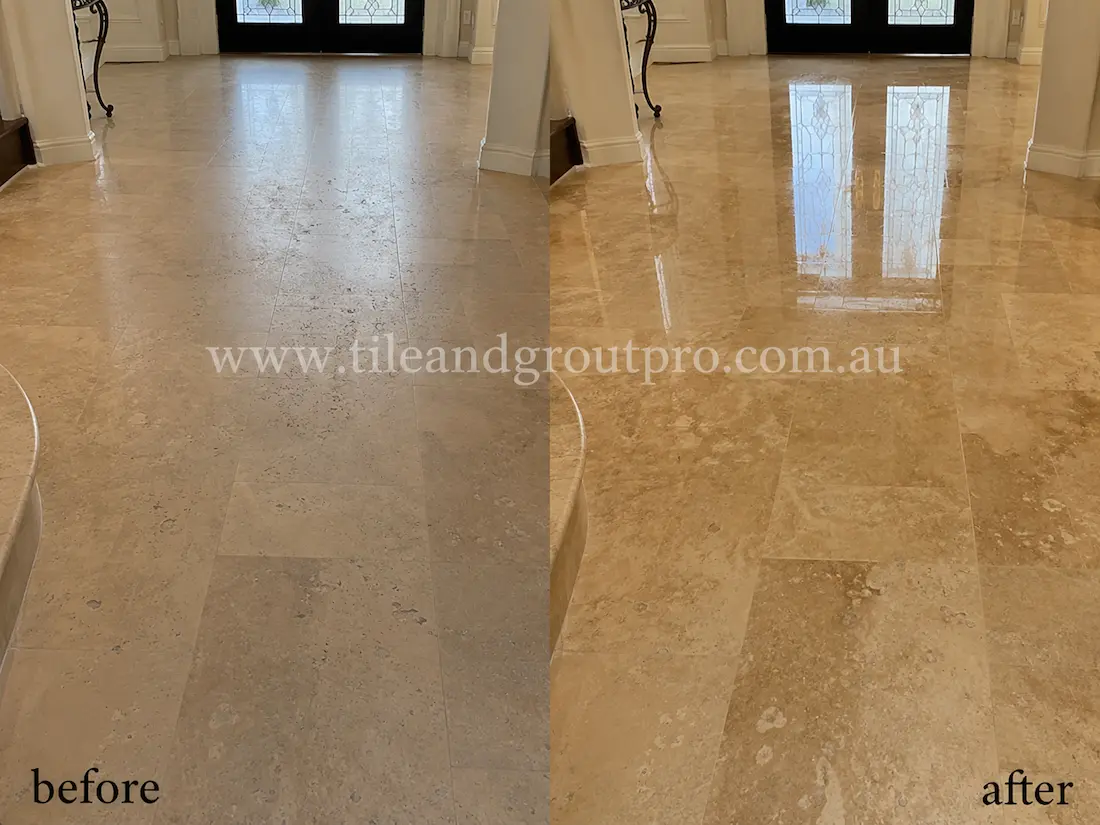
Different materials respond very differently to polishing. Some will take a higher polish more readily, while others are better suited to softer or more natural finish levels. Some areas need a more understated, lower-sheen result for practicality, while others justify a brighter, more reflective finish because the goal is luxury presentation or maximum visual lift. That is why our polishing process is always tailored to the material, the site and the client’s preferred outcome.
A premium polished finish usually requires multiple pad, abrasive and refinement stages. Skipping stages is exactly what causes haze, dull patches, uneven gloss and visible swirl marks. Our process control is what allows us to offer anything from a subtle refined sheen to a rich high-gloss or mirror-style finish where the material allows it. This is also why clients rely on us when they want their travertine to look genuinely high-end rather than just temporarily shiny.
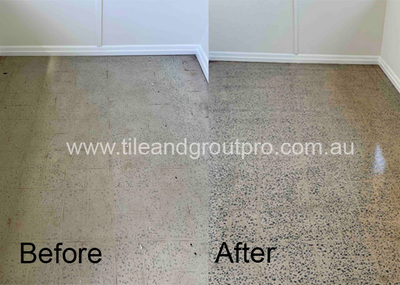
Professional polishing is about much more than adding shine. Done properly, it can make the surface look brighter, richer, cleaner and dramatically more expensive, improve first impressions, lift the presentation of kitchens, bathrooms, living areas, foyers and commercial interiors, and make older surfaces look dramatically newer without the cost of replacement. We use specialist machinery, professional abrasives and proven systems to deliver the finish level that best suits the surface and the client’s expectations.
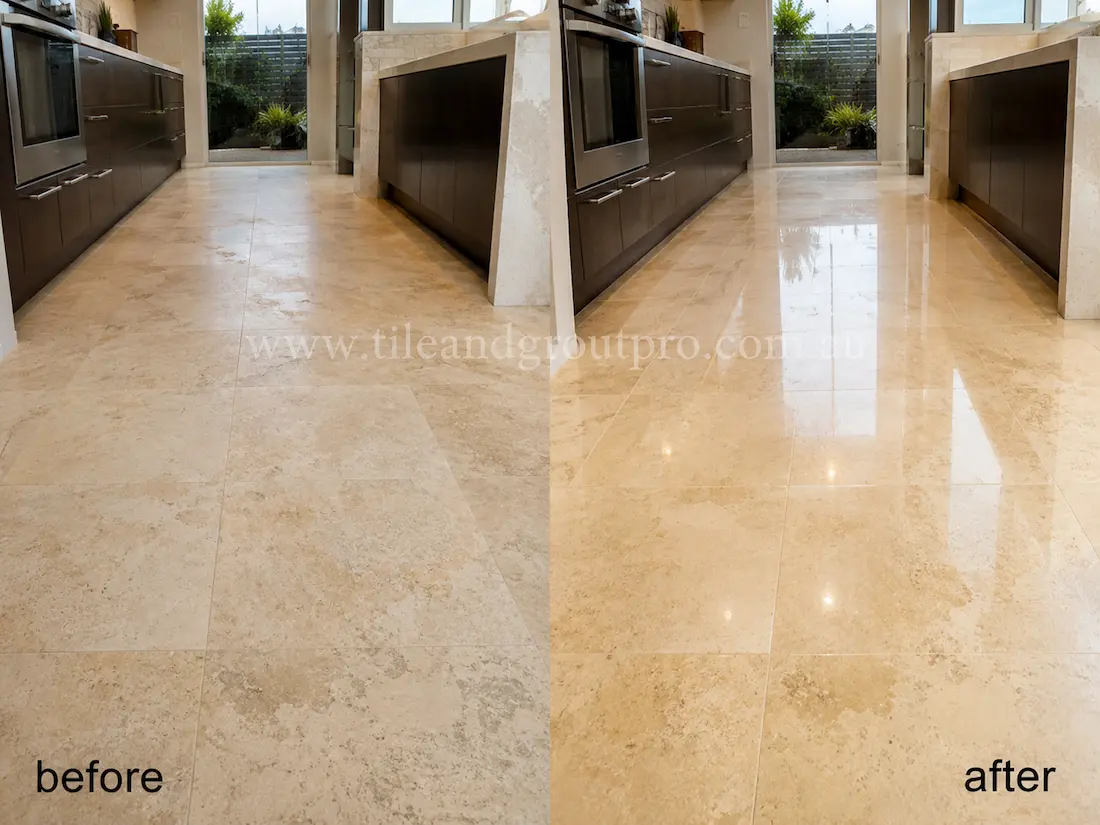
Tools, pads and equipment used for professional polishing
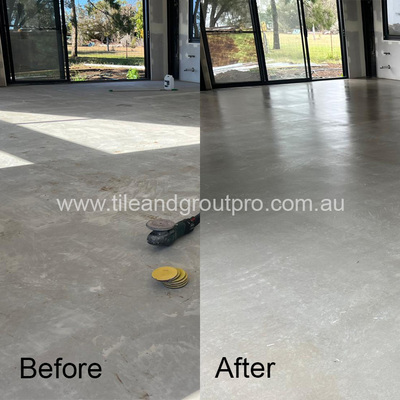
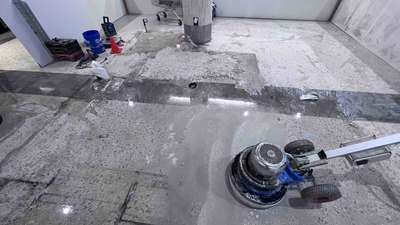
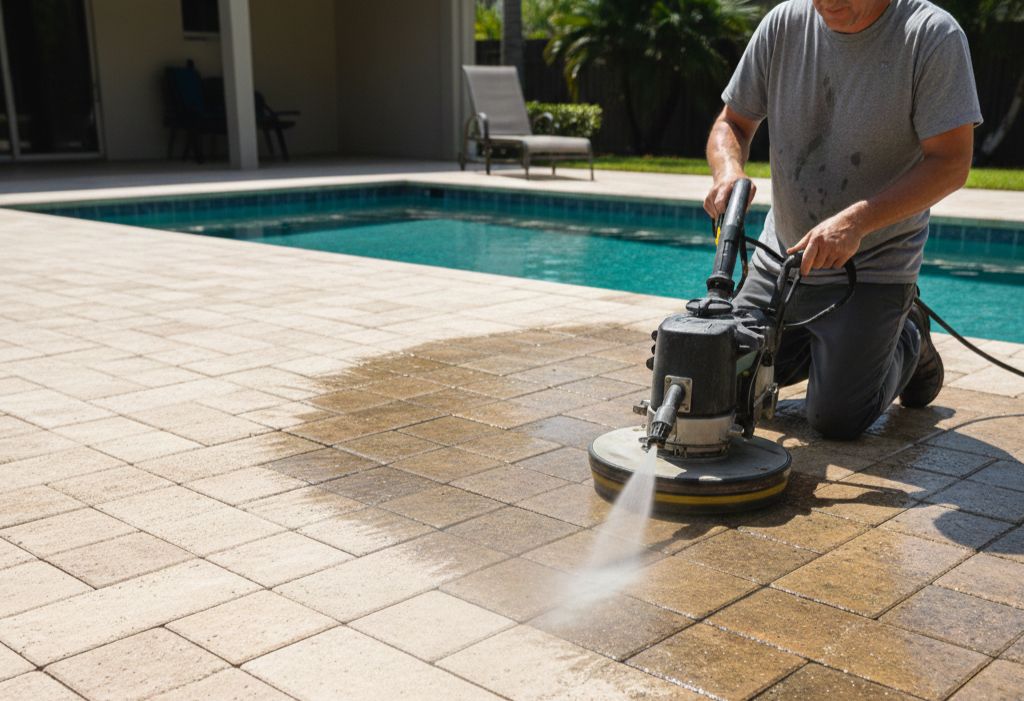
Professional polishing can involve planetary grinders or polishers, edge grinders, hand-held polishers, detail tools for corners and tight edges, floor machines, hybrid abrasives, resin bond pads, high-grit polishing pads, polishing powders or compounds where appropriate, burnishing systems in selected situations, plus slurry control, vacuum recovery, dust management and site protection. On many jobs we may move through numerous pad and abrasive stages because each stage has a specific purpose. One stage prepares the surface, the next refines it, the next improves clarity, and the next develops the final finish. That staged approach is what separates true finish refinement from rushed polishing that looks impressive for a moment but leaves swirl marks, cloudy areas or uneven shine once the light hits it properly.
Tool and pad choice changes depending on the density of the surface, the depth of the existing wear, whether we are dealing with broad open floors or edge detail, and whether the client wants a natural refined finish, a stronger gloss or a more premium mirror-style presentation. Harder materials often need different tooling and more disciplined progression to reach a premium finish, while softer or more porous materials need better control so they are not overworked. This is also why clients trust us for higher-value surfaces: we have the machinery, abrasives, process control and experience to deliver consistent premium results rather than leaving the floor patchy, dull or over-polished in one area and under-finished in another.
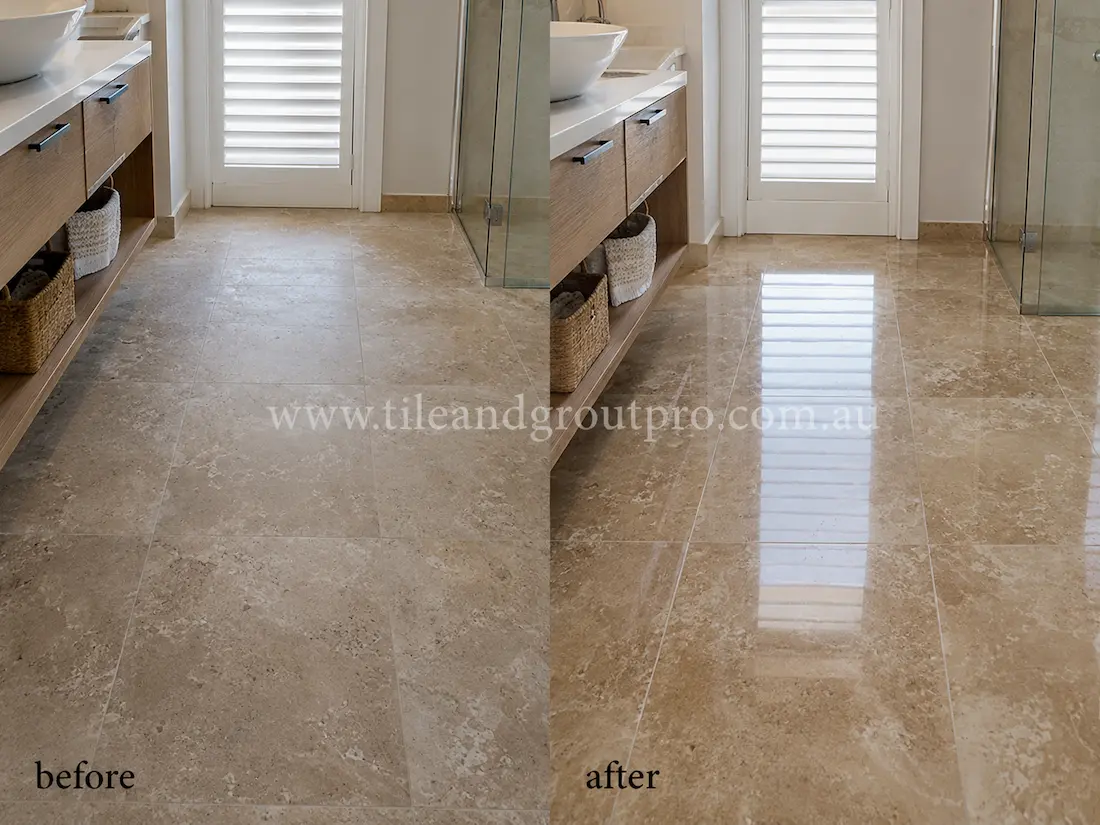
Different finishes, colours and material variations
Travertine does not behave like a single generic product. We look at finish type, density, porosity, colour, age, wear history, prior sealers, repair history and the practical use of the area before deciding how far polishing should go. We also explain the real difference between a natural refined finish, a low-sheen finish, a soft sheen, a satin finish, a semi-gloss finish, a strong gloss and a more mirror-style result. Some finish levels are better for prestige interiors and dramatic visual impact. Others are better for easier maintenance, more forgiving day-to-day use and a quieter architectural look. We help clients understand which options are more subtle, which are more reflective, which are better for homes, which can suit commercial spaces and when a honed finish may be more appropriate than a full polish.
That level of guidance is part of the value we bring. We do not just polish surfaces; we help clients choose the most suitable finish for presentation, practicality, safety and maintenance. That is why people also compare Travertine cleaning, Travertine renewal, Travertine repairing, Travertine regrouting, Travertine sealing and stone honing before settling on the final polishing outcome. Our advice is based on what will actually make the area look and perform better, not just what sounds impressive on paper.
Why experience matters for travertine polishing in Kingston
Polishing is one of the most visually rewarding services when it is done properly and one of the easiest to get wrong when it is not. The customer benefit is not just “more shine.” Good polishing can make a surface look brighter, richer, cleaner, more luxurious and dramatically newer without the cost and disruption of replacement. It can improve first impressions, lift kitchens, bathrooms, foyers, living areas, offices, lobbies and retail spaces, and make premium surfaces reflect light in a way that gives the whole property a more refined feel. That kind of finish is difficult to achieve with DIY products or rushed contractor work because the final result depends on disciplined preparation, correct abrasive progression, strong edge work, accurate finish matching and realistic advice about what the material will and will not do.
We have years and years of hands-on experience across stone and hard-surface polishing, and we know how to deliver anything from a softer natural sheen to a brighter high-gloss or mirror-style finish where the material allows it. We also know when polishing is the right pathway, when honing is smarter, when grinding is needed first, and when broader resurfacing or restoration will produce a better long-term result. That means clients get expert guidance, not guesswork. When people want a surface to look genuinely premium rather than just temporarily shiny, they come to us because we understand the finish levels, the machinery, the pad systems, the material behaviour and the final presentation standards required to make the investment worthwhile.
Sealing after polishing and the best sealer options
Many freshly polished porous surfaces benefit from sealing after polishing. In most situations we recommend a quality penetrating / impregnating sealer rather than a problematic topical coating, because it protects below the surface, helps preserve the finish without creating an unwanted film and keeps the result more natural and breathable. We strongly recommend Deepshield GOLD Transparent Penetrating Sealer, Deepshield Transparent Penetrating Sealer and, where colour enhancement is desired and appropriate, Deepshield Colour Enhancing Penetrating Sealer. For this surface type, we also like pointing clients to the most relevant Deepshield guidance here: best Deepshield sealer guidance for travertine surfaces. GOLD is often the premium choice where maximum stain resistance or denser / highly finished surfaces are involved, Transparent is excellent where a natural look is preferred, and Colour Enhancing is the right conversation when the client wants richer colour rather than a fully unchanged appearance. We also help clients choose between a more natural protected look and a richer enhanced look after polishing, depending on the surface type, desired finish, maintenance goals and whether they want the material to stay subtle or appear deeper and more colour-enhanced.
Related services for the same surface and other polishable surfaces
Clients often pair polishing with Travertine honing, Travertine grinding, Travertine resurfacing, Travertine sealing, Travertine restoration, Travertine cleaning and broader surface polishing services when they are comparing the best pathway for the same floor or wall area.
We also encourage readers comparing materials to review bluestone polishing, concrete polishing, granite polishing, limestone polishing, marble polishing, porcelain polishing, quartzite polishing, sandstone polishing, slate polishing, soapstone polishing and terrazzo polishing so they can understand how different natural stone, tile and concrete surfaces respond to polishing, finish correction, shine restoration and post-polishing sealing.
Call us now for your free quote, or enquire with us online and we will call you back as soon as we can. Feel free to call us any time on 1300 880 703, at Tile and Grout Pro we provide our services after hours for your convenience.
Our Services
Professional tile cleaning, sealing, and restoration services for all types of surfaces
We provide specialised cleaning & sealing solutions for all types of floor and wall tiles
To schedule your appointment or to obtain a free estimate, please Call 1300 880 703 or use our online enquiry form.

Marble
- Marble Cleaning in Kingston
- Marble Sealing in Kingston
- Marble Polishing in Kingston
- Marble Honing in Kingston
- Marble Grinding in Kingston
- Marble Resurfacing in Kingston
- Marble Scratch Removal in Kingston
- Marble Renewal in Kingston
- Marble Regrouting in Kingston
- Marble Repairing in Kingston
- Marble Restoration in Kingston
- Marble Stripping in Kingston

Travertine
- Travertine Cleaning in Kingston
- Travertine Sealing in Kingston
- Travertine Polishing in Kingston
- Travertine Honing in Kingston
- Travertine Grinding in Kingston
- Travertine Resurfacing in Kingston
- Travertine Scratch Removal in Kingston
- Travertine Renewal in Kingston
- Travertine Regrouting in Kingston
- Travertine Repairing in Kingston
- Travertine Restoration in Kingston
- Travertine Stripping in Kingston
Limestone
- Limestone Cleaning in Kingston
- Limestone Sealing in Kingston
- Limestone Polishing in Kingston
- Limestone Honing in Kingston
- Limestone Grinding in Kingston
- Limestone Resurfacing in Kingston
- Limestone Scratch Removal in Kingston
- Limestone Renewal in Kingston
- Limestone Regrouting in Kingston
- Limestone Repairing in Kingston
- Limestone Restoration in Kingston
- Limestone Stripping in Kingston

Granite
- Granite Cleaning in Kingston
- Granite Sealing in Kingston
- Granite Polishing in Kingston
- Granite Honing in Kingston
- Granite Grinding in Kingston
- Granite Resurfacing in Kingston
- Granite Scratch Removal in Kingston
- Granite Renewal in Kingston
- Granite Regrouting in Kingston
- Granite Repairing in Kingston
- Granite Restoration in Kingston
- Granite Stripping in Kingston

Bluestone
- Bluestone Cleaning in Kingston
- Bluestone Sealing in Kingston
- Bluestone Polishing in Kingston
- Bluestone Honing in Kingston
- Bluestone Grinding in Kingston
- Bluestone Resurfacing in Kingston
- Bluestone Scratch Removal in Kingston
- Bluestone Renewal in Kingston
- Bluestone Regrouting in Kingston
- Bluestone Repairing in Kingston
- Bluestone Restoration in Kingston
- Bluestone Stripping in Kingston

Terrazzo
- Terrazzo Cleaning in Kingston
- Terrazzo Sealing in Kingston
- Terrazzo Polishing in Kingston
- Terrazzo Honing in Kingston
- Terrazzo Grinding in Kingston
- Terrazzo Resurfacing in Kingston
- Terrazzo Scratch Removal in Kingston
- Terrazzo Renewal in Kingston
- Terrazzo Regrouting in Kingston
- Terrazzo Repairing in Kingston
- Terrazzo Restoration in Kingston
- Terrazzo Stripping in Kingston


Pavers
- Pavers Cleaning in Kingston
- Brick Pavers Sealing in Kingston
- Concrete Pavers Sealing in Kingston
- Pavers Repairing in Kingston
- Brick Pavers Repairing in Kingston
- Concrete Pavers Repairing in Kingston
- Clay Pavers Repairing in Kingston
- Natural Stone Pavers Repairing in Kingston
- Porcelain Pavers Repairing in Kingston
- Interlocking Pavers Repairing in Kingston
- Brick Pavers Renewal in Kingston
- Concrete Pavers Renewal in Kingston

Sandstone
- Sandstone Cleaning in Kingston
- Sandstone Sealing in Kingston
- Sandstone Polishing in Kingston
- Sandstone Honing in Kingston
- Sandstone Grinding in Kingston
- Sandstone Resurfacing in Kingston
- Sandstone Scratch Removal in Kingston
- Sandstone Renewal in Kingston
- Sandstone Regrouting in Kingston
- Sandstone Repairing in Kingston
- Sandstone Restoration in Kingston
- Sandstone Stripping in Kingston

Slate
- Slate Cleaning in Kingston
- Slate Sealing in Kingston
- Slate Polishing in Kingston
- Slate Honing in Kingston
- Slate Grinding in Kingston
- Slate Resurfacing in Kingston
- Slate Scratch Removal in Kingston
- Slate Renewal in Kingston
- Slate Regrouting in Kingston
- Slate Repairs in Kingston
- Slate Restoration in Kingston
- Slate Stripping in Kingston

Porcelain


Mosaic Tiles

Pressed Floor Tiles


CLEANING
Professional Equipment & Tools
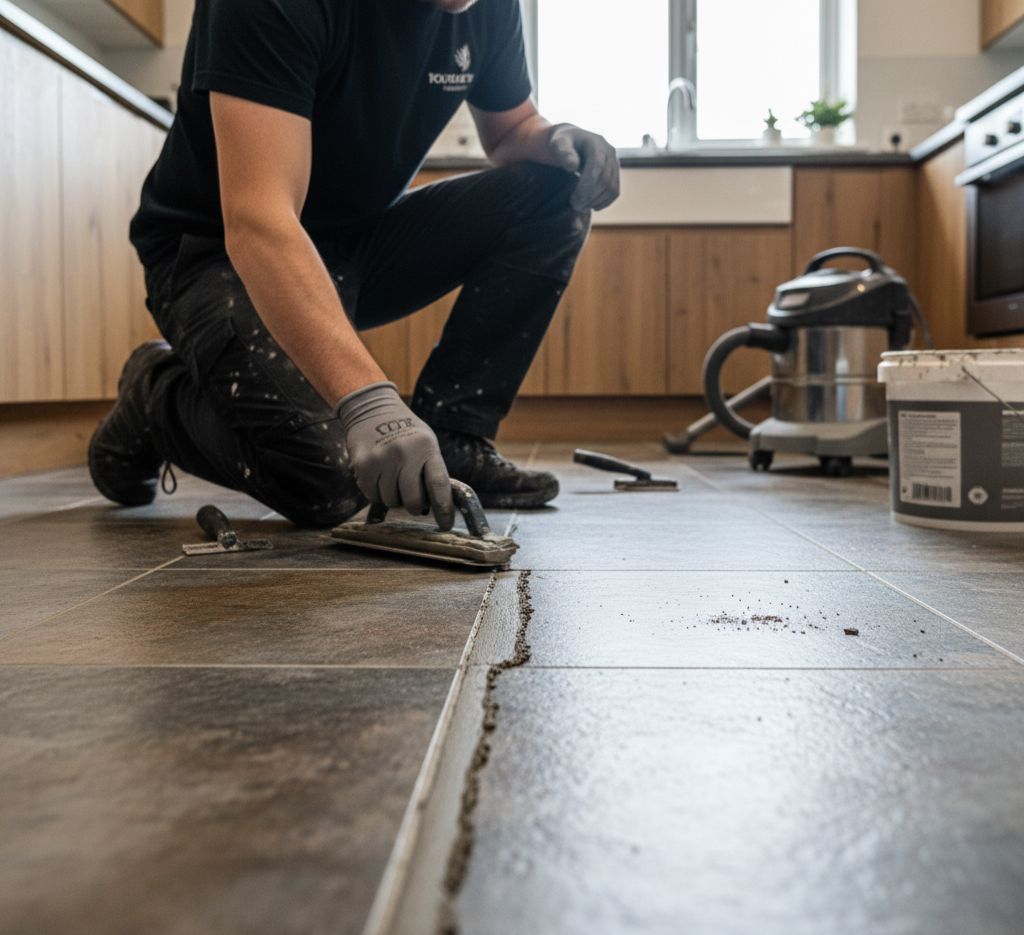
We use commercial-grade machines and specialist tools to deliver deep cleaning and restoration results.


Customer Testimonials
At Tile And Grout Pro, our goal is to be ever-responsive, giving each client personalized service and a beautiful end result.
Outstanding Tile & Grout Transformation
"From the first inspection to the final clean-up, Tile & Grout Pro were professional, responsive, and extremely thorough. Our tiles and grout look better than they did when they were first installed. The team explained the process clearly and delivered an amazing result. We couldn’t be happier and highly recommend their tile and grout cleaning services. "
Grout Colour Sealing Made a Huge Difference
"I never realised how much grout colour sealing could completely transform a floor until Tile & Grout Pro worked their magic. The difference is incredible — our entire home looks brighter and cleaner. The team were knowledgeable, friendly, and clearly take pride in their work. We’ll be recommending Tile & Grout Pro to everyone we know. "
Kitchen Tiles Look Brand New Again
"Our kitchen tiles and grout were years old and extremely dirty. We tried everything, but nothing worked. Tile & Grout Pro cleaned and restored them, and the result is unbelievable — it honestly looks like a brand new floor. Their professionalism and attention to detail really stood out. "
Professional Bathroom Regrouting & Mould Removal
"We had badly stained grout, mould issues, and cracked silicone in our bathroom. Tile & Grout Pro regrouted the shower, replaced the silicone joints, and treated the mould. The bathroom now looks fresh, hygienic, and modern again. Excellent workmanship and great customer service. "
"Tile & Grout Pro restored our natural stone floors through grinding, honing, and polishing, and the results are stunning. The floors have a beautiful, even finish and look brand new. The team were punctual, respectful, and clearly experts in stone restoration. Worth every cent. "
Reliable, Honest & High-Quality Work
"We’ve used Tile & Grout Pro for tile cleaning, sealing, and ongoing maintenance, and they’ve been outstanding every time. Their attention to detail, honest advice, and high-quality results set them apart from other companies. If you want your tiles properly restored, this is the team to call. "